


Natural Resources
Conservation Service
Ecological site R028AB221UT
Semidesert Loam (Basin Big Sagebrush) South
Last updated: 6/12/2025
Accessed: 04/05/2026
General information
Provisional. A provisional ecological site description has undergone quality control and quality assurance review. It contains a working state and transition model and enough information to identify the ecological site.
MLRA notes
Major Land Resource Area (MLRA): 028A–Ancient Lake Bonneville
MLRA 28A occurs in Utah (82 percent), Nevada (16 percent), and Idaho (2 percent). It encompasses approximately 36,775 square miles (95,246 square kilometers). A large area west and southwest of Great Salt Lake is a salty playa. This area is the farthest eastern extent of the Great Basin Section of the Basin and Range Province of the Intermontane Plateaus. It is an area of nearly level basins between widely separated mountain ranges trending north to south. The basins are bordered by long, gently sloping alluvial fans. The mountains are uplifted fault blocks with steep side slopes. Most of the valleys are closed basins containing sinks or playa lakes. Elevation ranges from 3,950 to 6,560 feet (1,204 to 2000 meters) in the basins and from 6,560 to 11,150 feet (1996 to 3398 meters) in the mountains. Much of the MLRA has alluvial valley fill and playa lakebed deposits at the surface from pluvial Lake Bonneville, which dominated this MLRA 13,000 years ago. A level line of remnant lake terraces on some mountain slopes indicates the former extent of this glacial lake. The Great Salt Lake is what remains of the pluvial lake.
Mountains in the interior of this MLRA consist of tilted blocks of marine sediments from Cambrian to Mississippian age with scattered outcrops of Tertiary continental sediments and volcanic rocks. The average annual precipitation is 5 to 12 inches (13 to 30 cm) in the valleys and ranges up to 49 inches (124 cm) in the mountains. Most of the rainfall in the southern LRU occurs as high-intensity, convective thunderstorms during the growing season (April through September). The driest period is from midsummer to early autumn in the northern LRU. Precipitation in winter typically occurs as snow. The average annual temperature is 39 to 53 °F (4 to 12 °C). The freeze-free period averages 165 days and ranges from 110 to 215 days, decreasing in length with increasing elevation. The dominant soil orders in this MLRA are Aridisols, Entisols, and Mollisols. Soils are dominantly in the mesic or frigid soil temperature regime, aridic or xeric soil moisture regime, and mixed mineralogy. The soils are generally well drained, loamy or loamy-skeletal, and very deep.
ogy. They generally are well drained, loamy or loamy-skeletal, and very deep.
LRU notes
The Basin and Range South LRU has mountain ranges that are about 40 percent sedimentary/metasedimentary (limestone/quartzite dominant) and about 40 percent Tertiary volcanics. The basin floors are generally higher in the southern LRU than in the north LRU between 4,900 and 6,100 feet (1,493 to 1,859 meters) in elevation. The Basin and Range South LRU also exhibits patterns of summers with a greater relative amount of precipitation in July and August coming from convective storms (ustic trending pattern). Pinyon and juniper ecological sites have a great percentage of pinyon pine (Pinus edulis or monophylla) than Utah juniper (Juniperus osteosperma), with pinyon pine up to 50 percent of the tree composition in the semidesert zones and more than 50 percent in upland zones. Warm season grasses, such as James’ galleta (Pleuraphis jamesii) or blue grama (Bouteloua gracilis), are present within the plant community, and can make up a large portion of the subdominant grass composition. Bristlecone pine (Pinus longaeva) and cliffrose (Purshia sp.) are also present and dominant on some ecological sites in the southern LRU, while they are sparse or absent in the northern LRU.
Classification relationships
MLRA: 28A Great Salt Lake Area LRU: Basin and Range South Ecological Zone: Semidesert Ecological Site: Semidesert Loam (Basin Big Sagebrush)
EPA Ecoregions: North American Deserts Cold Deserts Central Basin and Range Shadscale-Dominated Saline Basins, Sagebrush Basins and Slopes, Woodland- and Shrub-Covered Low Mountains
Ecological site concept
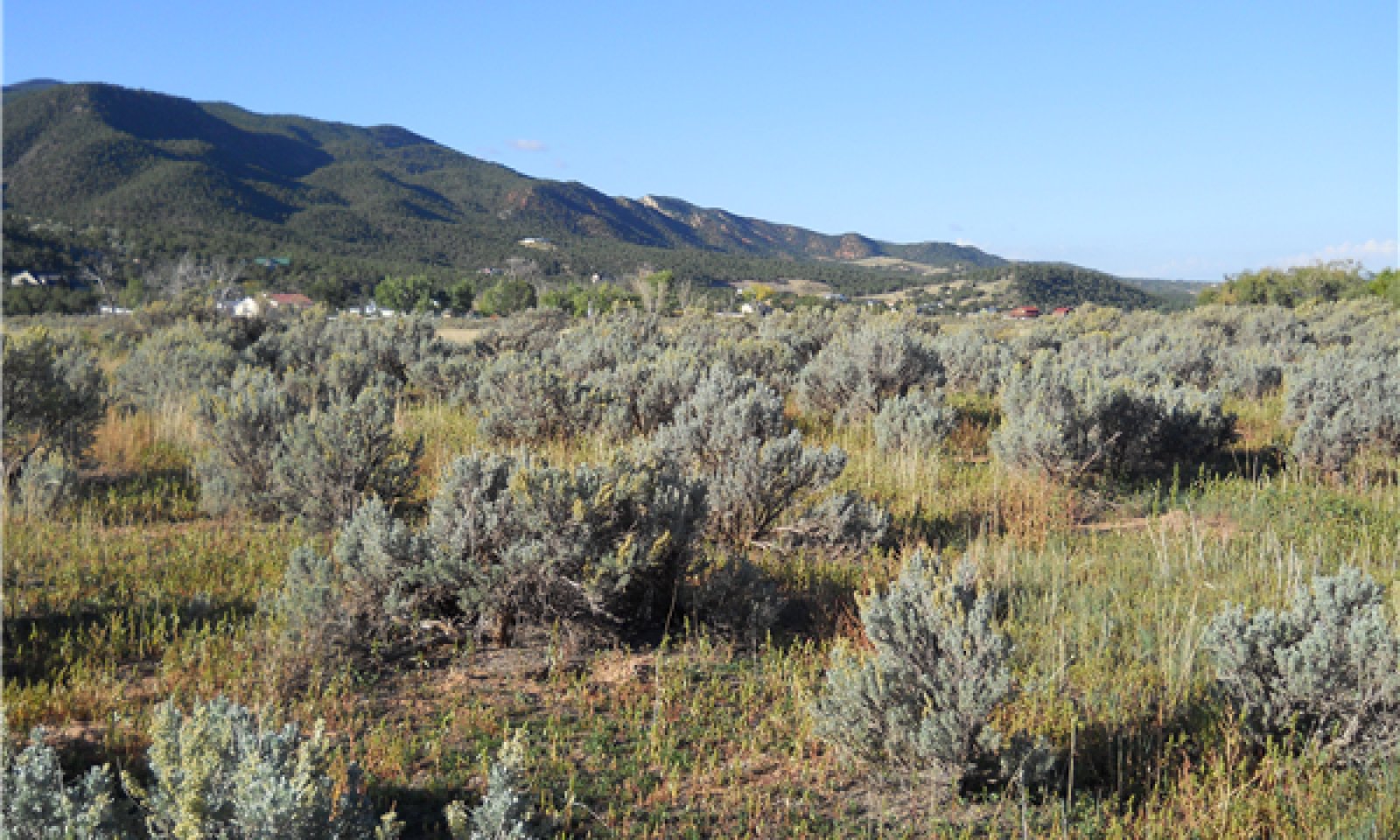
The Semidesert Loam (Basin Big Sagebrush) South site occurs on alluvial flats and fans. It can be found adjacent to Loamy Bottom ecological sites but it not located in a valley bottom position or does not receive extra water, like a run-in site. The soils typically found on this site are entisols and not mollisols like is found in the Loamy Bottom site. Dominated by basin big sagebrush (Artemisia tridentata subsp. tridentata) and squirreltail (Elymus elymoides), not basin wildrye (Leymus cinereus) as in the Loamy Bottom site. This ecological site is often converted to cropland.
Associated sites
| R028AY124UT |
Desert Loam (Shadscale) This site is typically found down slope from the Semidesert Loam site. |
|---|---|
| R028AY220UT |
Semidesert Loam (Wyoming Big Sagebrush) This site is typically found upslope from the Semidesert Loam site. |
Similar sites
| R028AA221UT |
Semidesert Loam (Basin Big Sagebrush) This site occurs in the northern Basin and Range LRU and will not have as much influence from summer convective storms and will have little to no warm season grasses in the community. |
|---|
Table 1. Dominant plant species
| Tree |
Not specified |
|---|---|
| Shrub |
(1) Artemisia tridentata subsp. tridentata |
| Herbaceous |
Not specified |

Physiographic features
The Semidesert Loam (Basin Big Sagebrush) South site occurs on alluvial flats, fans and stream terraces. The site has a gentle slope between 0 and 5 percent. It occurs at elevations typically between 5,100 and 6,000 feet. Flooding and ponding do not occur on this site. This site may occur adjacent to a bottom site.
Table 2. Representative physiographic features
| Landforms |
(1)
Alluvial fan
(2) Alluvial flat (3) Stream terrace |
|---|---|
| Flooding frequency | None |
| Ponding frequency | None |
| Elevation | 5,100 – 6,000 ft |
| Slope | 1 – 5% |
Climatic features
The climate is characterized by cold snowy winters and warm dry summers. The average annual precipitation is between 11 and 12 inches. March through May are typically the wettest months while June and July are the driest months. This site typically receives some moisture from summer convective thunderstorms.
Table 3. Representative climatic features
| Frost-free period (characteristic range) | 99-103 days |
|---|---|
| Freeze-free period (characteristic range) | 132-139 days |
| Precipitation total (characteristic range) | 12 in |
| Frost-free period (actual range) | 98-104 days |
| Freeze-free period (actual range) | 130-141 days |
| Precipitation total (actual range) | 11-12 in |
| Frost-free period (average) | 101 days |
| Freeze-free period (average) | 136 days |
| Precipitation total (average) | 12 in |
Figure 1. Monthly precipitation range
Figure 2. Monthly minimum temperature range
Figure 3. Monthly maximum temperature range
Figure 4. Monthly average minimum and maximum temperature
Figure 5. Annual precipitation pattern
Figure 6. Annual average temperature pattern
Climate stations used
-
(1) CEDAR CITY MUNI AP [USW00093129], Cedar City, UT
-
(2) PAROWAN [USC00426686], Parowan, UT
Influencing water features
Soil features
The soils were formed in alluvium derived from limestone, sandstone, and shale. The soil is well drained with moderate permeability. The soil is typically deep, greater than 60 inches to bedrock. The surface soil texture is loam, clay loam, silty clay loam or silt loam. Surface and subsurface rocks are less than 5 oercent. The available water capacity is 5 to 8 and the pH is 7.9 to 8.4. The soil temperature regime is mesic.
This site will need to have the soil components that are located in the Basin and Range South separated into the new R028AB221UT-south site (see table below):
Millard County, Utah, Eastern Part: Firmage, Wales
Beaver County, Utah, Western Park (UT626): Ashdown (107), Jigsaw (107)
Beaver County Area (UT628): Christainburg (CaA), Genola (134, 163, 220), Jura (155, 156, 175), Kapture (158, 159, 190, 191, 197, 206), Mayfield (158), Quaker (173, 187, 220), Rapho (173, 188, 201, 204, 205), Redfield (190, 191, 192), Redview (192, VbA), Wales (162, 170, 215, 216, 220, 221, 222), Woodrow (123)
Loa-Marysvale Area (UT629): Circlevalley (UhA), Mosida (UkC)
Iron-Washington Area, Utah (UT634): Ashdown (307), Braffits (333), Calcross (342), Jigsaw (393), Quichipa (455), Soutin (483)
Dixie National Forest (UT646): Braffits (I333)
Table 4. Representative soil features
| Parent material |
(1)
Alluvium
–
limestone, sandstone, and shale
|
|---|---|
| Surface texture |
(1) Loam (2) Clay loam (3) Silty clay loam |
| Drainage class | Well drained |
| Permeability class | Moderately slow to moderate |
| Soil depth | 60 in |
| Surface fragment cover <=3" | Not specified |
| Surface fragment cover >3" | Not specified |
| Available water capacity (0-40in) |
5.2 – 7.9 in |
| Calcium carbonate equivalent (0-40in) |
45% |
| Electrical conductivity (0-40in) |
4 mmhos/cm |
| Sodium adsorption ratio (0-40in) |
5 |
| Soil reaction (1:1 water) (0-40in) |
7.9 – 8.4 |
| Subsurface fragment volume <=3" (Depth not specified) |
Not specified |
| Subsurface fragment volume >3" (Depth not specified) |
Not specified |
Ecological dynamics
As ecological condition deteriorates due to overgrazing, squirreltail, Nevada bluegrass, and Indian ricegrass decrease, while basin big sagebrush, low rabbitbrush and annual forbs increase.
When the potential natural plant community is burned, basin big sagebrush, squirreltail, and Indian ricegrass decrease while low rabbitbrush and annual forbs increase.
Halogeton and cheatgrass are most likely to invade this site.
State and transition model
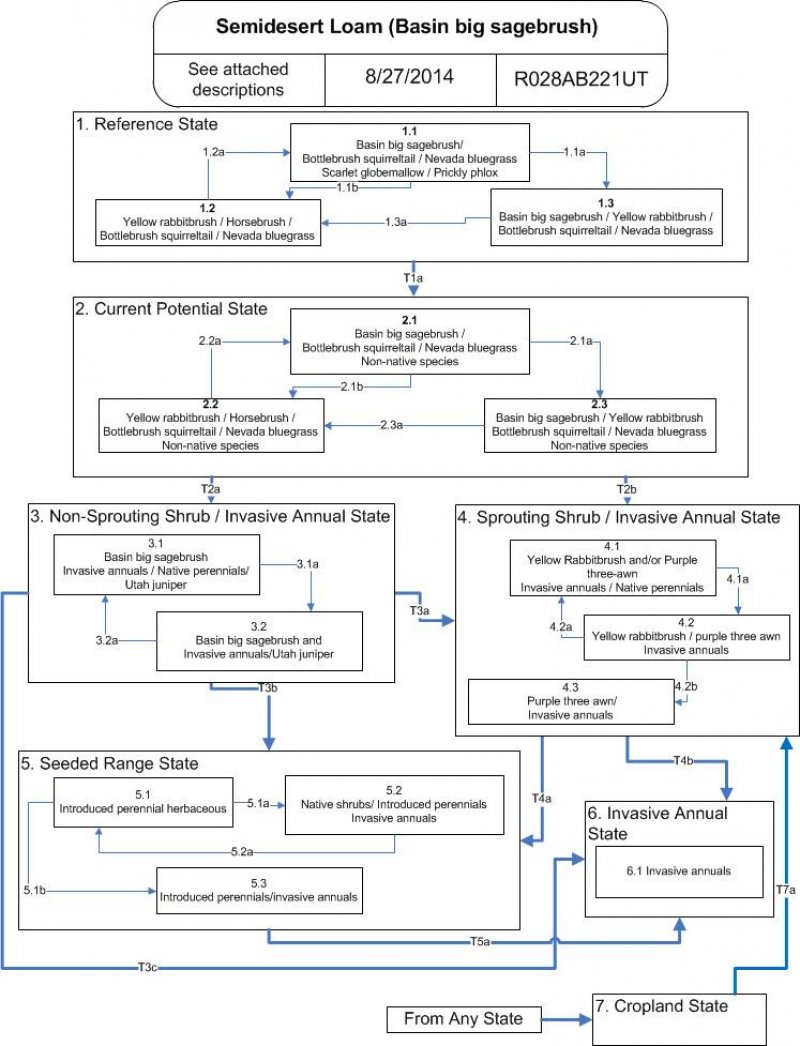
More interactive model formats are also available.
View Interactive Models
More interactive model formats are also available.
View Interactive Models
Click on state and transition labels to scroll to the respective text
Ecosystem states
States 1, 7 and 2 (additional transitions)
States 3, 7 and 4 (additional transitions)
State 2 submodel, plant communities
State 3 submodel, plant communities
State 6 submodel, plant communities
State 7 submodel, plant communities
State 1
Reference State
The Reference State is influenced by the interaction of fire and vegetation. Basin big sagebrush typically dominates the site with scattered bunchgrasses. When this community burns, basin big sagebrush, squirreltail and Indian ricegrass decrease while more fire tolerant shrubs temporarily increase. If fire is excluded from this system for a number of year, basin big sagebrush returns as the dominant shrub.
Community 1.1
Basin Big Sagebrush/Bottlebrush Squirreltail/Nevada bluegrass/Scarlet Globemallow/Prickly phlox
This community is dominated by Basin big sagebrush. Bottlebrush squirreltail dominates the herbaceous layer with significant amounts of Nevada bluegrass and Indian ricegrass commonly present. Typical forbs include scarlet globemallow and prickly phlox. Shadscale and yellow rabbitbrush are other important shrubs. Percent composition by air-dry weight is 40 percent grass, 10 percent forbs, and 50 percent shrubs. Natural fire frequency is estimated to be 40 to 50 years.
Figure 7. Annual production by plant type (representative values) or group (midpoint values)
Table 5. Annual production by plant type
| Plant type | Low (lb/acre) |
Representative value (lb/acre) |
High (lb/acre) |
|---|---|---|---|
| Shrub/Vine | 275 | 438 | 550 |
| Grass/Grasslike | 220 | 350 | 440 |
| Forb | 55 | 88 | 110 |
| Total | 550 | 876 | 1100 |
Table 6. Ground cover
| Tree foliar cover | 0% |
|---|---|
| Shrub/vine/liana foliar cover | 15-40% |
| Grass/grasslike foliar cover | 10-30% |
| Forb foliar cover | 3-5% |
| Non-vascular plants | 0% |
| Biological crusts | 0% |
| Litter | 0% |
| Surface fragments >0.25" and <=3" | 0% |
| Surface fragments >3" | 0% |
| Bedrock | 0% |
| Water | 0% |
| Bare ground | 0% |
Table 7. Canopy structure (% cover)
| Height Above Ground (ft) | Tree | Shrub/Vine | Grass/ Grasslike |
Forb |
|---|---|---|---|---|
| <0.5 | – | – | – | – |
| >0.5 <= 1 | – | – | 25-35% | 0-10% |
| >1 <= 2 | – | – | – | – |
| >2 <= 4.5 | – | 35-45% | – | – |
| >4.5 <= 13 | – | – | – | – |
| >13 <= 40 | – | – | – | – |
| >40 <= 80 | – | – | – | – |
| >80 <= 120 | – | – | – | – |
| >120 | – | – | – | – |
Figure 8. Plant community growth curve (percent production by month). UT2211, PNC. Excellent Condition.
| Jan | Feb | Mar | Apr | May | Jun | Jul | Aug | Sep | Oct | Nov | Dec |
|---|---|---|---|---|---|---|---|---|---|---|---|
| J | F | M | A | M | J | J | A | S | O | N | D |
| 0 | 0 | 5 | 15 | 40 | 30 | 5 | 5 | 0 | 0 | 0 | 0 |
Community 1.2
Yellow Rabbitbrush/Horsebrush/Bottlebrush squirreltail/Nevada bluegrass
Basin big sagebrush decreases significantly in the community after a fire. Yellow rabbitbrush and smooth horsebrush increase and much of the excess fine fuel accumulation are removed. Bottlebrush squirreltail, Nevada bluegrass, Indian ricegrass, and other cool-season grasses flourish. Fire tolerant shrubs may persist as dominants in the community for 30 years. Percent composition by air-dry weight is 50 percent grass, 15 percent forbs, and 35 percent shrubs.
Community 1.3
Basin big sagebrush/Yellow rabbitbrush/Bottlebrush squirreltail/Nevada bluegrass
Basin big sagebrush and yellow rabbitbrush increase in percent composition. Shrubs begin showing signs of decadence due to age. Bottlebrush squirreltail, Indian ricegrass, and Nevada bluegrass begin to lose vigor due to increased shrub competition and are becoming dense with old vegetation. Percent composition by air-dry weight is 25 percent grass, 5 percent forbs, and 70 percent shrubs.
Pathway 1.1b
Community 1.1 to 1.2
Recent fire occurrence, 1 to 30 years.
Pathway 1.1a
Community 1.1 to 1.3
Extended period of time without a major disturbance such as fire; insect infestation; or drought. Fire frequency extends well beyond the 40 to 50 year average for the site.
Pathway 1.2a
Community 1.2 to 1.1
Normal fire frequency of 40 to 50 years returns on the site.
Pathway 1.3a
Community 1.3 to 1.2
Recent fire occurrence, 1 to 30 years.
State 2
Current Potential State
Plant communities in the Current Potential State can include native and acclimatized, naturalized and invasive non-native species. This site is irreversibly changed from the Reference State because these non-native species will now remain a permanent part of the community.
Community 2.1
Basin big sagebrush/Bottlebrush squirreltail/Nevada bluegrass/Non-native species
This community is dominated by basin big sagebrush. Bottlebrush squirreltail dominates the herbaceous layer with significant amounts of Nevada bluegrass and Indian ricegrass. Typical forbs include scarlet globemallow and prickly phlox. Shadscale and yellow rabbitbrush are other important shrubs. This community is dominated by native species, but may include acclimatized, naturalized and invasive non-native species. Percent composition by air-dry weight is 40 percent grass, 10 percent forbs, and 50 percent shrubs. Natural fire frequency is estimated to be 40 to 50 years.
Figure 9. Annual production by plant type (representative values) or group (midpoint values)
Community 2.2
Yellow Rabbitbrush/Horsebrush/Bottlebrush squirreltail/Nevada bluegrass/Non-native species
Basin big sagebrush decreases significantly in the community after a fire. Yellow rabbitbrush and smooth horsebrush increase and much of the excess fine fuel accumulation are removed. Bottlebrush squirreltail, Nevada bluegrass, Indian ricegrass, and other cool-season grasses flourish. Fire tolerant shrubs may persist as dominants in the community for 30 years. This community is dominated by native species, but may include acclimatized, naturalized and invasive non-native species. Percent composition by air-dry weight is 50 percent grass, 15 percent forbs, and 35 percent shrubs.
Community 2.3
Basin big sagebrush/Yellow rabbitbrush/Bottlebrush squirreltail/Nevada bluegrass/Non-native species
Basin big sagebrush and yellow rabbitbrush increase in percent composition. Shrubs begin showing signs of decadence due to age. Bottlebrush squirreltail, Indian ricegrass and Nevada bluegrass begin to lose vigor due to increased shrub competition and are becoming dense with old vegetation. This community is dominated by native species, but may include acclimatized, naturalized and invasive non-native species. Percent composition by air-dry weight is 25 percent grass, 5 percent forbs, and 70 percent shrubs.
Pathway 2.1b
Community 2.1 to 2.2
Recent fire occurrence, 1 to 30 years.
Pathway 2.1a
Community 2.1 to 2.3
Improper grazing (including season long, overstocking, wrong season, etc.) and/or drought that remove annual and perennial fine fuels from the site lessening the potential for fire to occur. Fire frequency extends beyond the 40 to 50 year average for the site. Utah juniper may invade the site if a seed source is available.
Pathway 2.2a
Community 2.2 to 2.1
Fire frequency returns to within the normal range for the community, 40 to 50 years.
Pathway 2.3a
Community 2.3 to 2.2
Recent fire occurrence, 1 to 30 years.
State 3
Non-sprouting Shrub/Invasive Annual State
Basin big sagebrush dominates the shrub layer. Winterfat is severely hedged and is dying. Yellow rabbitbrush and shadscale may occur in significant numbers. Remaining bottlebrush squirreltail, Nevada bluegrass, and other perennial herbaceous vegetation are found only in protected locations under shrubs. Invasive, non-native grasses and weeds, including cheatgrass, annual mustards, and redstem storksbill dominate the understory.
Community 3.1
Basin big sagebrush/Invasive annuals/Native perennials
Basin big sagebrush dominates the shrub layer. Winterfat is severely hedged and is dying. Yellow rabbitbrush and shadscale may occur in significant numbers. Remaining Bottlebrush squirreltail, Nevada bluegrass, and other perennial herbaceous vegetation are found only in protected locations under shrubs. Invasive, non-native grasses and weeds, including cheatgrass, annual mustards, and redstem storksbill dominate the understory.
Community 3.2
Basin big sagebrush/Invasive annuals
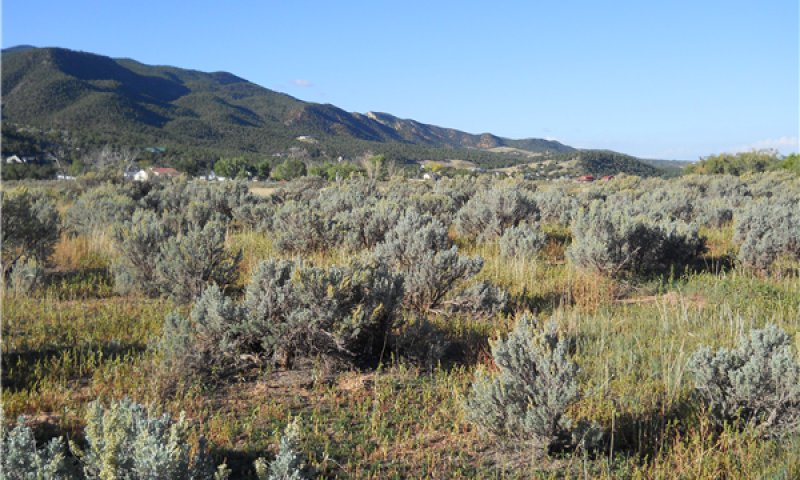
Figure 10. Community Phase 3.2, photo 1, Basin big sagebrush and non-native annuals. Location: Parowan, Utah. Sarah Quistberg, 9/25/2014
Basin big sagebrush decreases dominates the community. Winterfat is not found in this community phase. Remaining perennial herbaceous vegetation is rare and is found only in protected locations under shrubs. Invasive, non-native grasses and weeds including cheatgrass, annual mustards, and redstem storksbill dominate the understory.
Pathway 3.1a
Community 3.1 to 3.2
Long-term improper grazing (including season long, overstocking, wrong season, etc.) and/or drought that remove annual and perennial fine fuels from the site lessening the potential for fire to occur. Fire frequency is greater than 100 years.
Pathway 3.2a
Community 3.2 to 3.1
Site is properly grazed for a significant period of time. Native perennial vegetation begins to recover, but invasive annuals still dominate the understory. Fire frequency is well beyond normal for the community. Fire frequency is greater than 100 years.
State 4
Sprouting Shrub/Invasive Annual State
Yellow rabbitbrush dominates the overstory community. Smooth horsebrush may be plentiful if conditions are right. Fire tolerant shrubs persist as dominants in this community with fire periods occurring at intervals of 10 to 30 years. Broom snakeweed may be an episodic dominant species when conditions are favorable. Bottlebrush squirreltail, Nevada bluegrass and other native bunchgrasses are significantly reduced. Invasive annuals including cheatgrass, annual mustards, and redstem storksbill dominate the understory.
Community 4.1
Yellow rabbitbrush and/or Purple three-awn/Invasive annuals/Native perennials
Yellow rabbitbrush dominates the overstory community. Purple three-awn can become a dominant grass. Smooth horsebrush may be plentiful if conditions are right. Fire tolerant shrubs and grasses (such as purple three-awn) persist as dominants in this community with fire periods reoccurring at intervals of 10 to 30 years. Broom snakeweed may be an episodic dominant species when conditions are favorable. Bottlebrush squirreltail, Nevada bluegrass, and other native bunchgrasses are significantly reduced; invasive annuals including cheatgrass, annual mustards, and redstem storksbill dominate the understory.
Community 4.2
Yellow rabbitbrush/Purple three-awn/Invasive annuals
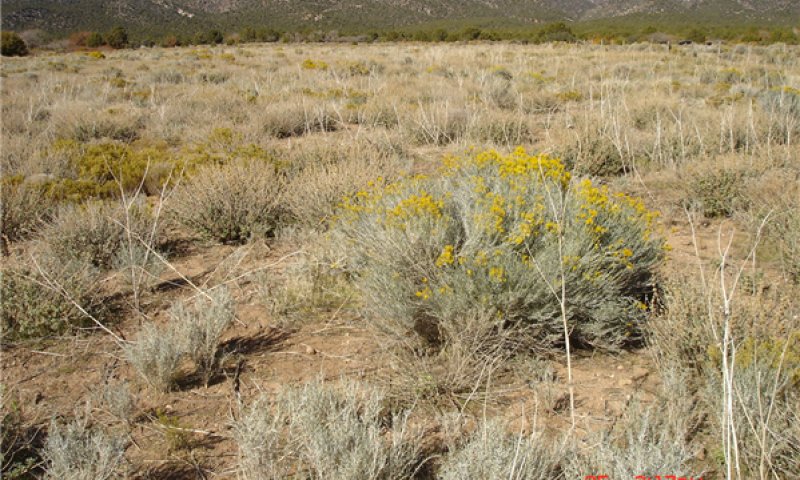
Figure 11. Community Phse 4.2, photo 1, Grey rabbitbrush/Horehound/annual weed field. Location: T38S, R13W, S10, NW1/4 Keith Wadman, 10/25/2006
Yellow rabbitbrush dominates the overstory community and purple three-awn can be the dominant grass. Smooth horsebrush can be plentiful if conditions are right. Fire tolerant shrubs persist as dominants in this community with fire periods reoccurring at intervals of 10 to 30 years. Broom snakeweed may be an episodic dominant species at times when conditions are favorable. Only remnant native bunchgrasses remain; invasive annuals dominate the understory.
Community 4.3
Purple three-awn/Invasive annuals
This community is rare and typically occurs with heavy grazing. Purple threeawn is the dominant grass with red-stem storksbill and cheatgrass.
Pathway 4.1a
Community 4.1 to 4.2
Long-term improper grazing (including season long, overstocking, wrong season, etc.) and/or prolonged drought reduce perennial fine fuels. Fire removes non-sprouting shrubs from the community. Basin big sagebrush is replaced by yellow rabbitbrush and smooth horsebrush. Fire frequency is typically 10 to 30 years.
Pathway 4.2a
Community 4.2 to 4.1
Site is properly grazed for a considerable period of time. Native perennial vegetation is recovering very slowly. Period of fire remains much shorter than normal for the community with fire reoccurring every few years. Fire frequency is typically 10 to 30 years.
Pathway 4.2b
Community 4.2 to 4.3
Site is heavily grazed and burned.
Pathway 4.3a
Community 4.3 to 4.2
Rabbitbrush begins to establish in the site after a fire.
State 5
Seeded Range State
The Seeded Range State is seeded to species that may be composed of introduced, native or combinations of these species. Unwanted trees and/or shrubs are reduced but may occupy a portion of the site because of natural regeneration. Invasive annuals grasses and weedy forb species, primarily cheatgrass and various annual mustards, may be present in the seeding. Well established range seedings may decrease the frequency of fires.
Community 5.1
Introduced Perennial grasses and forbs
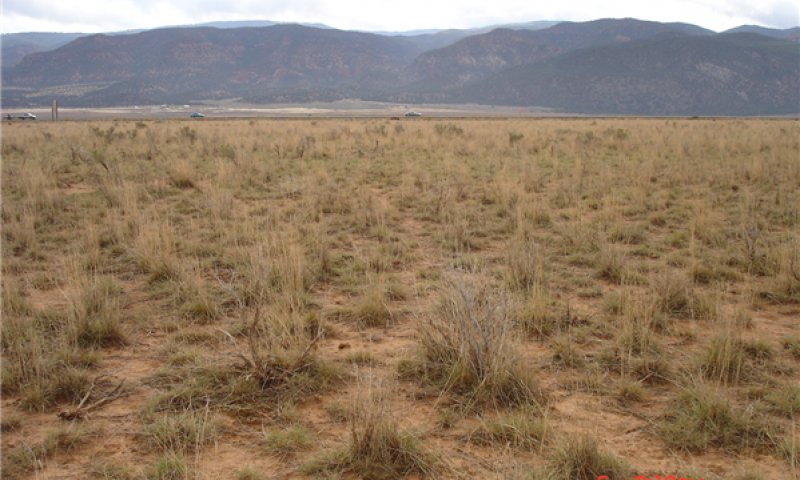
Figure 12. Community Phase 5.1, photo 1: Crested wheatgrass seeding. Seeding appears to be properly utilized. Location: T34S, R9W, S1, SE1/4. Keith Wadman 10/6/2006
Community Phase 5.1 is seeded to rangeland species that may be composed of introduced, native or combinations of these species. Unwanted trees and/or shrubs are reduced but may occupy a portion of the site because of natural regeneration. Invasive annuals grasses and weedy forb species, primarily cheatgrass and various annual mustards, may be present in the seeding. Well established range seedings may decrease the frequency of fires.
Community 5.2
Native shrubs/Introduced perennials/Invasive annuals
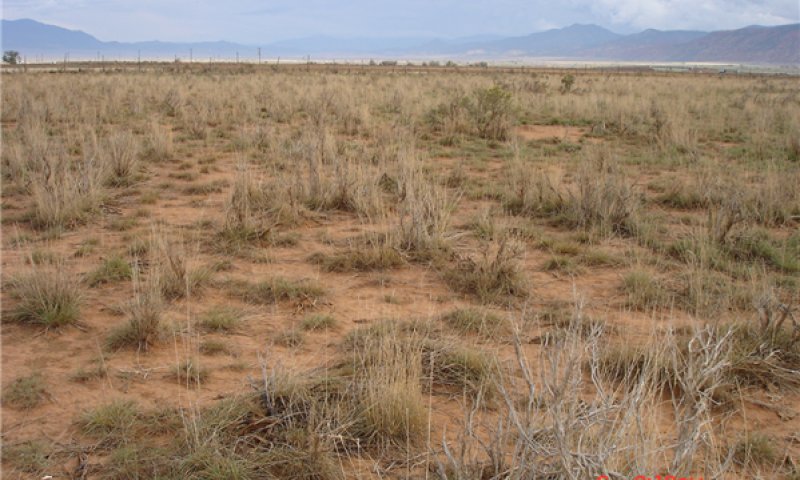
Figure 13. Community Phase 5.2, photo 1: Fair condition crested wheatgrass seeding. Brush is reinvading community. Location: T34, R8W, S1, SE1/4. Keith Wadman 10/6/2006
Community Phase 5.2 is present after either a failed seeding or an improperly grazed one. Site may be herbaceous or may be returning to shrubs. The plant community is primarily composed of invasive annual grasses and weedy forb species, mostly cheatgrass and various annual weedy forbs. Broom snakeweed may be an episodic dominant species when conditions are favorable.
Community 5.3
Introduced perennials/Invasive annuals
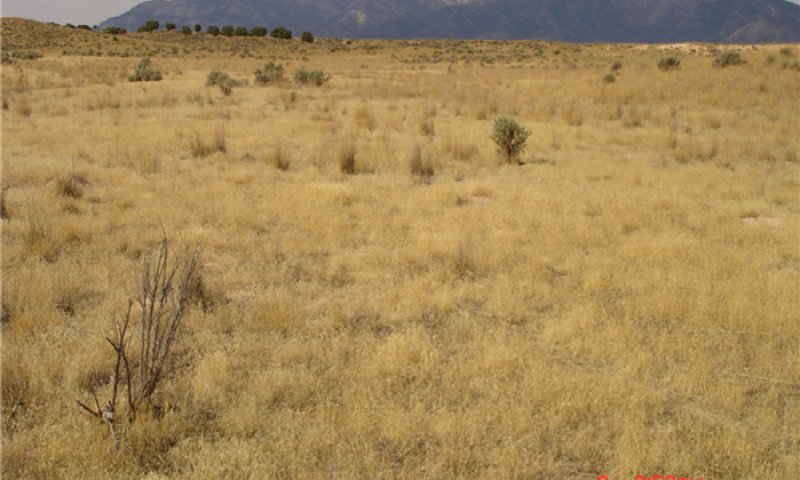
Figure 14. Community Phase 5.3, photo 1: Poor condition crested wheatgrass seeding. Location: T16S, R4W, S3, SE1/4 Keith Wadman, 9/9/2006
Community Phase 5.3 is present after a failed seeding or one that has been improperly grazed. The site is predominantly herbaceous and is primarily composed of invasive annual grasses and annual or perennial forbs.
Pathway 5.1a
Community 5.1 to 5.2
Seeding is not well established; improper grazing (including season long, overstocking, wrong season, etc.) and/or drought reduce any perennial grasses established. Highly combustible fine fuels from invasive annuals shorten the fire frequency. Fire frequency is typically 10 to 30 years.
Pathway 5.1b
Community 5.1 to 5.3
Seeding is not well established, or improper grazing, or drought reduce perennial grass establishment and invasive annuals dominate the interspaces between perennial species.
Pathway 5.2a
Community 5.2 to 5.1
Site receives excellent grazing management over a long period of time. Highly combustible fine fuels from invasive annuals continue to dominate the community resulting in a shortened fire frequency. Fire frequency is typically 10 to 30 years. Seeded perennial vegetation will very slowly recover.
State 6
Invasive Annual State
Invasive annual grasses and forbs dominate the site. Some perennial invasive forbs may be present.
Community 6.1
Invasive annuals
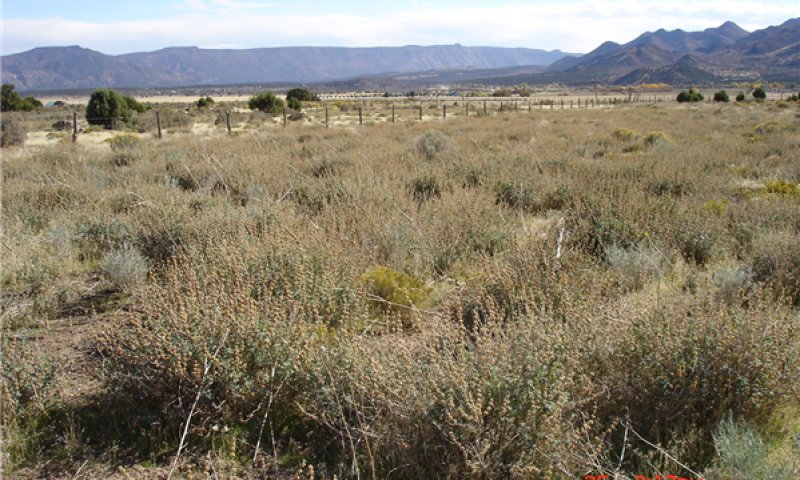
Figure 15. Community Phase 6.1, photo 1: Horehound/annual weed field. Location: T38S, R13W, S10, NW1/4 Keith Wadman, 10/25/2006
Invasive annual grasses and forbs dominate the site. Some perennial invasive forbs may be present.
Figure 16. Annual production by plant type (representative values) or group (midpoint values)
State 7
Cropland State
The Cropland State occurs when the Semidesert Loam Ecological Site is removed and permanently replaced with agricultural crops such as alfalfa and grain. Any state within this site can be converted to cropland.
Community 7.1
Cropland
This phase occurs when the Semidesert Loam ecological site is removed and replaced with agricultural crops such as alfalfa and grain.
Transition T1a
State 1 to 2
Long-term improper grazing (including season long, overstocking, wrong season, etc.) and/or drought that remove fine fuels from the site lessening the potential for fire to occur. This allows both sprouting and non-sprouting shrubs such as basin big sagebrush, yellow rabbitbrush, and horsebrush to increase in the community. Shrubs may become decadent due to age. Bottlebrush squirreltail, Nevada bluegrass and other perennial bunchgrasses lose vigor and decrease in the community due to shrub competition and/or grazing pressure. Utah juniper seedlings and saplings may begin to invade the community if a seed source is available. The threshold is crossed when there is an introduction of non-native species, primarily cheatgrass and various annual mustards, which become established in the community. Prior to crossing the threshold, if this site is properly grazed over an extended period of time, native perennial vegetation may recover. Fire frequency can return to within normal range for the site. These events could set the site back into the normal range of variability.
Transition T1b
State 1 to 7
This transition occur when the site is plowed and planted to crops.
Transition T2a
State 2 to 3
Sustained, long-term improper grazing (including season long, overstocking, wrong season, etc.) and/or prolonged drought; reduced fine fuels resulting in the continued lengthening of fire period resulting in a dense tree and/or shrub over story. There is a reduction of native perennial vegetation and an increase in invasive annual grasses and weedy forb species, primarily cheatgrass and various annual mustards. Utah junipers may increase to occupy a significant portion of the over story, if a seed source is present. Basin big sagebrush dominates the shrub layer and may be decadent due to age. Bottlebrush squirreltail and other perennial bunchgrass species are significantly reduced due to increased shrub competition and/or heavy grazing pressure. The threshold is crossed when invasive annuals such as cheatgrass, annual mustards, and redstem storksbill dominate the understory. The occurrence of fire extends well beyond the normal period for this site.
Transition T2b
State 2 to 4
Long-term improper grazing (including season long, overstocking, wrong season, etc.) and/or prolonged drought; shortened fire frequency allows site to be dominated by sprouting shrubs including yellow rabbitbrush and smooth horsebrush. Bottlebrush squirreltail and other perennial bunchgrass species are significantly reduced due to increased shrub competition and/or heavy grazing pressure. Highly combustible fine fuels from invasive annuals continue to dominate the community. Fire frequency is typically 10 to 30 years or less.
Transition T2c
State 2 to 7
This transition occur when the site is plowed and planted to crops.
Transition T3a
State 3 to 4
Long-term improper grazing (including season long, overstocking, wrong season, etc.) and/or prolonged drought; shortened fire frequency allows site to be dominated by sprouting shrubs such as yellow rabbitbrush; significant reduction of perennial bunchgrass species. Highly combustible fine fuels from invasive annuals continue to dominate the community. Fire frequency is typically 10 to 30 years or less.
Transition T3b
State 3 to 5
Site seeded with non-native perennial grasses and/or native perennial bunch grasses.
Transition T3c
State 3 to 6
Continued improper grazing or increase fire frequency results in annual grasses and forbs to dominate the site.
Transition T3d
State 3 to 7
This transition occur when the site is plowed and planted to crops.
Transition T4a
State 4 to 5
Mechanical and/or chemical treatment with planting to non-native perennial grasses and forbs and/or native perennial grasses and forbs.
Transition T4b
State 4 to 6
Continued improper grazing or increase fire frequency results in annual grasses and forbs to dominate the site.
Transition T4c
State 4 to 7
This transition occur when the site is plowed and planted to crops.
Transition T5a
State 5 to 6
Failed seeding or improper grazing.
Transition T5b
State 5 to 7
This transition occur when the site is plowed and planted to crops.
Transition T6a
State 6 to 7
This transition occur when the site is plowed and planted to crops.
Transition T7a
State 7 to 4
This transition occurs after cropland has been abandoned.
Additional community tables
Table 8. Community 1.1 plant community composition
| Group | Common name | Symbol | Scientific name | Annual production (lb/acre) | Foliar cover (%) | |
|---|---|---|---|---|---|---|
|
Shrub/Vine
|
||||||
| 1 | Primary Shrubs | 342–450 | ||||
| bluebunch wheatgrass | PSSPS | Pseudoroegneria spicata ssp. spicata | 0–45 | – | ||
| needle and thread | HECO26 | Hesperostipa comata | 0–45 | – | ||
| James' galleta | PLJA | Pleuraphis jamesii | 10–40 | – | ||
| sixweeks fescue | VUOC | Vulpia octoflora | 0–5 | – | ||
| 3 | Secondary Shrubs | 27–45 | ||||
|
Grass/Grasslike
|
||||||
| 2 | Primary Grasses | 252–360 | ||||
| western tansymustard | DEPI | Descurainia pinnata | 18–36 | – | ||
| Holboell's rockcress | ARHO2 | Arabis holboellii | 18–36 | – | ||
| manyflower thelypody | THMI5 | Thelypodium milleflorum | 9–27 | – | ||
| phlox | PHLOX | Phlox | 0–10 | – | ||
| scarlet globemallow | SPCO | Sphaeralcea coccinea | 0–10 | – | ||
| aster | SYMPH4 | Symphyotrichum | 0–5 | – | ||
| milkvetch | ASTRA | Astragalus | 0–5 | – | ||
| bastard toadflax | COUM | Comandra umbellata | 0–5 | – | ||
| fleabane | ERIGE2 | Erigeron | 0–5 | – | ||
| buckwheat | ERIOG | Eriogonum | 0–5 | – | ||
| povertyweed | IVAX | Iva axillaris | 0–5 | – | ||
| Bonneville pea | LABR | Lathyrus brachycalyx | 0–5 | – | ||
| beardtongue | PENST | Penstemon | 0–5 | – | ||
| 1 | Secondary Grasses | 27–45 | ||||
| jointfir | EPHED | Ephedra | 0–45 | – | ||
| spineless horsebrush | TECA2 | Tetradymia canescens | 0–15 | – | ||
| shadscale saltbush | ATCO | Atriplex confertifolia | 0–15 | – | ||
| pricklypear | OPUNT | Opuntia | 0–10 | – | ||
|
Forb
|
||||||
| 2 | Forbs | 54–117 | ||||
Table 9. Community 2.1 plant community composition
| Group | Common name | Symbol | Scientific name | Annual production (lb/acre) | Foliar cover (%) | |
|---|---|---|---|---|---|---|
|
Shrub/Vine
|
||||||
| 1 | Primary Shrubs | 342–450 | ||||
| needle and thread | HECO26 | Hesperostipa comata | 0–45 | – | ||
| bluebunch wheatgrass | PSSPS | Pseudoroegneria spicata ssp. spicata | 0–45 | – | ||
| Grass, perennial | 2GP | Grass, perennial | 0–25 | – | ||
| 3 | Secondary Shrubs | 27–45 | ||||
|
Grass/Grasslike
|
||||||
| 2 | Primary Grasses | 252–360 | ||||
| Holboell's rockcress | ARHO2 | Arabis holboellii | 18–36 | – | ||
| western tansymustard | DEPI | Descurainia pinnata | 18–36 | – | ||
| manyflower thelypody | THMI5 | Thelypodium milleflorum | 9–27 | – | ||
| Forb, perennial | 2FP | Forb, perennial | 0–10 | – | ||
| phlox | PHLOX | Phlox | 0–10 | – | ||
| Forb, annual | 2FA | Forb, annual | 0–10 | – | ||
| milkvetch | ASTRA | Astragalus | 0–5 | – | ||
| fleabane | ERIGE2 | Erigeron | 0–5 | – | ||
| buckwheat | ERIOG | Eriogonum | 0–5 | – | ||
| povertyweed | IVAX | Iva axillaris | 0–5 | – | ||
| Bonneville pea | LABR | Lathyrus brachycalyx | 0–5 | – | ||
| beardtongue | PENST | Penstemon | 0–5 | – | ||
| scarlet globemallow | SPCO | Sphaeralcea coccinea | 0–5 | – | ||
| aster | SYMPH4 | Symphyotrichum | 0–5 | – | ||
| Forb, biennial | 2FB | Forb, biennial | 0–2 | – | ||
| 1 | Secondary Grasses | 27–45 | ||||
| shadscale saltbush | ATCO | Atriplex confertifolia | 0–15 | – | ||
| spineless horsebrush | TECA2 | Tetradymia canescens | 0–15 | – | ||
| pricklypear | OPUNT | Opuntia | 0–10 | – | ||
| Shrub (>.5m) | 2SHRUB | Shrub (>.5m) | 0–10 | – | ||
| Subshrub (<.5m) | 2SUBS | Subshrub (<.5m) | 0–10 | – | ||
| 4 | Annual Grass | 5–50 | ||||
|
Forb
|
||||||
| 2 | Forbs | 54–117 | ||||
| cheatgrass | BRTE | Bromus tectorum | 2–50 | – | ||
| Grass, annual | 2GA | Grass, annual | 0–25 | – | ||
Table 10. Community 6.1 plant community composition
| Group | Common name | Symbol | Scientific name | Annual production (lb/acre) | Foliar cover (%) | |
|---|---|---|---|---|---|---|
|
Grass/Grasslike
|
||||||
| 1 | Annual grass | 100–300 | ||||
| Russian thistle | SALSO | Salsola | 0–350 | – | ||
| cheatgrass | BRTE | Bromus tectorum | 100–300 | – | ||
| bulbous bluegrass | POBU | Poa bulbosa | 0–150 | – | ||
| common sunflower | HEAN3 | Helianthus annuus | 0–100 | – | ||
| curveseed butterwort | CETE5 | Ceratocephala testiculata | 0–25 | – | ||
| redstem stork's bill | ERCI6 | Erodium cicutarium | 0–15 | – | ||
|
Forb
|
||||||
| 1 | Annual/biennial Forb | 10–350 | ||||
| field bindweed | COAR4 | Convolvulus arvensis | 0–45 | – | ||
| 2 | Perennial Forb | 0–45 | ||||
Interpretations
Animal community
The Semidesert Loam (Basin Big Sagebrush) South site is suited for grazing by cattle and sheep during fall, winter, and spring.
Wildlife using this site include rabbit, coyote, fox, badger, pronghorn antelope, mule deer, and dove.
This is a short list of the more common species found. Many other species are present as well and migratory birds are present at times.
Hydrological functions
The soils are in hydrologic groups B and C with runoff curves ranging from 61 to 79 and 74 to 86, respectively, depending on hydrologic condition.
Recreational uses
Resources that have special aesthetic and landscape values are wildflowers. Some recreation uses of this site are hiking and horseback riding.
Wood products
None
Supporting information
Type locality
| Location 1: Box Elder County, UT | |
|---|---|
| Township/Range/Section | T13N R11W S15 |
| General legal description | Northeast of Kelton, SE ¼ of Section 15, Township 13N, Range 11W. |
Contributors
David J. Somorville
DJS
Sarah Quistberg
Approval
Kendra Moseley, 6/12/2025
Rangeland health reference sheet
Interpreting Indicators of Rangeland Health is a qualitative assessment protocol used to determine ecosystem condition based on benchmark characteristics described in the Reference Sheet. A suite of 17 (or more) indicators are typically considered in an assessment. The ecological site(s) representative of an assessment location must be known prior to applying the protocol and must be verified based on soils and climate. Current plant community cannot be used to identify the ecological site.
| Author(s)/participant(s) |
Jack Alexander, Range Specialist, Synergy Resource Solutions, Inc. Julia Kluck, Soil Scientist, Synergy Resource Solutions, Inc. Shane Green, State Range Specialist, Utah NRCS |
|---|---|
| Contact for lead author | Shane Green, Shane.Green@ut.usda.gov |
| Date | 02/08/2010 |
| Approved by | Kendra Moseley |
| Approval date | |
| Composition (Indicators 10 and 12) based on | Annual Production |
Indicators
-
Number and extent of rills:
No rills present. Very minor rill development may occur in sparsely vegetated areas. If rills are present, they should be widely spaced and not connected. Rill development may increase following large storm events, but should begin to heal during the following growing season. Frost heaving will accelerate recovery. Rill development may increase when run inflow enters site from adjacent sites that produce large amounts of runoff (i.e. steeper sites, slickrock, rock outcrop). Site is essentially level and rills do not form. -
Presence of water flow patterns:
Water flow patterns will be short (2-5’), narrow (<1’), and meandering; interrupted by plants and exposed rocks. Slight to no evidence of erosion or deposition associated with flow patterns. -
Number and height of erosional pedestals or terracettes:
Plants may have small pedestals (1-3”) where they are adjacent to water flow patterns, but without exposed roots. Terracettes should be few and stable. Terracettes should be small (1-3”) and show little sign of active erosion. Some plants may appear to have a pedestal but rather than be formed by erosion, the only place litter accumulates and soil collects is at plant bases forming the appearance of a pedestal.
Well-developed biological crusts may appear pedestalled, but are actually a characteristic of the crust formation. Some plants may appear to have a pedestal but rather than be formed by erosion, the only place litter accumulates and soil collects is at plant bases forming the appearance of a pedestal. -
Bare ground from Ecological Site Description or other studies (rock, litter, lichen, moss, plant canopy are not bare ground):
30-35% bare ground (soil with no protection from raindrop impact). Herbaceous communities are most likely to have lower values. As species composition by shrubs increases, bare ground is likely to increase. Poorly developed biological soil crust that is susceptible to raindrop splash erosion should be recorded as bare ground. Very few if any bare spaces of greater than 1 square foot. -
Number of gullies and erosion associated with gullies:
No gullies present. -
Extent of wind scoured, blowouts and/or depositional areas:
Very minor evidence of active wind-generated soil movement. Wind scoured (blowouts) and depositional areas are rarely present. If present they have muted features and are mostly stabilized with vegetation and/or biological crust. Gravel or desert pavement protects the site from wind scour. -
Amount of litter movement (describe size and distance expected to travel):
Most litter resides in place with some redistribution caused by water and wind movement. Very minor litter removal may occur in flow patterns and rills with deposition occurring at points of obstruction. The majority of litter accumulates at the base of plants. Some leaves, stems, and small twigs may accumulate in soil depressions adjacent to plants. Woody stems are not likely to move. -
Soil surface (top few mm) resistance to erosion (stability values are averages - most sites will show a range of values):
This site should have an erosion rating of 5 or 6 under plant canopies and a rating of 4 to 5 in the interspaces with an average rating of 5 using the soil stability kit test. -
Soil surface structure and SOM content (include type of structure and A-horizon color and thickness):
This description is based on the modal soil (Ashdown CL, soil survey area: 634, Iron-Washington). This site has 5 correlated soils, resulting in variation of each of these attributes. Unless working on a location with the modal soil, it is critical to supplement this description with the soil-specific information from the published soil survey.
Soil surface horizon is typically 9 inches deep. Structure is typically weak thin platy. Color is typically light brown (7.5YR 6/4), brown (7.5YR 4/3) moist. An ochric horizon extends to a depth of 4 inches. An ochric horizon typically extends to a depth of 2 to 10 inches. The ochric horizon is a surface horizon lacking fine stratification and which is either light colored, or thin, or has an low organic carbon content, or is massive and (very) hard when dry. The A horizon would be expected to be more strongly developed under plant canopies. It is important if you are sampling to observe the A horizon under plant canopies as well as the interspaces.
-
Effect of community phase composition (relative proportion of different functional groups) and spatial distribution on infiltration and runoff:
Bunchgrasses and shrubs equally important for increasing infiltration and reducing runoff. Litter plays a role in increasing infiltration and decreasing runoff. Plants provide microhabitat for seedlings, catch litter and soil, and slow raindrops and runoff. Vascular plants and/or well-developed biological soil crusts (where present) will break raindrop impact and splash erosion. Spatial distribution of vascular plants and interspaces between well-developed biological soil crusts (where present) provide detention storage and surface roughness that slows runoff allowing time for infiltration. Interspaces between plants and any well-developed biological soil crusts (where present) may serve as water flow patterns during episodic runoff events, with natural erosion expected in severe storms. When perennial grasses decrease, reducing ground cover and increasing bare ground, runoff is expected to increase and any associated infiltration reduced. Shrubs catch snow, slow wind evaporation, and provide microhabitat for seedling establishment. -
Presence and thickness of compaction layer (usually none; describe soil profile features which may be mistaken for compaction on this site):
None. Naturally occurring soil horizons may be harder than the surface and should not be considered as compaction layers. -
Functional/Structural Groups (list in order of descending dominance by above-ground annual-production or live foliar cover using symbols: >>, >, = to indicate much greater than, greater than, and equal to):
Dominant:
squirreltail, basin big sagebrushSub-dominant:
winterfat, Sandberg bluegrassOther:
The perennial grass/non-sprouting shrub functioning group is expected on this site.Additional:
Functional/structural groups may appropriately contain non-native species if their ecological function is the same as the native species in the reference state (e.g. crested wheatgrass and Russian wildrye may substitute for mid stature cool season perennial native bunchgrasses.). Biological soil crust is variable in its expression on this site and is measured as a component of ground cover. Forbs can be expected to vary widely in their expression in the plant community based upon departures from average growing conditions. -
Amount of plant mortality and decadence (include which functional groups are expected to show mortality or decadence):
During years with average to above average precipitation, there should be very little recent mortality or decadence apparent in either the shrubs or grasses. Some mortality of bunchgrass and other shrubs may occur during very severe (long-term) droughts. There may be partial mortality of individual bunchgrasses and shrubs during less severe drought. Long-lived species dominate site. Open spaces from disturbance are quickly filled by new plants through seedlings and reproductive reproduction (tillering). -
Average percent litter cover (%) and depth ( in):
Litter cover includes litter under plants. Most litter will be fine litter. Depth should be 1-2 leaf thickness in the interspaces and up to 1/2” under canopies. Litter cover may increase to 20-30% following years with favorable growing conditions. Excess litter may accumulate in absence of disturbance. Vegetative production may be reduced if litter cover exceeds 40%. -
Expected annual annual-production (this is TOTAL above-ground annual-production, not just forage annual-production):
875#/acre.
Even the most stable communities exhibit a range of production values. Production will vary between communities and across the MRLA. Refer to the community descriptions in the ESD. Production will differ across the MLRA due to the naturally occurring variability in weather, soils, and aspect. The biological processes on this site are complex; therefore, representative values are presented in a land management context. -
Potential invasive (including noxious) species (native and non-native). List species which BOTH characterize degraded states and have the potential to become a dominant or co-dominant species on the ecological site if their future establishment and growth is not actively controlled by management interventions. Species that become dominant for only one to several years (e.g., short-term response to drought or wildfire) are not invasive plants. Note that unlike other indicators, we are describing what is NOT expected in the reference state for the ecological site:
Halogeton and cheatgrass -
Perennial plant reproductive capability:
All perennial plants should have the ability to reproduce sexually or asexually, except in drought years. Density of plants indicates that plants reproduce at level sufficient to fill available resource. Within capability of site there are no restrictions on seed or vegetative reproductive capacity.
Print Options
Sections
Font
Other


The Ecosystem Dynamics Interpretive Tool is an information system framework developed by the USDA-ARS Jornada Experimental Range, USDA Natural Resources Conservation Service, and New Mexico State University.
Click on box and path labels to scroll to the respective text.