

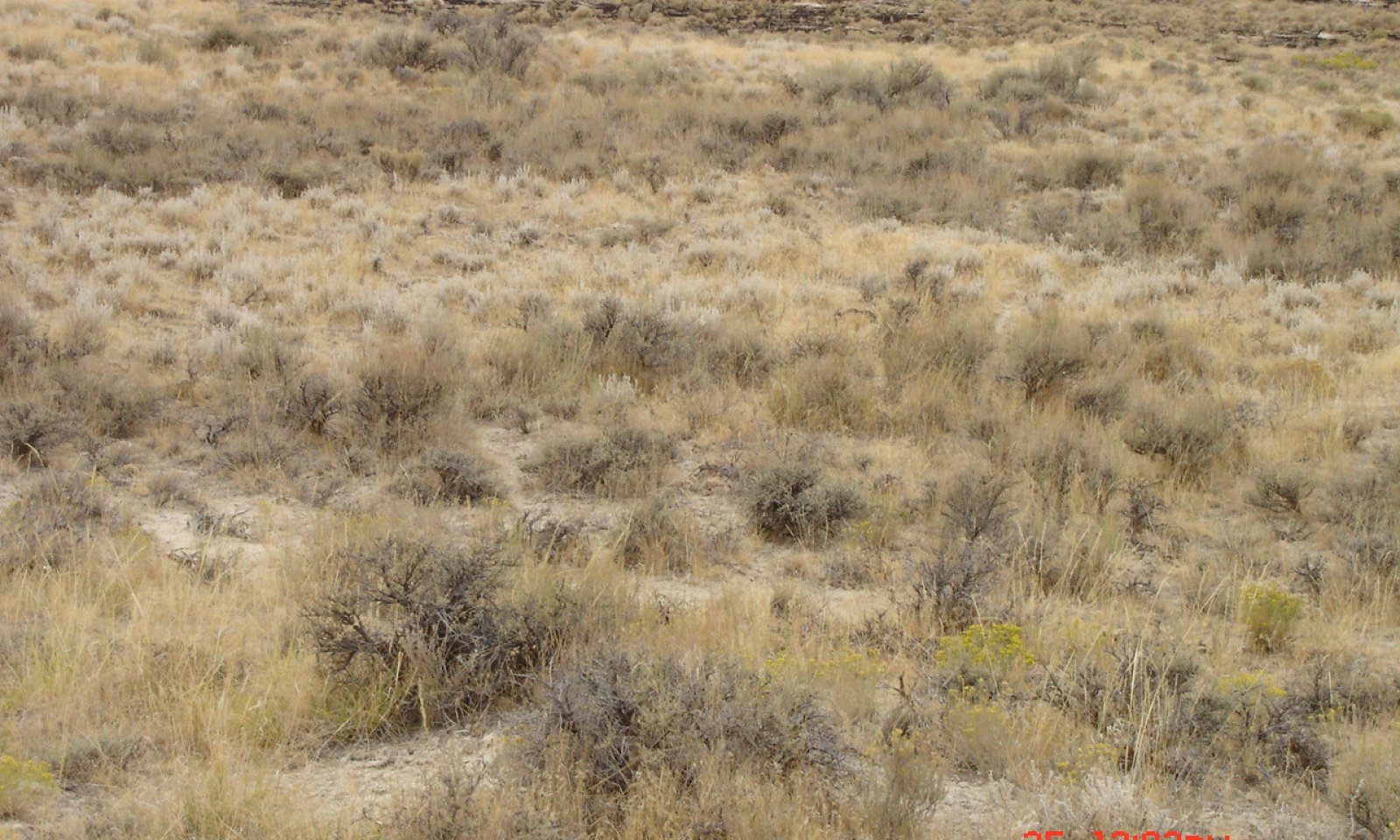
Semidesert Shallow Loam (Black Sagebrush) North

Scenario model
Current ecosystem state
Select a state
Management practices/drivers
Select a transition or restoration pathway
- Transition T1A More details
- Transition T2A More details
- Transition T2B More details
- Transition T3A More details
-
No transition or restoration pathway between the selected states has been described
Target ecosystem state
Select a state
Description
The Reference State has three community phases. These community phases are influenced by disturbance, like fire. Fire can remove patches of shrubs and temporarily make grasses the dominant plant. Lack of fire can lead to an increase in shrub dominance, reducing the understory grasses.
Submodel
Description
The Current Potential State is similar to the Reference State. Except plant communities in the Current Potential state can include native and acclimatized, naturalized and invasive non-native species. This state is irreversibly changed from the reference state because these non-native species will now remain a permanent part of the community.
Submodel
State 3
Non-sprouting shrubs/Invasive annuals State
Description
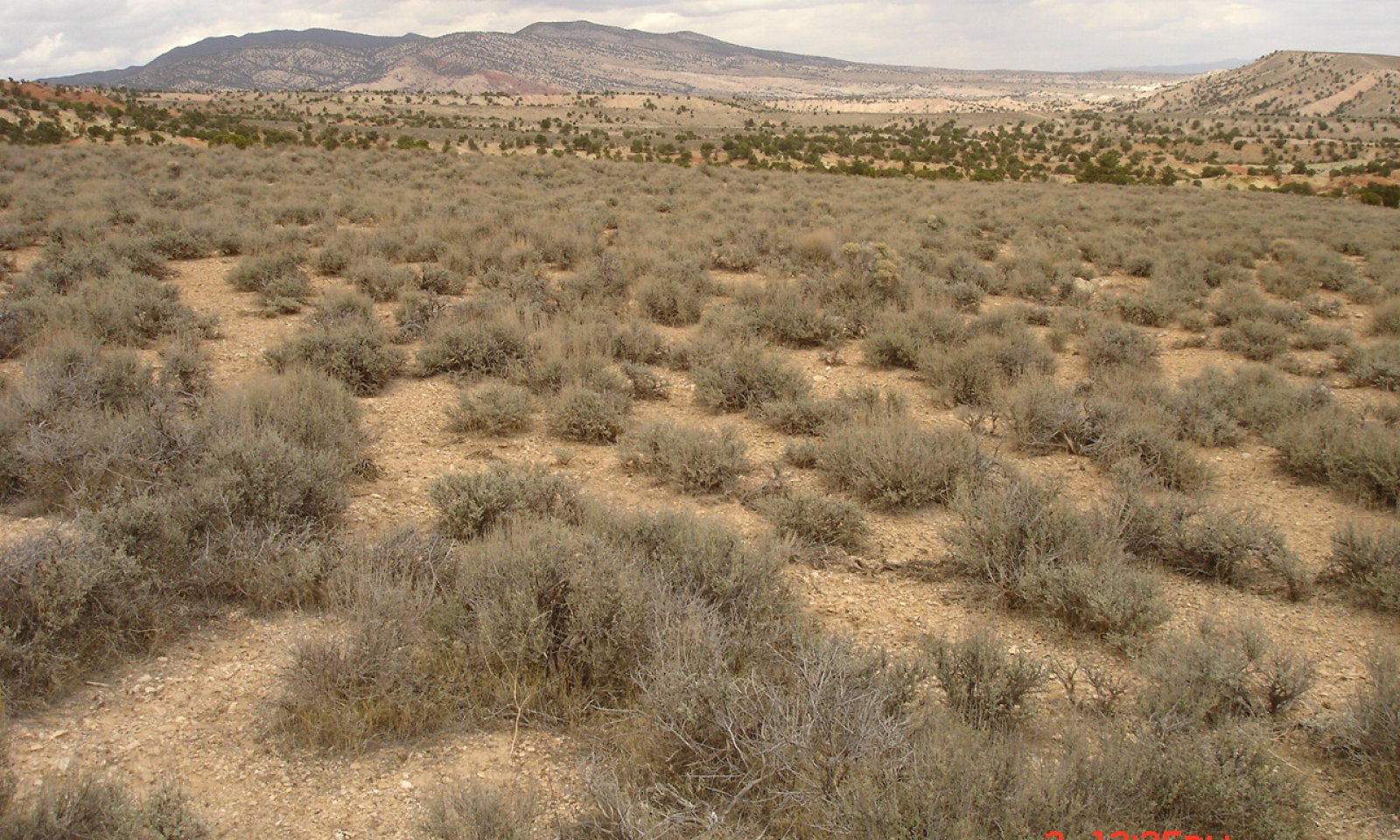
The Non-Sprouting Shrub State occurs when the herbaceous understory is reduced. This can occur with grazing or drought. Reducing the grasses also reduces fine fuels which may reduce fire frequency. Reducing the fire frequency can lead to an increase in non-sprouting shrub densities.
Submodel
Description
This state occurs when there has been more frequent disturbance that removes sagebrush. Fire tolerant shrubs, like rabbitbrush, increase in the plant community.
Submodel
Mechanism
Long-term improper grazing (including, season long overstocking, wrong season, etc.) and/or prolonged drought that removes fine fuels from the site lessening the potential for fire to occur. This allows both sprouting and non-sprouting shrubs such as Black sagebrush, shadscale, winterfat, and yellow rabbitbrush to increase. Shrubs may become decadent due to age. Bluebunch wheatgrass, Indian ricegrass, and other perennial buchgrasses lose vigor and decrease in the community due to shrub competition and grazing pressures. Purple threeawn (Aristida purpurea) and sand dropseed (Sporobolus cryptandrus) may increase. Utah juniper seedlings and saplings may begin to invade the community if a seed source is present.
The threshold is crossed when there is an introduction of non-native species, primarily cheatgrass and various annual mustards, that become established in the community.
Prior to crossing the threshold, if the site is properly grazed over an extended period of time, native perennial vegetation may recover. Fire frequency can return to within normal range for the site. These events could set the site back into the normal range of variability.
Mechanism
Sustained, long-term improper grazing (including season long, overstocking, wrong season, etc.) and/or prolonged drought; reduced fine fuels resulting in the continued lengthening of a fire period and a dense shrub and/or tree overstory. This leads to a significant reduction of native perennial species and an increase in invading annuals. Utah junipers may increase to occupy a significant portion of the overstory, if a seed source is present. Black sagebrush dominates the shrub layer and may be decadent due to age. Bluebunch wheatgrass and other perennial bunchgrasses are significantly reduced due to increased shrub competition and/or heavy grazing pressure. Purple threeawn and sand dropseed may increase. The threshold is crossed when invasive annuals such as cheatgrass and annual mustards dominate the understory. The occurrence of fire extends well beyond the normal period for this site.
Mechanism
Long-term improper grazing (including season long, overstocking, wrong season, etc.) and/or prolonged drought. Shortened fire frequency allows site to be dominated by sprouting shrubs including yellow rabbitbrush and horsebrush species. Bluebunch wheatgrass and other perennial bunchgrasses are significantly reduced due to increased shrub competition and/or heavy grazing pressure. Purple threeawn and sand dropseed may increase. Highly combustible fine fuels from invasive annuals dominate the community. Fire frequency is typically 10 to 30 years.
Transition T3A
Mechanism
Long-term improper grazing (including season long, overstocking, wrong season, etc.) and/or prolonged drought, shortens fire frequency which allows site to be dominated by sprouting shrubs including yellow rabbitbrush and horsebrush species. There is a significant reduction in perennial bunchgrass species. Highly combustible fine fuels from invasive annuals dominate the community. Fire frequency is typically 10 to 30 years.
Model keys
Briefcase
Add ecological sites and Major Land Resource Areas to your briefcase by clicking on the briefcase ( ) icon wherever it occurs. Drag and drop items to reorder. Cookies are used to store briefcase items between browsing sessions. Because of this, the number of items that can be added to your briefcase is limited, and briefcase items added on one device and browser cannot be accessed from another device or browser. Users who do not wish to place cookies on their devices should not use the briefcase tool. Briefcase cookies serve no other purpose than described here and are deleted whenever browsing history is cleared.
Ecological sites
Major Land Resource Areas


The Ecosystem Dynamics Interpretive Tool is an information system framework developed by the USDA-ARS Jornada Experimental Range, USDA Natural Resources Conservation Service, and New Mexico State University.