

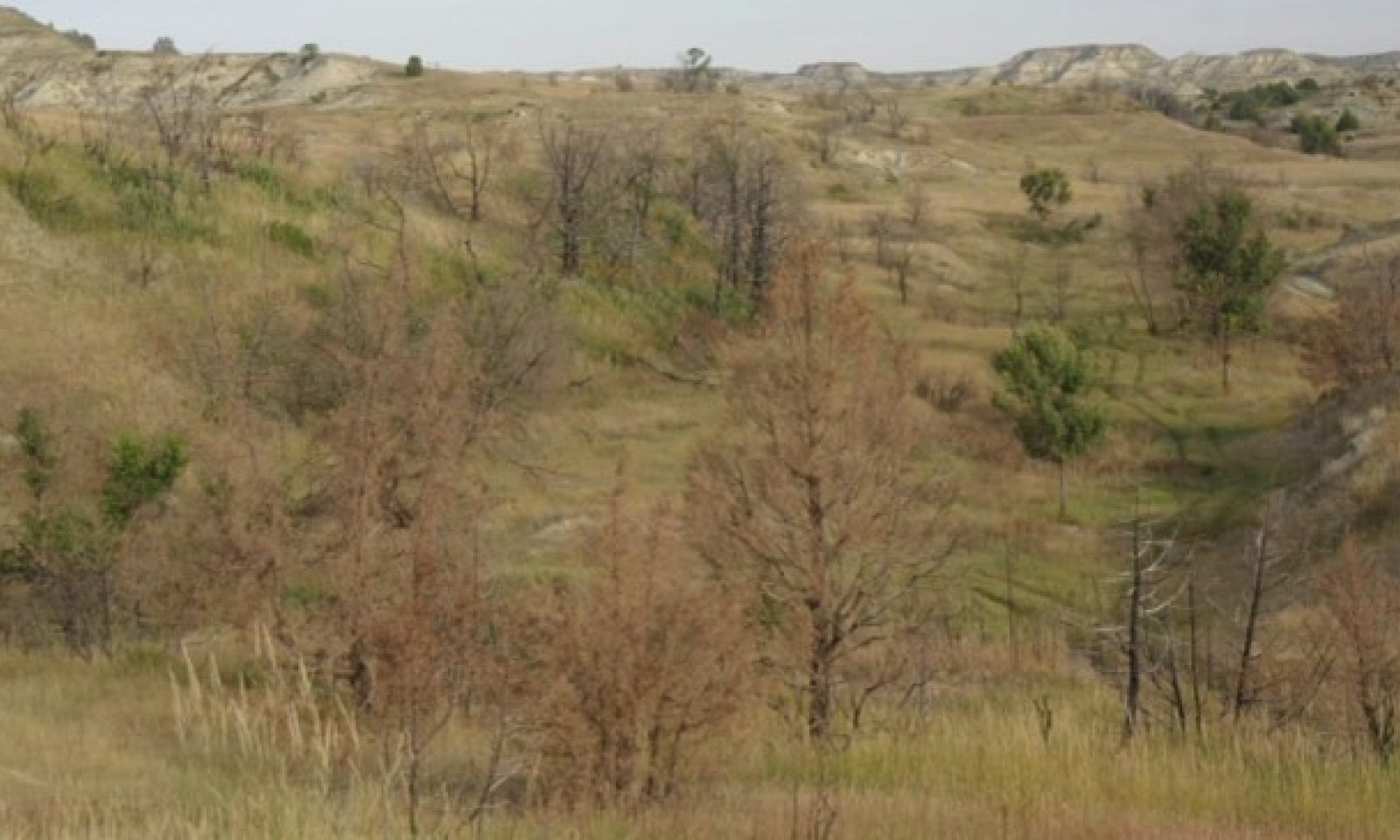
Steep-Sided Wooded Draw
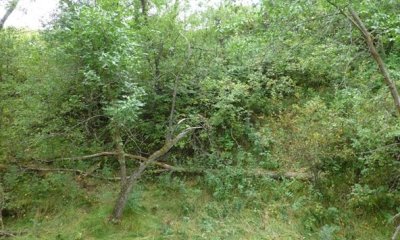

Scenario model
Current ecosystem state
Select a state

Management practices/drivers
Select a transition or restoration pathway
-
Transition T1A
Introduction of exotic cool-season grasses and exotic forbs, altered fire frequency
More details -
Transition T2A
Heavy continuous grazing/feeding, with or without drought, no fire
More details -
Transition T2B
Long-term non-use or very light grazing and no fire
More details -
Transition T3A
Long-term non-use or very light grazing and no fire
More details -
Restoration pathway R4A
Stand replacing fire; prescribed burning with/without mechanical treatment
More details -
No transition or restoration pathway between the selected states has been described
Target ecosystem state
Select a state
Description
This state represents the natural range of variability that dominated the dynamics of this ecological site prior to European influence. The primary disturbance mechanisms for this site in the reference condition included droughts of varying length and severity, soil slumping, ground fires, and wildlife trailing. The timing of fires coupled with weather patterns dictated the dynamics that occur within the natural range of variability. These factors likely caused the community to shift both spatially and temporally between three community phases.
This state was dominated by an overstory of green ash with a shrub understory of chokecherry and American plum. The herbaceous understory was dominated by sedges (e.g., Sprengel’s sedge) with lesser amounts of shade-tolerant grasses, such as littleseed ricegrass. Common forbs included northern bedstraw, starry false lily of the valley, and meadow-rue. Bare ground was less than one percent due to a dense plant canopy and leaf litter. Rocky Mountain juniper may have been present as scattered, mature trees.
Characteristics and indicators
Because of changes in disturbances and other environmental factors (particularly the widespread occurrence of exotic species), the Reference State is considered to no longer exist.
Resilience management
If intact, the reference state should probably be managed with current disturbance regimes which has permitted the site to remain in reference condition as well as maintaining the quality and integrity of associated ecological sites. Maintenance of the reference condition is contingent upon a monitoring protocol to guide management.
Submodel
Description
This state is similar to State 1: Reference State but has now been colonized by the exotic cool-season grasses (e.g., Kentucky bluegrass, smooth brome) which are now present in small amounts. Although the state is still dominated by native trees and shrubs, exotic cool-season grasses have increased in the understory. These exotic cool-season grasses can be quite invasive and are particularly well adapted to heavy grazing, shading, as well as long-term non-use. These exotic cool-season grasses have been particularly and consistently invasive under extended periods of no fire. To slow or limit the invasion of these exotic grasses, it is imperative that managerial techniques (e.g., prescribed grazing, prescribed burning, and/or mechanical treatment (juniper removal)) be carefully constructed, monitored, and evaluated with respect to that objective. If management does not include measures to control or reduce these exotic cool-season grasses, the transition to State 3: Invaded State should be expected.
The invasion of Rocky Mountain Juniper within State 2 occurs when a juniper seed source is present. Lack of active juniper management will lead to State 4.0 Conifer Invaded State. Active management includes prescribed burning and mechanical juniper removal. Limiting juniper seed sources is important to avoid re- invasion of juniper on the site. Active monitoring and management are needed to remove new juniper seedlings as they establish from seedbanks or dispersal.
Other exotic plants invading the site include Canada thistle, leafy spurge, hounds tongue, and common burdock. Rocky Mountain juniper, creeping juniper, and perhaps eastern red cedar may also invade the site. Annual production of this state can be quite variable, in large part due to variations in shading and the amount of exotic cool-season grasses.
Characteristics and indicators
The presence of trace amounts of exotic cool-season grass species indicates a transition from State 1 to State 2. The presence of exotic biennial or perennial leguminous forbs (i.e., sweet clover, black medic) may not, on their own, indicate a transition from State 1 to State 2 but may facilitate that transition.
Resilience management
To slow or limit the invasion of these exotic cool-season grasses, it is imperative that managerial techniques (e.g., prescribed grazing, prescribed burning) be carefully constructed, monitored, and evaluated with respect to that objective.
Due to site conditions (e.g., steep slopes, limited forage production, etc.) grazing on this site is limited. Slopes range from 9 to 70% generally limits grazing on these steeper slopes. Livestock trailing can occur especially when close to a water source. Therefore, grazing management efforts should be concentrated on adjacent sites and should be applied that enhances the competitive advantage of native grass and forb species. This may include: (1) grazing when exotic cool-season grasses are actively growing, and native cool-season grasses are dormant; (2) applying proper deferment periods allowing native grasses to recover and maintain or improve vigor; (3) incorporating early heavy spring utilization which focuses grazing pressure on exotic cool-season grasses and reduces plant litter provided that livestock are moved when grazing selection shifts from exotic cool-season grasses to native grasses.
Submodel
Description
This state often develops in association with heavy continuous grazing on adjacent sites, or where livestock activity significantly impacts the woody vegetation. It can be characterized by scattered mature and decadent green ash, in association with chokecherry and an understory predominantly consisting of exotic herbaceous species. Exotic cool-season grasses often include Kentucky bluegrass, smooth brome, and/or crested wheatgrass. Exotic forbs (such as leafy spurge, Canada thistle, and hound’s tongue) may also be present.
Characteristics and indicators
This site is characterized by exotic herbaceous species constituting greater than 30 percent of the annual production and native herbaceous species constituting less than 40 percent of the annual production.
Resilience management
Applying grazing management to adjacent sites which incorporates adequate deferment periods between grazing events and proper stocking rate levels will help maintain this State. The application of herbaceous weed treatment may be needed to manage noxious weeds.
Submodel
State 4
Conifer Invaded State
Description
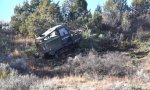
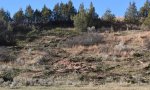
This state results from extended periods of no fire, often in association with long-term non-use or very light grazing. It is characterized by the dominance of conifers, such as Rocky Mountain juniper or ponderosa pine, which may have been present as scattered, mature trees prior to European influence. However, since that time a marked decrease in fire frequency and increased fire suppression has been particularly important in enabling conifers to increase and dominate the site. Associated plants can be quite variable in composition and production depending upon juniper age, size, density, and other factors.
Characteristics and indicators
The dominance of conifers in association with an herbaceous understory composed largely of exotic cool-season grasses distinguishes this state from other states.
Resilience management
This state is resistant to change in the long-term absence of fire. Restoration efforts would require the use of prescribed fire, mechanical treatment, and prescribed grazing. Considerable time and effort will be required to restore to other States.
Submodel
Mechanism
This is the transition from the State 1: Reference State to the State 2: Native/Invaded State due to the introduction and establishment of exotic cool-season grasses (e.g., Kentucky bluegrass, smooth brome, crested wheatgrass) or exotic forbs (e.g., leafy spurge). This transition was inevitable and corresponded to a decline in native warm-season and cool-season grasses; it may have been exacerbated by chronic season- long or heavy late season grazing. Other factors could also have hastened the transition. The threshold between states was crossed when Kentucky bluegrass, smooth brome, or other exotic plants became established on the site.
Constraints to recovery
Current knowledge and technology will not facilitate a successful restoration to Reference State.
Mechanism
This transition from the State 2: Native/Invaded State to State 3: Invaded State results from heavy continuous grazing on adjacent sites and/or livestock activity (e.g., trailing, feeding, adjacent water facility, etc.), with or without drought and no fire, which leads to decadent green ash and an understory dominated by exotic herbaceous species.
Constraints to recovery
Variations in growing conditions will influence effects of various management activities on the exotic herbaceous understory.
Mechanism
This is the transition from the State 2: Native/Invaded State to State 4: Conifer Invaded State due to invasion by Rocky Mountain juniper. It often occurs with long-term non-use or very light grazing, and no fire, where there is a local population of Rocky Mountain juniper.
Constraints to recovery
The extended fire interval may make recovery doubtful due to the abundance of exotic cool-season grasses and lack of native grasses. Fire intensity along with consumption of available fuels may cause incomplete or patchy burns. Ladder fuel and/or fuel loading are required for successfully controlling ponderosa pine (crown vs. ground fire). Continued recruitment of seeds (juniper and pine) from adjacent sites will hamper site restoration.
Constraints to recovery include reticence to undertake tree removal and the perception that trees may be a desirable vegetation component for wildlife habitat, carbon sequestration, aesthetics, etc. Managing the site for mule deer, big horn sheep, livestock, or grassland nesting birds will need to consider the intensive management required to restore and maintain the site in State 2. The disturbance regime necessary to restore this site to State 2: Native/Invaded State is very labor intensive and costly; therefore, addressing woody removal earlier in the encroachment phase is the most cost-effective treatment for woody control.
Mechanism
This is the transition from the State 3: Invaded State to State 4: Conifer Invaded State due to invasion by Rocky Mountain juniper. It often occurs with long-term non-use or very light grazing, and no fire, where there is a local population of Rocky Mountain juniper.
Constraints to recovery
The extended fire interval may make recovery doubtful due to the abundance of exotic cool-season grasses and lack of native grasses. Fire intensity along with consumption of available fuels may cause incomplete or patchy burns. Ladder fuel and/or fuel loading are required for successfully controlling ponderosa pine (crown vs. ground fire). Continued recruitment of seeds (juniper and pine) from adjacent sites will hamper site restoration.
Constraints to recovery include reticence to undertake tree removal and the perception that trees may be a desirable vegetation component for wildlife habitat, carbon sequestration, aesthetics, etc. Managing the site for mule deer, big horn sheep, livestock, or grassland nesting birds will need to consider the intensive management required to restore and maintain the site in State 2. The disturbance regime necessary to restore this site to State 2: Native/Invaded State is very labor intensive and costly; therefore, addressing woody removal earlier in the encroachment phase is the most cost-effective treatment for woody control.
Mechanism
This restoration pathway from State 4: Conifer Invaded State to State 2: Native/Invaded State may occur with a stand replacing fire or prescribed burning with/without mechanical treatment.
Context dependence
Fire intensity along with consumption of available fuels may cause incomplete or patchy burns. Ladder fuel and/or fuel loading are required for successfully controlling ponderosa pine (crown vs. ground fire). Continued recruitment of juniper seeds from adjacent sites will hamper site restoration. Intensive management is required to restore and maintain the site in State 2: Native/Invaded State.
Model keys
Briefcase
Add ecological sites and Major Land Resource Areas to your briefcase by clicking on the briefcase ( ) icon wherever it occurs. Drag and drop items to reorder. Cookies are used to store briefcase items between browsing sessions. Because of this, the number of items that can be added to your briefcase is limited, and briefcase items added on one device and browser cannot be accessed from another device or browser. Users who do not wish to place cookies on their devices should not use the briefcase tool. Briefcase cookies serve no other purpose than described here and are deleted whenever browsing history is cleared.
Ecological sites
Major Land Resource Areas


The Ecosystem Dynamics Interpretive Tool is an information system framework developed by the USDA-ARS Jornada Experimental Range, USDA Natural Resources Conservation Service, and New Mexico State University.