


Rocky Isothermic Naturalized Grassland Koa haole/guineagrass - buffelgrass/glycine (Leucaena leucocephala/Urochloa maxima - Cenchrus ciliaris/Neonotonia wightii)

Scenario model
Current ecosystem state
Select a state
Management practices/drivers
Select a transition or restoration pathway
-
Restoration pathway R1A
State 1 Reference can be restored to a plant community resembling State 3 Native Forest. Invasive plant species control would be applied to forage species and the many opportunistic plant species that would invade the site. Invasive plant species control would be a perpetual process to maintain the site. Firebreaks must be established and maintained, and suitable fencing must be erected and maintained to exclude domestic and feral ungulates. Extensive planting of native species would follow.
More details -
Transition T1A
State 1 Reference transitions to State 4 Shrub-Invaded Grassland in the absence of disturbance such as fire or herbivory by ungulates such that gradual invasion of weedy shrubs and small trees will occur. If the site contained abundant koa haole before abandonment, these small trees will overtop the guineagrass and greatly increase in abundance. To avoid this transition apply a planned grazing system/prescribed grazing and brush control.
More details -
Transition T1B
State 1 Reference will transition to State 6 Glycine-Invaded if ungulate herbivory is absent or too light to control glycine growth. To avoid this transition apply a grazing management plan/prescribed grazing and/or herbaceous weed control measures..
More details -
Transition T2A
State 2 Invaded-Understory transitions to State 1 Reference when the native overstory is cleared by disturbance such as fire or by mechanical means. Once cleared it is likely that weed species released from the soil seed bank will require invasive plant species control measures. Seed or plant desired perennial grasses as needed.
More details -
Restoration pathway R2A
State 2 Invaded-Understory may be restored to a facsimile of State 3 Native Forest by removal of the introduced understory through application of Invasive plant species control and brush control measures. Reintroduction of native understory species is required. The site must be fenced securely to exclude ungulates, and a firebreak must be established and maintained.
More details -
Transition T2B
State 2 Invaded-Understory transitions to State 5 Exotic Tree-Invaded by growth of introduced tree species through and above the native canopy, resulting in competition for light, nutrients and space. Lack of reproduction, establishment and persistence leads to gradual loss of most native tree species. This transition may be avoided by applying Invasive plant species management measures.
More details -
Restoration pathway T3B
State 3 Native Forest transitions to State 1 Reference when native vegetation is cleared by disturbances such as fire or by mechanical means. Once cleared, seed or plant desirable perennial grass and forb species and apply invasive plant species management as needed.
More details -
Transition T3B
State 3 Native Forest transitions to State 2 Invaded-Understory through grazing, browsing, rooting, and trampling by domestic or feral ungulates (cows, sheep, deer, goats, and pigs). These activities destroy small native plant species and seedlings and saplings of large species. Regeneration of the native forest is prevented, leading to tree populations consisting almost entirely of mature plants. Lack of competition from native plants, introduction of weed seeds, and disturbance of the soil lead to an understory dominated by introduced plant species. Weeds can invade intact native forest even in the absence of ungulates and gradually bring about the transition. Invasive vines, shrubs, and small trees will grow under intact native canopies and begin to degrade the forest. Eventually, the fine fuels produced by introduced grasses can carry wildfires that destroy the native tree canopy. This transition may be avoided by building a fence to exclude domestic and feral ungulates and by applying continued invasive plant species management measures.
More details -
Transition T4A
State 4 Shrub-Invaded Grassland transitions to State 5 Exotic Tree-Invaded without disturbance such as fire or brush control. Fast-growing introduced tree species invade Shrub Invaded Grassland and quickly overtop shrubs. This transition can be avoided through application of brush management and invasive plant species control measures.
More details -
Restoration pathway R5A
State 5 Exotic Tree-Invaded may be restored to State 1 Reference with disturbance such as fire or land clearing by mechanical means. Soil disturbance by heavy machinery may induce germination of the weed seed bank and increase the potential for soil erosion. Invasive plant species control and brush management must then be applied multiple times to control new weed germination and resprouting. After clearing and invasive plant species management, the site would be planted to forage species. Ungulates would have to be excluded until forages are well established; prescribed grazing must then be applied.
More details -
Transition T5A
State 5 Exotic Tree-Invaded transitions to State 6 Glycine-Invaded where glycine (Neonotonia wightii) is present or on adjoining land and is not controlled, or ungulates are not present to consume glycine. This transition can be avoided by application of a planned grazing system/prescribed grazing and/or herbaceous weed control measures.
More details -
Restoration pathway R6A
State 6 Glycine-Invaded transitions to State 1 Reference with application of targeted herbivory by livestock or herbaceous weed control. Once glycine has been effectively controlled, desired grasses can be reintroduced as needed during periods when animals are on other paddocks. Transitions T4B and T5A to State 6 Glycine-Invaded has been used intentionally and successfully to smother weedy vegetation up to the size of christmasberry on Kapapala Ranch on the island of Hawaii (Gordon Cran, personal communication). The weedy site is fenced and ungulates are removed, allowing glycine to smother weeds completely. Goats are then allowed onto the site to consume remaining or opportunistic understory weeds; glycine stems become too woody for the goats to eat. After about eight years, the dead trees collapse to the ground. At this point, grazing animals are allowed back on the site to consume glycine. Desired forage grasses can be replanted during periods when animals are on other paddocks.
More details -
No transition or restoration pathway between the selected states has been described
Target ecosystem state
Select a state
Description
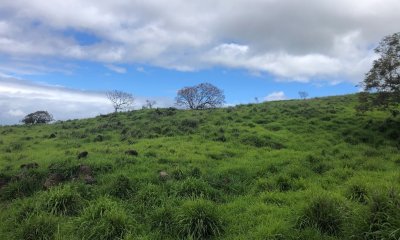
This state consists of two community phases. It is naturalized grassland with introduced grasses, forbs, and trees. Scattered, large trees are often present. Because examples of native dry forest are rare or nonexistent, this naturalized state is used as the Reference State.
Submodel
Description
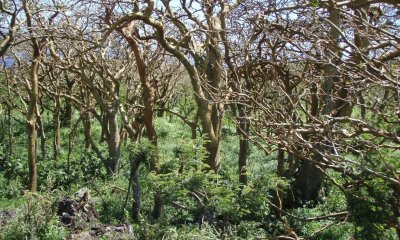
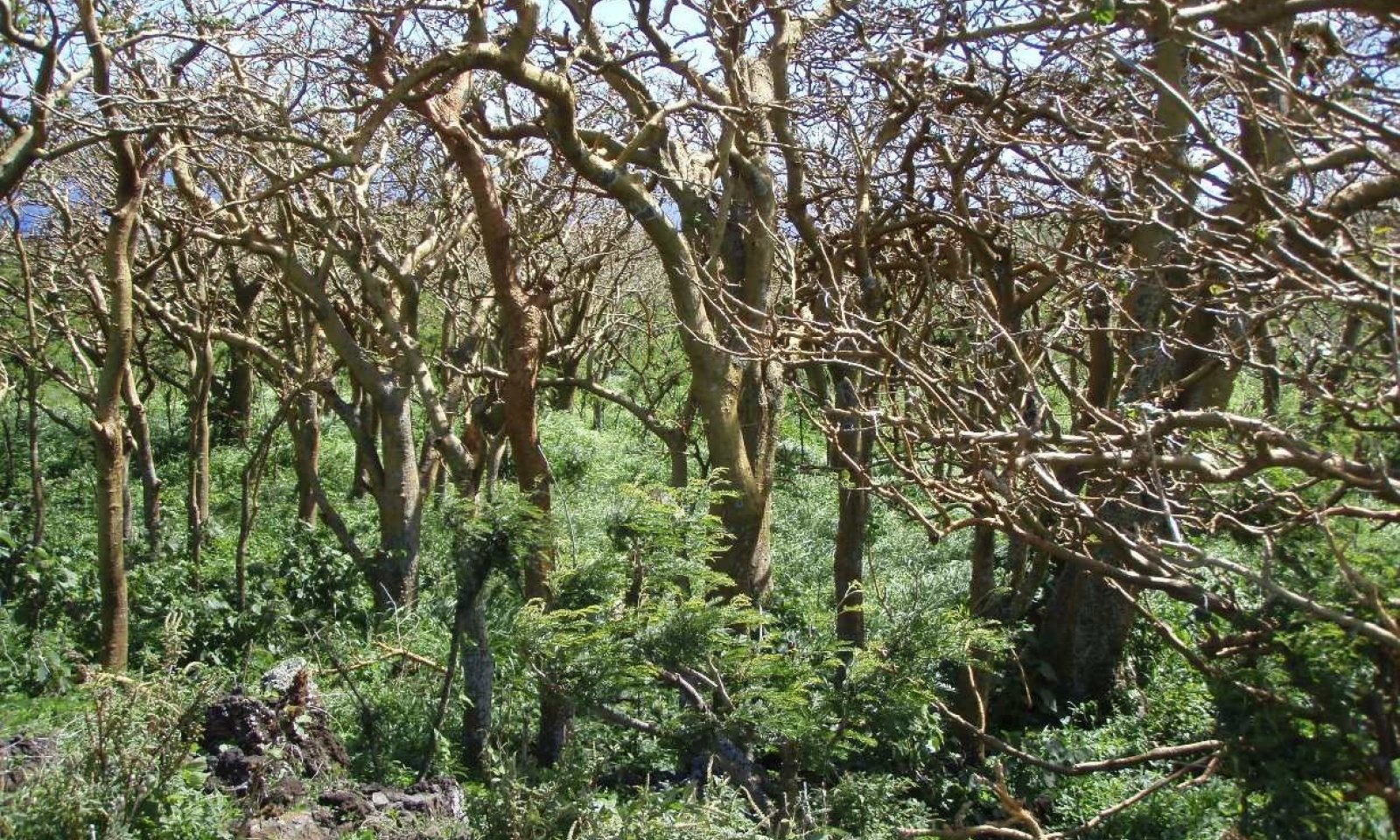
This state consists of one community phase having an open canopy of common native trees with an understory of introduced grasses, ferns, vines, small trees, and shrubs. It is created by degradation of State 3 Native Forest. Foraging by feral or domestic ungulates removes native understory plants and prevents regeneration of overstory species, resulting in a diminishing canopy of mature native trees. This may occur more gradually by weed invasion into intact native forest. The understory of this plant community contains fine fuels that are susceptible to wildfire.
Submodel
Description
This state consists of one community phase. This description is hypothetical, because very little native vegetation remains in this ecological site. The following description is based on similar ecological sites on the Island of Hawaii. The general appearance of this ecological site is an open to nearly closed canopy 20 to 40 feet (6 to 12 meters) tall, an understory of shrubs and small trees, and a ground layer of vines, forbs, and grasses. The canopy becomes shorter and sparser where the forest grades into drier areas.
Submodel
Description
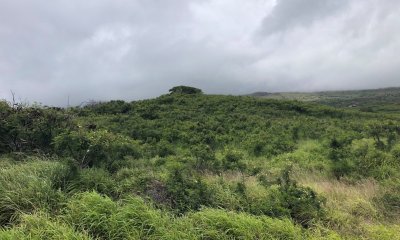
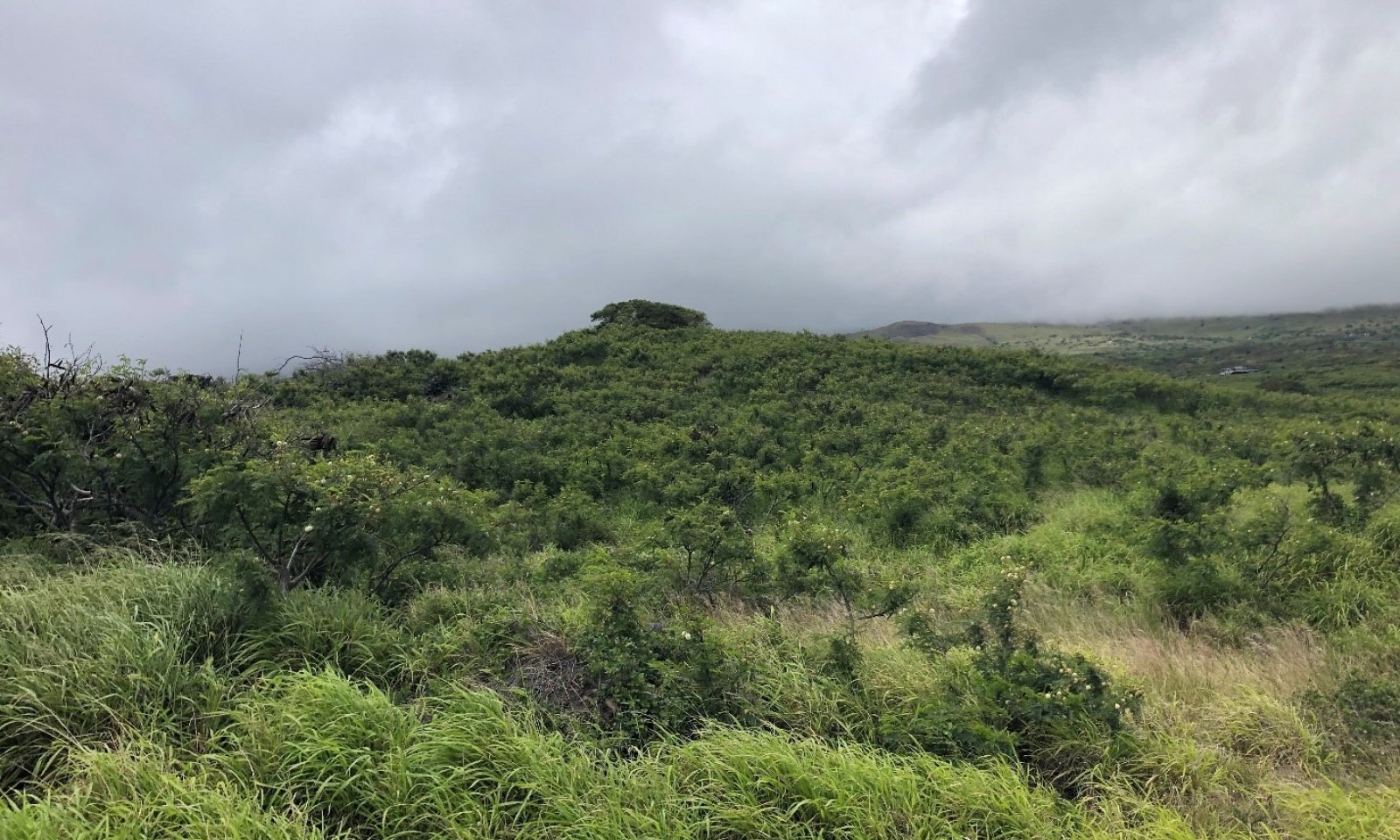
This state consists of one community phase. It may have developed from abandoned grazing land, land cleared by fire, or abandoned farmland. Shrubs are dominant in canopy cover and stature. Typically, an array of introduced grass species is present. There is a moderate but increasing cover of young trees, some of which potentially can grow to large stature. This tree cover creates the potential for eventual transition to State 5 Exotic Tree-nvaded.
Submodel
Description
This state is comprised of one community phase dominated by introduced trees. Density and composition of understory shrubs, forbs, and grasses varies greatly with overstory closure and height, which affects the susceptibility of this plant community to fire. The density, vigor, and biomass of introduced vegetation can be very high, making restoration to other states expensive and difficult.
Submodel
Description
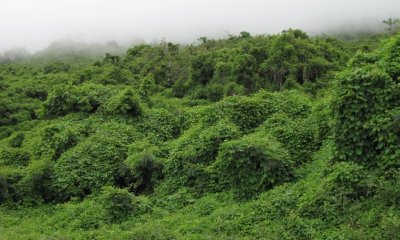
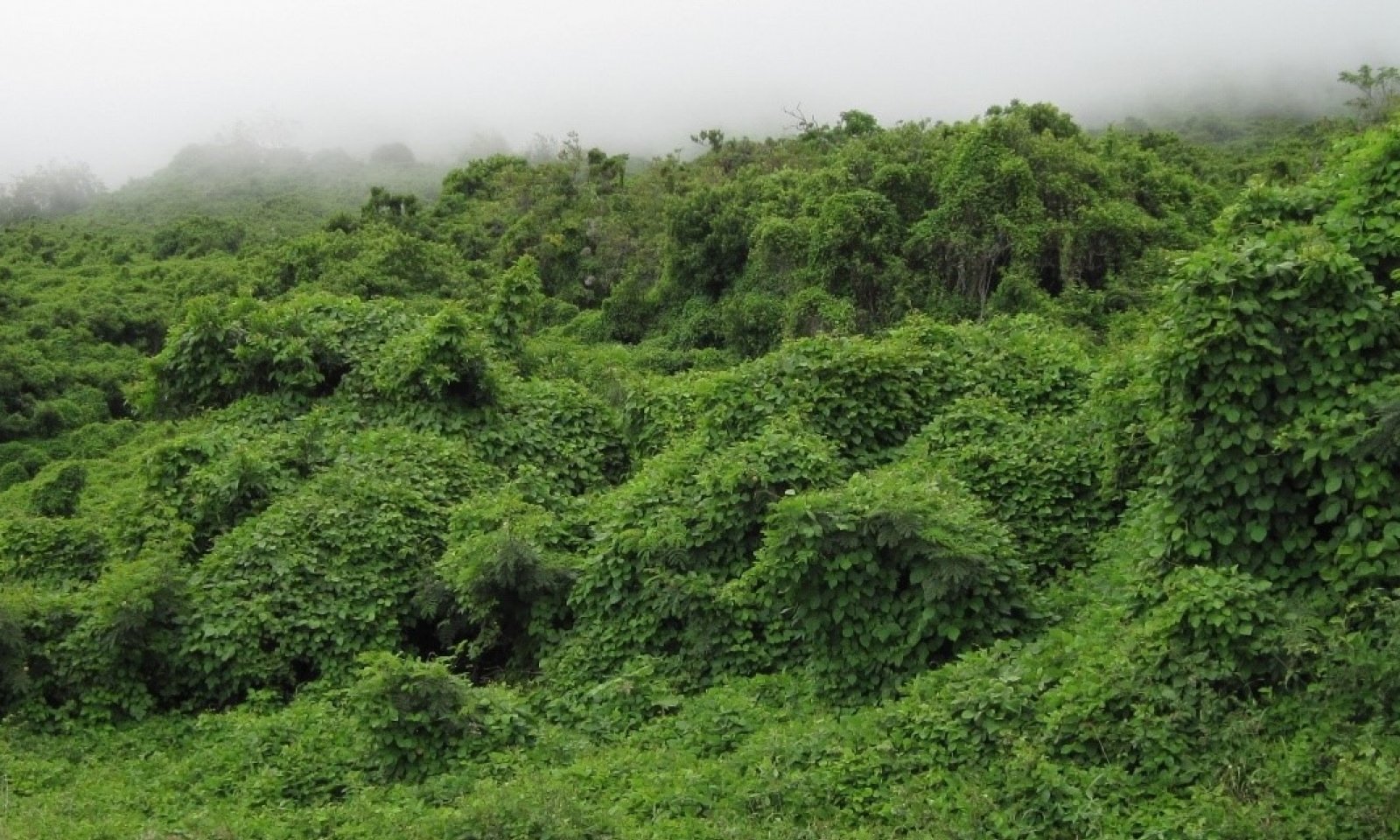
This state consists of one community phase. It occurs as transitions from states in which glycine (Neonotonia wightii) is present and herbivory is not adequate to control growth of this competitive vine.
Submodel
Mechanism
State 1 Reference can be restored to a plant community resembling State 3 Native Forest. Invasive plant species control would be applied to forage species and the many opportunistic plant species that would invade the site. Invasive plant species control would be a perpetual process to maintain the site. Firebreaks must be established and maintained, and suitable fencing must be erected and maintained to exclude domestic and feral ungulates. Extensive planting of native species would follow.
Relevant conservation practices
| Practice | External resources |
|---|---|
|
Brush Management |
|
|
Fence |
|
|
Firebreak |
|
|
Integrated Pest Management (IPM) |
|
|
Native Plant Community Restoration and Management |
|
|
Invasive Plant Species Control |
|
|
Invasive Species Pest Management |
Mechanism
State 1 Reference transitions to State 4 Shrub-Invaded Grassland in the absence of disturbance such as fire or herbivory by ungulates such that gradual invasion of weedy shrubs and small trees will occur. If the site contained abundant koa haole before abandonment, these small trees will overtop the guineagrass and greatly increase in abundance. To avoid this transition apply a planned grazing system/prescribed grazing and brush control.
Relevant conservation practices
| Practice | External resources |
|---|---|
|
Brush Management |
|
|
Prescribed Grazing |
|
|
Planned Grazing System |
Mechanism
State 1 Reference will transition to State 6 Glycine-Invaded if ungulate herbivory is absent or too light to control glycine growth. To avoid this transition apply a grazing management plan/prescribed grazing and/or herbaceous weed control measures.
Relevant conservation practices
| Practice | External resources |
|---|---|
|
Planned Grazing System |
|
|
Prescribed Grazing |
|
|
Herbaceous Weed Control |
Mechanism
State 2 Invaded-Understory transitions to State 1 Reference when the native overstory is cleared by disturbance such as fire or by mechanical means. Once cleared it is likely that weed species released from the soil seed bank will require invasive plant species control measures. Seed or plant desired perennial grasses as needed.
Relevant conservation practices
| Practice | External resources |
|---|---|
|
Land Clearing |
|
|
Invasive Plant Species Control |
|
|
Invasive Species Pest Management |
Mechanism
State 2 Invaded-Understory may be restored to a facsimile of State 3 Native Forest by removal of the introduced understory through application of Invasive plant species control and brush control measures. Reintroduction of native understory species is required. The site must be fenced securely to exclude ungulates, and a firebreak must be established and maintained.
Relevant conservation practices
| Practice | External resources |
|---|---|
|
Brush Management |
|
|
Fence |
|
|
Firebreak |
|
|
Restoration and Management of Rare and Declining Habitats |
|
|
Native Plant Community Restoration and Management |
|
|
Invasive Plant Species Control |
Mechanism
State 2 Invaded-Understory transitions to State 5 Exotic Tree-Invaded by growth of introduced tree species through and above the native canopy, resulting in competition for light, nutrients and space. Lack of reproduction, establishment and persistence leads to gradual loss of most native tree species. This transition may be avoided by applying Invasive plant species management measures.
Relevant conservation practices
| Practice | External resources |
|---|---|
|
Brush Management |
|
|
Native Plant Community Restoration and Management |
|
|
Invasive Plant Species Control |
Mechanism
State 3 Native Forest transitions to State 1 Reference when native vegetation is cleared by disturbances such as fire or by mechanical means. Once cleared, seed or plant desirable perennial grass and forb species and apply invasive plant species management as needed.
Relevant conservation practices
| Practice | External resources |
|---|---|
|
Brush Management |
|
|
Land Clearing |
|
|
Range Planting |
|
|
Invasive Species Pest Management |
Mechanism
State 3 Native Forest transitions to State 2 Invaded-Understory through grazing, browsing, rooting, and trampling by domestic or feral ungulates (cows, sheep, deer, goats, and pigs). These activities destroy small native plant species and seedlings and saplings of large species. Regeneration of the native forest is prevented, leading to tree populations consisting almost entirely of mature plants. Lack of competition from native plants, introduction of weed seeds, and disturbance of the soil lead to an understory dominated by introduced plant species. Weeds can invade intact native forest even in the absence of ungulates and gradually bring about the transition. Invasive vines, shrubs, and small trees will grow under intact native canopies and begin to degrade the forest. Eventually, the fine fuels produced by introduced grasses can carry wildfires that destroy the native tree canopy. This transition may be avoided by building a fence to exclude domestic and feral ungulates and by applying continued invasive plant species management measures.
Relevant conservation practices
| Practice | External resources |
|---|---|
|
Fence |
|
|
Integrated Pest Management (IPM) |
Mechanism
State 4 Shrub-Invaded Grassland transitions to State 5 Exotic Tree-Invaded without disturbance such as fire or brush control. Fast-growing introduced tree species invade Shrub Invaded Grassland and quickly overtop shrubs. This transition can be avoided through application of brush management and invasive plant species control measures.
Relevant conservation practices
| Practice | External resources |
|---|---|
|
Brush Management |
|
|
Invasive Plant Species Control |
Mechanism
State 5 Exotic Tree-Invaded may be restored to State 1 Reference with disturbance such as fire or land clearing by mechanical means. Soil disturbance by heavy machinery may induce germination of the weed seed bank and increase the potential for soil erosion. Invasive plant species control and brush management must then be applied multiple times to control new weed germination and resprouting. After clearing and invasive plant species management, the site would be planted to forage species. Ungulates would have to be excluded until forages are well established; prescribed grazing must then be applied.
Relevant conservation practices
| Practice | External resources |
|---|---|
|
Brush Management |
|
|
Fence |
|
|
Land Clearing |
|
|
Range Planting |
|
|
Planned Grazing System |
|
|
Prescribed Grazing |
|
|
Invasive Plant Species Control |
Mechanism
State 5 Exotic Tree-Invaded transitions to State 6 Glycine-Invaded where glycine (Neonotonia wightii) is present or on adjoining land and is not controlled, or ungulates are not present to consume glycine. This transition can be avoided by application of a planned grazing system/prescribed grazing and/or herbaceous weed control measures.
Relevant conservation practices
| Practice | External resources |
|---|---|
|
Planned Grazing System |
|
|
Prescribed Grazing |
|
|
Herbaceous Weed Control |
Mechanism
State 6 Glycine-Invaded transitions to State 1 Reference with application of targeted herbivory by livestock or herbaceous weed control. Once glycine has been effectively controlled, desired grasses can be reintroduced as needed during periods when animals are on other paddocks. Transitions T4B and T5A to State 6 Glycine-Invaded has been used intentionally and successfully to smother weedy vegetation up to the size of christmasberry on Kapapala Ranch on the island of Hawaii (Gordon Cran, personal communication). The weedy site is fenced and ungulates are removed, allowing glycine to smother weeds completely. Goats are then allowed onto the site to consume remaining or opportunistic understory weeds; glycine stems become too woody for the goats to eat. After about eight years, the dead trees collapse to the ground. At this point, grazing animals are allowed back on the site to consume glycine. Desired forage grasses can be replanted during periods when animals are on other paddocks.
Relevant conservation practices
| Practice | External resources |
|---|---|
|
Range Planting |
|
|
Planned Grazing System |
|
|
Prescribed Grazing |
|
|
Herbaceous Weed Control |
Model keys
Briefcase
Add ecological sites and Major Land Resource Areas to your briefcase by clicking on the briefcase ( ) icon wherever it occurs. Drag and drop items to reorder. Cookies are used to store briefcase items between browsing sessions. Because of this, the number of items that can be added to your briefcase is limited, and briefcase items added on one device and browser cannot be accessed from another device or browser. Users who do not wish to place cookies on their devices should not use the briefcase tool. Briefcase cookies serve no other purpose than described here and are deleted whenever browsing history is cleared.
Ecological sites
Major Land Resource Areas


The Ecosystem Dynamics Interpretive Tool is an information system framework developed by the USDA-ARS Jornada Experimental Range, USDA Natural Resources Conservation Service, and New Mexico State University.