

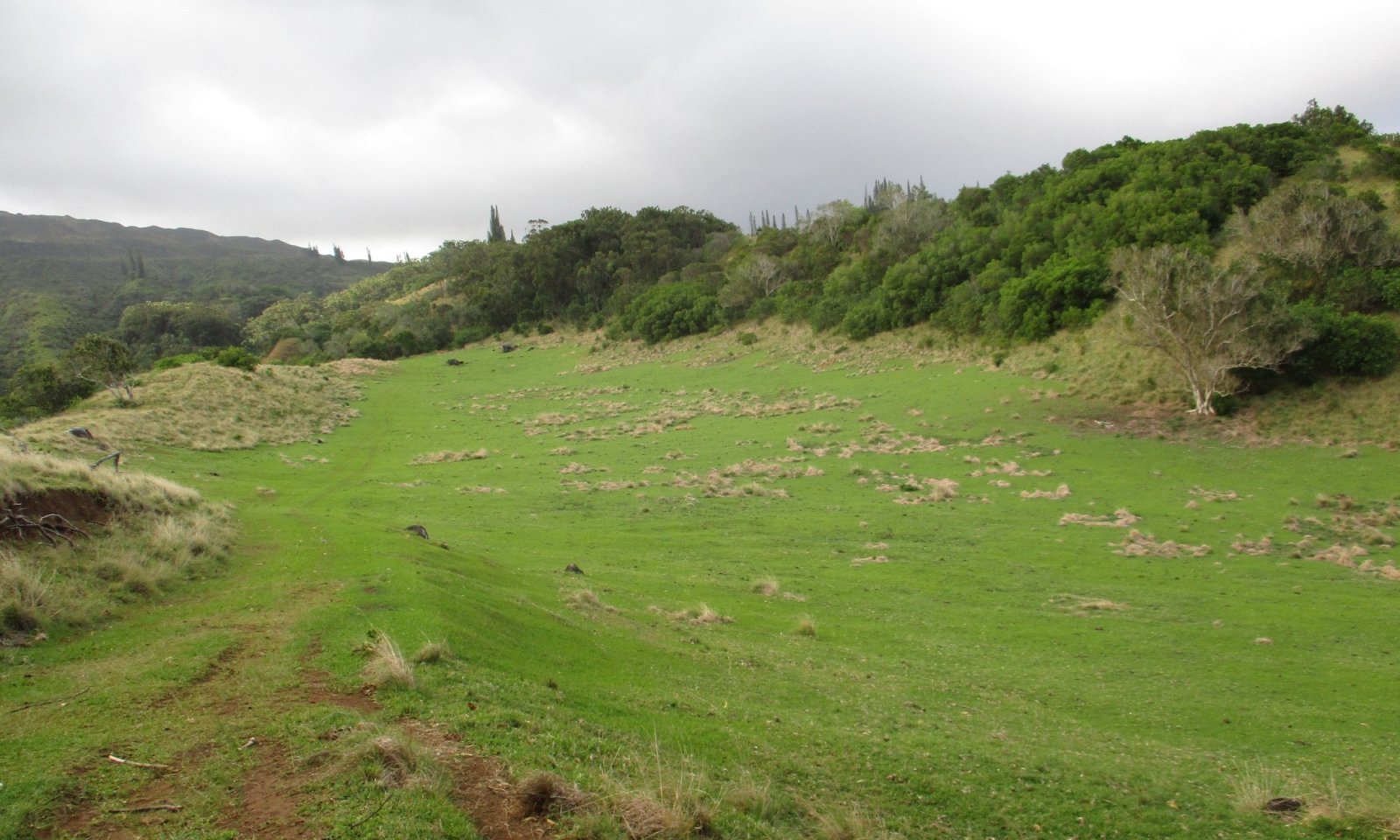
Naturalized Grassland 50 to 90 inch PZ Ohia lehua/kikuyugrass (Metrosideros polymorpha/Pennisetum clandestinum)

Scenario model
Current ecosystem state
Select a state
Management practices/drivers
Select a transition or restoration pathway
-
Transition T1A
State 1 Reference transitions to State 5 Weed Invaded Grassland by long-term continuous grazing and lack of weed control measures. Remnant desirable forages have been grazed out and replaced entirely by weedy grasses, forbs, shrubs, and small trees.
More details -
Restoration pathway R2B
State 2 Invaded Understory can be restored to State 1 Reference by clearing the native forest overstory with heavy machinery and planting desirable forage species. Implement brush management and invasive plant species control measures as needed.
More details -
Transition T2A
State 2 Invaded Understory transitions to State 3 Invaded Over and Understory through the process of fast-growing weeds inhibiting reproduction of native plants and gradually replacing them. This process is accelerated by feral pigs and cattle directly damaging native plants and promoting the spread of weeds by disturbing the soil and spreading weed seeds.
More details -
Restoration pathway R2A
State 2 Invaded Understory may be restored to a facsimile of State 4 Native Forest. Construction of a suitable fence and removal of all ungulates are necessary. Intensive weed control must then be initiated and maintained in the long term. In some cases, large amounts of dead weed biomass must be dealt with by removal or decomposition. Reintroduction of missing native species will be necessary.
More details -
Restoration pathway R3A
State 3 Invaded Overstory and Understory can be converted to State 1 Reference by clearing vegetation using heavy machinery, appropriately dealing with slash piles, applying aggressive weed control measures, and planting desirable forage species.
More details -
Transition T4B
State 4 Native Forest can transition to State 1 Reference by clearing the forest with heavy machinery and planting desirable pasture species. Native forest may be cleared gradually by allowing cattle access to the forest. Cattle eventually eat or destroy native understory ferns, forbs, shrubs, and saplings, opening the forest so that introduced grasses will thrive.
More details -
Transition T4A
State 4 Native Forest transitions to State 2 Invaded Understory by the very aggressive, introduced weed species present in this ecological site invading intact native forest and gradually replacing native species in the understory. This invasion is greatly facilitated by feral pigs and cattle that damage and consume native plants, disturb the soil, and spread weed seeds.
More details -
Restoration pathway R5A
State 5 Weed-Invaded Grassland can be restored to State 1 Reference by brush management, re-establishment of desirable forage species, persistent weed control, and prescribed grazing.
More details -
Transition T5A
State 5 Weed-Invaded Grassland transitions to State 3 Invaded Over and Understory due to the presence of fast-growing, introduced tree species; wildfire may delay this process.
More details -
No transition or restoration pathway between the selected states has been described
Target ecosystem state
Select a state
Description
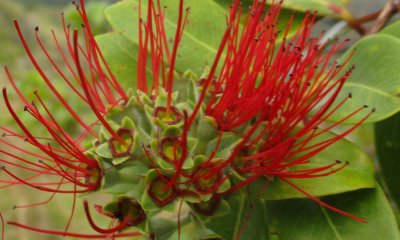
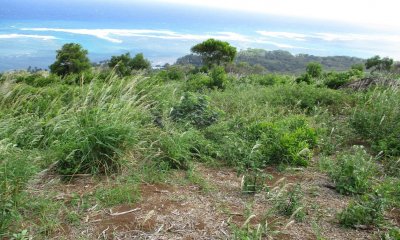
This state consists of two community phases dominated by introduced grass species. This state is considered to be the Reference State because few intact examples of native forest remain, and the species compositions of the forests consisting of introduced species are variable.
Continuous grazing results in increased abundance of less desirable forage species, as represented by the phase change from 1.1 Kikuyugrass to 1.2 Molassesgrass – kikuyugrass/Hamakua pamakani. Longer-term overgrazing and lack of weed control measures results in a transition to State 5 Weed-Invaded Grassland.
Resilience management
A transition from State 1 Reference to State 5 Weed Invaded Grassland may be avoided through application of planned grazing system/prescribed grazing, brush management and invasive plant species control measures.
Submodel
Description
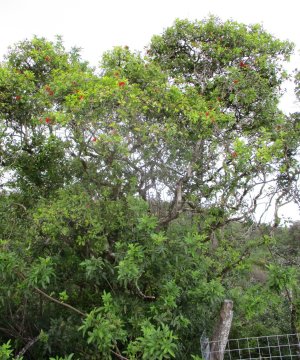
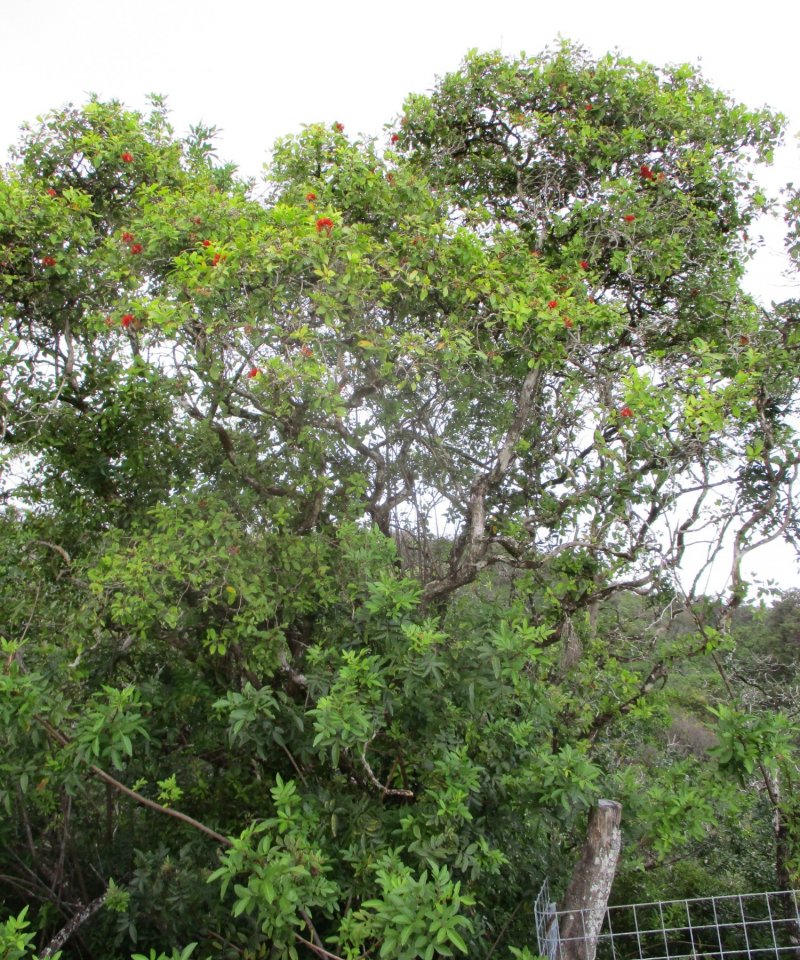
This state consists of one community phase. Native trees are dominant or very common in the overstory. However, introduced trees, shrubs, vines, and ferns produce a dense layer of low, competitive vegetation that severely inhibits reproduction of native species. Activity of feral pigs and cattle further reduces native plant abundance and produces bare, disturbed soil patches that promote weed invasion. Eventually, this state transitions to State 3 Invaded Overstory and Understory through growth of introduced tree species.
Resilience management
A transition from State 2 Invaded Understory to State 3 Invaded Overstory and Understory may be avoided by implementing measures which effectively exclude cattle and feral pigs (fencing, animal control, invasive pest species management) from the site and through application of invasive plant species control measures to eradicate or reduce abundance of introduced trees, shrubs, vines and ferns before they can invade and degrade the native overstory.
Submodel
Description
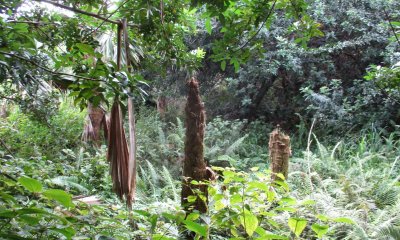
This state consists of one community phase dominated by introduced species in both the overstory and understory. Some individual native trees may persist for their lifetime. The diversity of weedy trees, shrubs, vines, ferns, and herbs is high, and the species mix is variable. Conversion to State 1 Reference is possible by using heavy machinery and applying aggressive weed control and ungulate-exclusion measures until desirable forages are established.
Submodel
Description
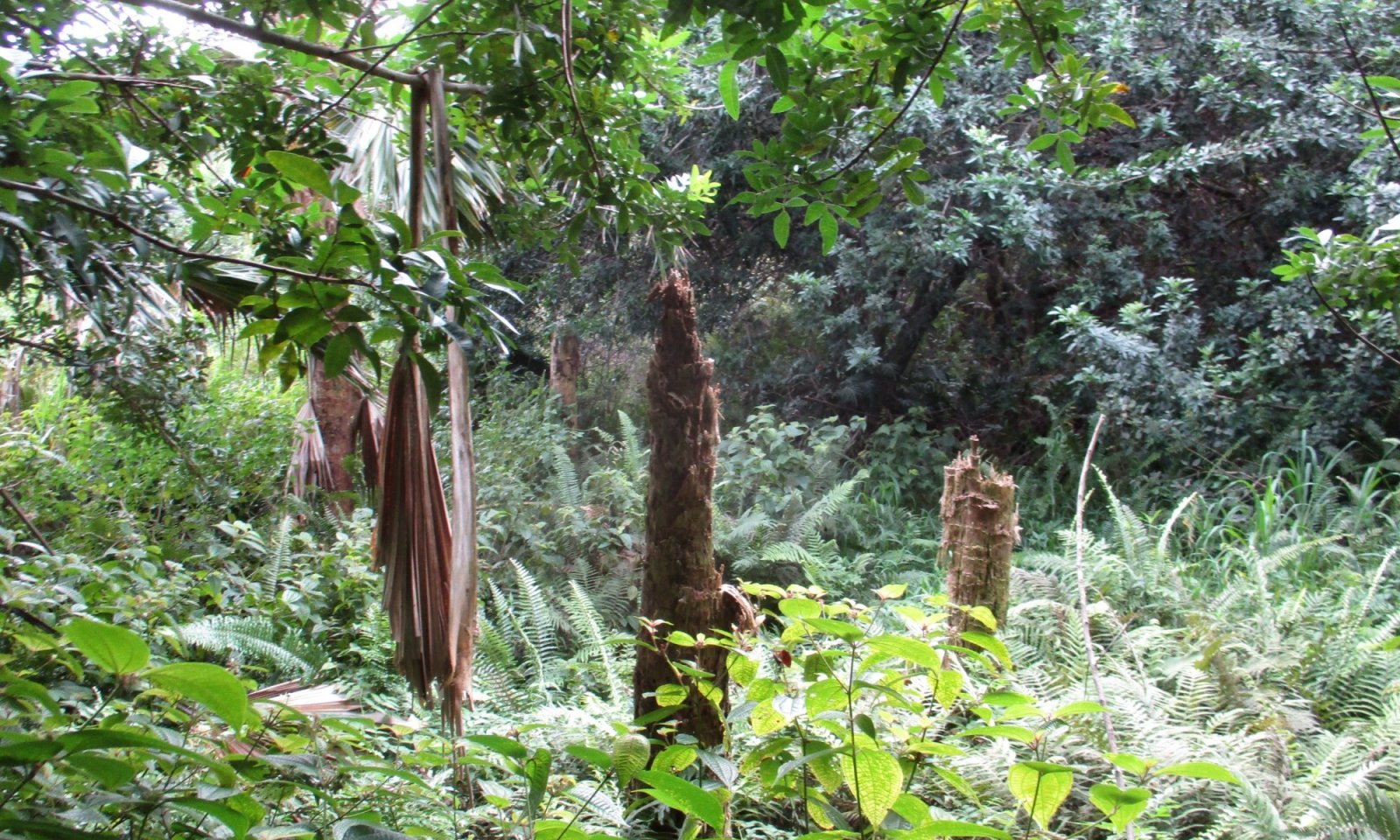
This state consists of one community phase. Because few examples of this state remain, the following description is partly hypothetical, based on observations of similar ecological sites and on the known ranges and environmental preferences of likely native plant species.
When cleared of understory and much of the overstory by machinery or long-term, heavy ungulate browsing and replanted with desirable forage species, this state transitions to State 1 Reference. Abandonment and gradual invasion by weedy, introduced plant species brings a transition to State 2 Invaded Understory.
Resilience management
The transition from State 4 Native Forest to State 2 Invaded Understory may be avoided by implementing measures which effectively exclude cattle and feral pigs (fencing, animal control, invasive pest species management) from the site and through application of invasive plant species control measures to eradicate or reduce introduced trees, shrubs, vines and ferns.
Submodel
Description
This state consists of one community phase consisting primarily of weedy shrubs and small trees. Weedy grasses and forbs dominate between shrub patches. Introduced tree species are present and will eventually attain dominance.
Submodel
Mechanism
State 1 Reference transitions to State 5 Weed Invaded Grassland by long-term continuous grazing and lack of weed control measures. Remnant desirable forages have been grazed out and replaced entirely by weedy grasses, forbs, shrubs, and small trees.
Mechanism
State 2 Invaded Understory can be restored to State 1 Reference by clearing the native forest overstory with heavy machinery and planting desirable forage species. Implement brush management and invasive plant species control measures as needed.
Relevant conservation practices
| Practice | External resources |
|---|---|
|
Brush Management |
|
|
Land Clearing |
|
|
Range Planting |
|
|
Invasive Plant Species Control |
Mechanism
State 2 Invaded Understory transitions to State 3 Invaded Over and Understory through the process of fast-growing weeds inhibiting reproduction of native plants and gradually replacing them. This process is accelerated by feral pigs and cattle directly damaging native plants and promoting the spread of weeds by disturbing the soil and spreading weed seeds.
Mechanism
State 2 Invaded Understory may be restored to a facsimile of State 4 Native Forest. Construction of a suitable fence and removal of all ungulates are necessary. Intensive weed control must then be initiated and maintained in the long term. In some cases, large amounts of dead weed biomass must be dealt with by removal or decomposition. Reintroduction of missing native species will be necessary.
Relevant conservation practices
| Practice | External resources |
|---|---|
|
Brush Management |
|
|
Fence |
|
|
Native Plant Community Restoration and Management |
|
|
Invasive Plant Species Control |
|
|
Invasive Species Pest Management |
Mechanism
State 3 Invaded Overstory and Understory can be converted to State 1 Reference by clearing vegetation using heavy machinery, appropriately dealing with slash piles, applying aggressive weed control measures, and planting desirable forage species.
Relevant conservation practices
| Practice | External resources |
|---|---|
|
Brush Management |
|
|
Land Clearing |
|
|
Range Planting |
|
|
Invasive Plant Species Control |
Mechanism
State 4 Native Forest can transition to State 1 Reference by clearing the forest with heavy machinery and planting desirable pasture species. Native forest may be cleared gradually by allowing cattle access to the forest. Cattle eventually eat or destroy native understory ferns, forbs, shrubs, and saplings, opening the forest so that introduced grasses will thrive.
Relevant conservation practices
| Practice | External resources |
|---|---|
|
Brush Management |
|
|
Land Clearing |
|
|
Range Planting |
Mechanism
State 4 Native Forest transitions to State 2 Invaded Understory by the very aggressive, introduced weed species present in this ecological site invading intact native forest and gradually replacing native species in the understory. This invasion is greatly facilitated by feral pigs and cattle that damage and consume native plants, disturb the soil, and spread weed seeds.
Mechanism
State 5 Weed-Invaded Grassland can be restored to State 1 Reference by brush management, re-establishment of desirable forage species, persistent weed control, and prescribed grazing.
Relevant conservation practices
| Practice | External resources |
|---|---|
|
Brush Management |
|
|
Prescribed Grazing |
|
|
Range Planting |
|
|
Planned Grazing System |
|
|
Invasive Plant Species Control |
Model keys
Briefcase
Add ecological sites and Major Land Resource Areas to your briefcase by clicking on the briefcase ( ) icon wherever it occurs. Drag and drop items to reorder. Cookies are used to store briefcase items between browsing sessions. Because of this, the number of items that can be added to your briefcase is limited, and briefcase items added on one device and browser cannot be accessed from another device or browser. Users who do not wish to place cookies on their devices should not use the briefcase tool. Briefcase cookies serve no other purpose than described here and are deleted whenever browsing history is cleared.
Ecological sites
Major Land Resource Areas


The Ecosystem Dynamics Interpretive Tool is an information system framework developed by the USDA-ARS Jornada Experimental Range, USDA Natural Resources Conservation Service, and New Mexico State University.