

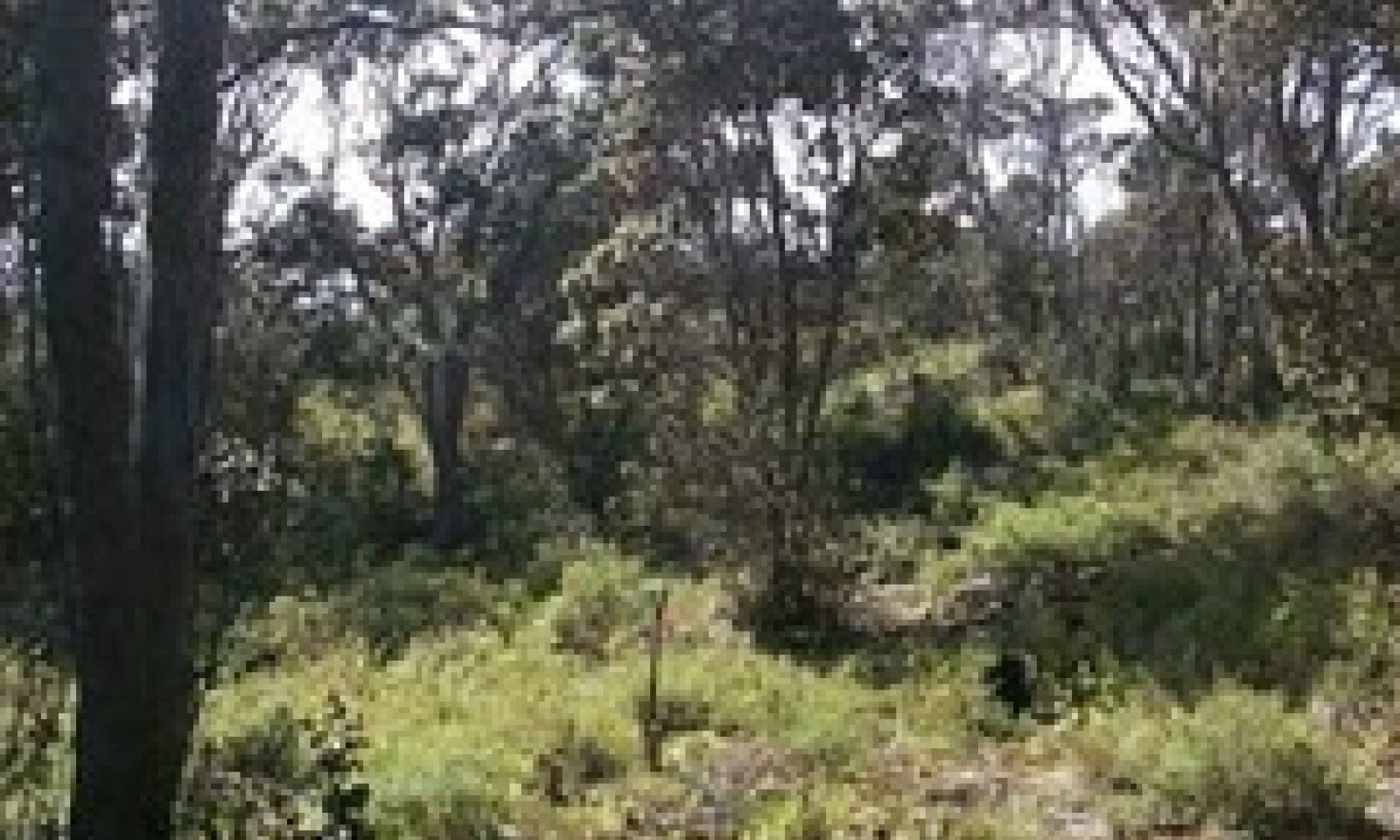
Isomesic Savanna

Scenario model
Current ecosystem state
Select a state
Management practices/drivers
Select a transition or restoration pathway
-
Transition T1A
State 1 Reference transitions to State 2 Grazed and Browsed by reduction or loss of native species due to grazing and browsing by introduced or domestic ungulates and by invasion by introduced plant species.
More details -
Restoration pathway R2A
State 2 Grazed and Browsed may be restored to State 1 Reference by excluding all ungulates. Spot weed removal must be done initially and continued in the long term. Missing native plant species can then be reintroduced.
More details -
No transition or restoration pathway between the selected states has been described
Target ecosystem state
Select a state
State 1
Reference State
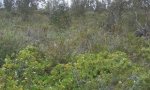
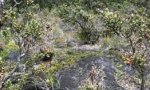
Description
This state consists of one community phase. Much of this ecological site is of marginal value as grazing land. However, disturbance by introduced ungulates results in loss of native species or reductions in their abundance that cause this state to transition to State 2 Grazed and Browsed.
Submodel
State 2
Grazed and Browsed State
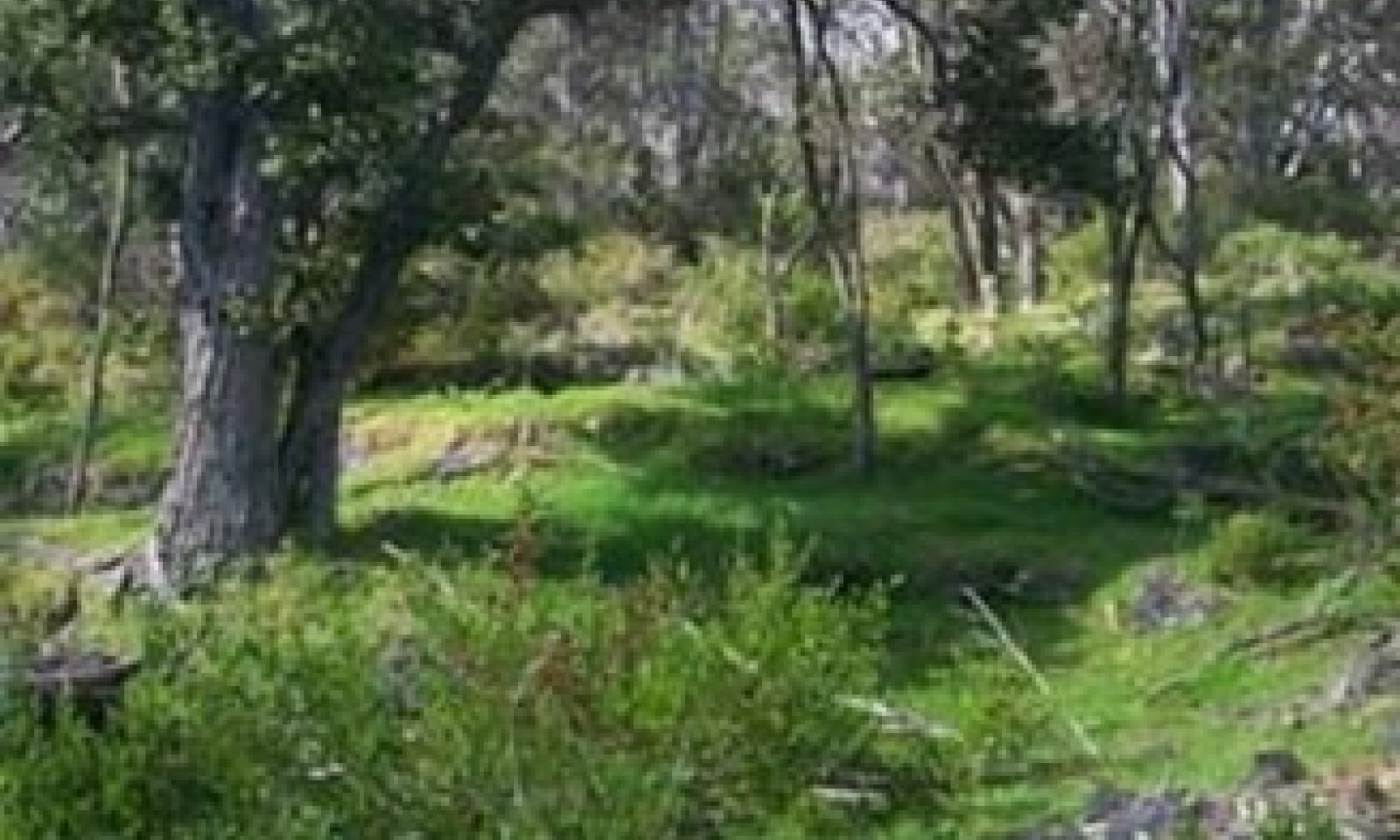
Description
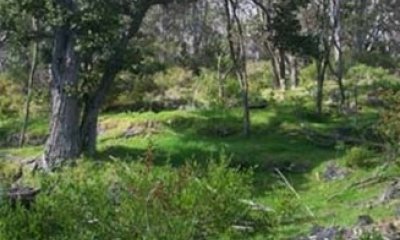
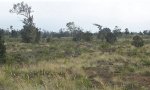
This state consists of one community phase. It resembles the Reference state in structure, but some native plant species have been lost or reduced in abundance. Introduced grasses have replaced native grasses to a great extent, native ferns are much reduced in abundance, and the forb category is greater in diversity, stature, and abundance.
If fountaingrass is abundant, the risk of wildfire is greatly increased. Silk oak may become abundant in some areas, particularly at lower elevations of the ecological site. Introduced vines can be very invasive, covering and killing other vegetation. Invasive vines can be kept in check by sheep, but sheep also graze and browse native vegetation.
Submodel
Mechanism
State 1 Reference transitions to State 2 Grazed and Browsed by reduction or loss of native species due to grazing and browsing by introduced or domestic ungulates and by invasion by introduced plant species.
Mechanism
State 2 Grazed and Browsed may be restored to State 1 Reference by excluding all ungulates. Spot weed removal must be done initially and continued in the long term. Missing native plant species can then be reintroduced.
Model keys
Briefcase
Add ecological sites and Major Land Resource Areas to your briefcase by clicking on the briefcase ( ) icon wherever it occurs. Drag and drop items to reorder. Cookies are used to store briefcase items between browsing sessions. Because of this, the number of items that can be added to your briefcase is limited, and briefcase items added on one device and browser cannot be accessed from another device or browser. Users who do not wish to place cookies on their devices should not use the briefcase tool. Briefcase cookies serve no other purpose than described here and are deleted whenever browsing history is cleared.
Ecological sites
Major Land Resource Areas


The Ecosystem Dynamics Interpretive Tool is an information system framework developed by the USDA-ARS Jornada Experimental Range, USDA Natural Resources Conservation Service, and New Mexico State University.