

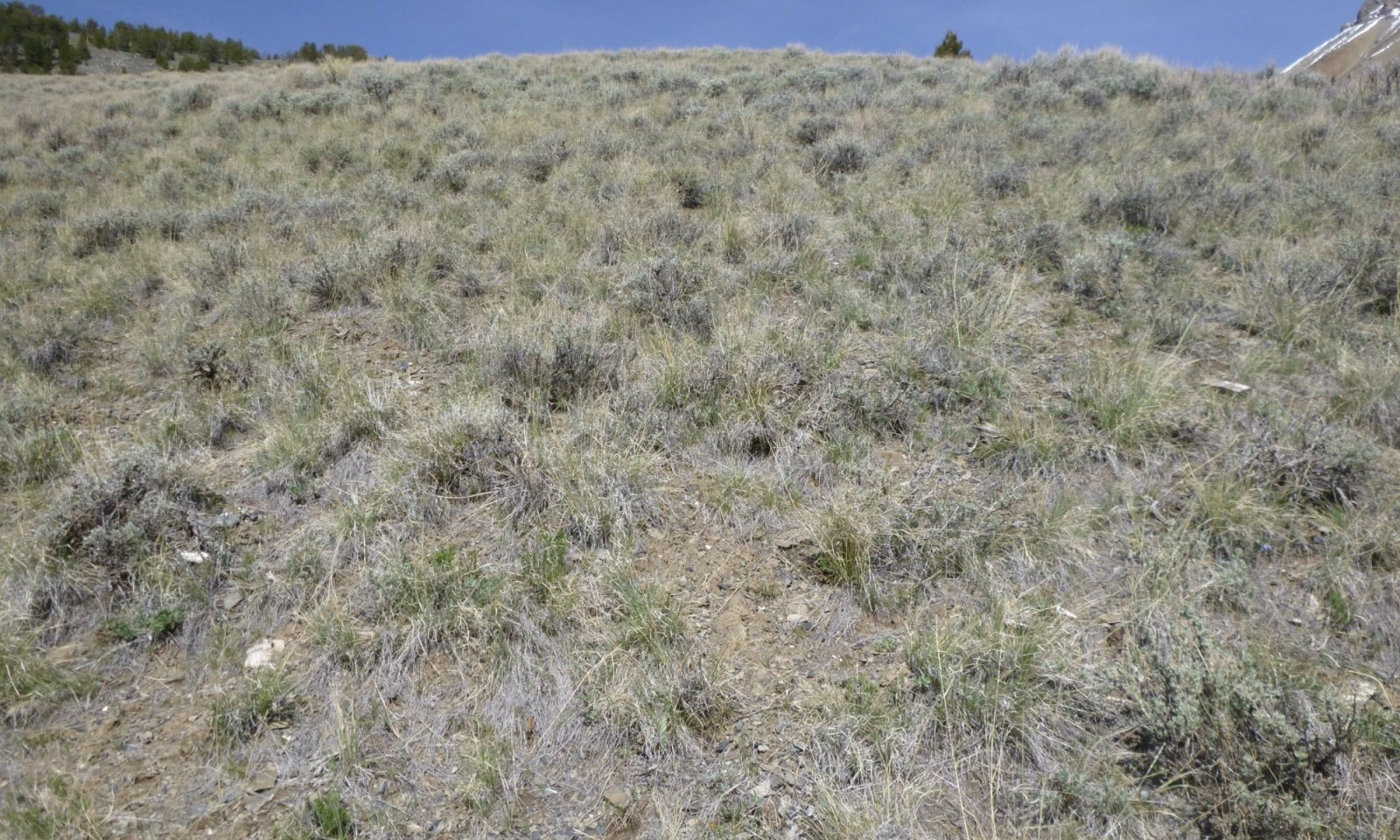
Loamy, Calcareous 20-24 Inch Precipitation Zone Lost River Mountains

Scenario model
Current ecosystem state
Select a state
Management practices/drivers
Select a transition or restoration pathway
- Transition T1A More details
- Transition T1B More details
- Restoration pathway R2A More details
- Restoration pathway R3A More details
-
No transition or restoration pathway between the selected states has been described
Target ecosystem state
Select a state
Description
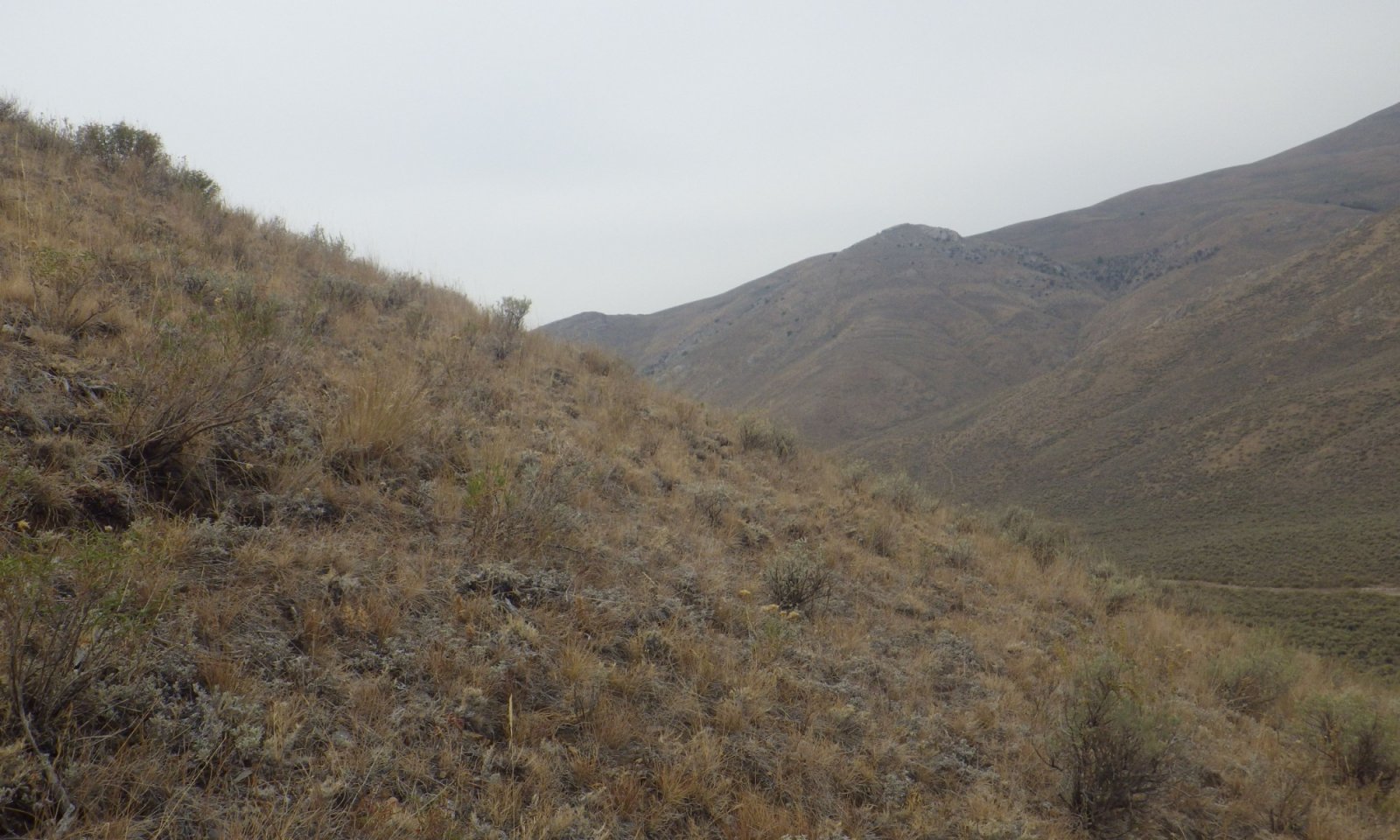
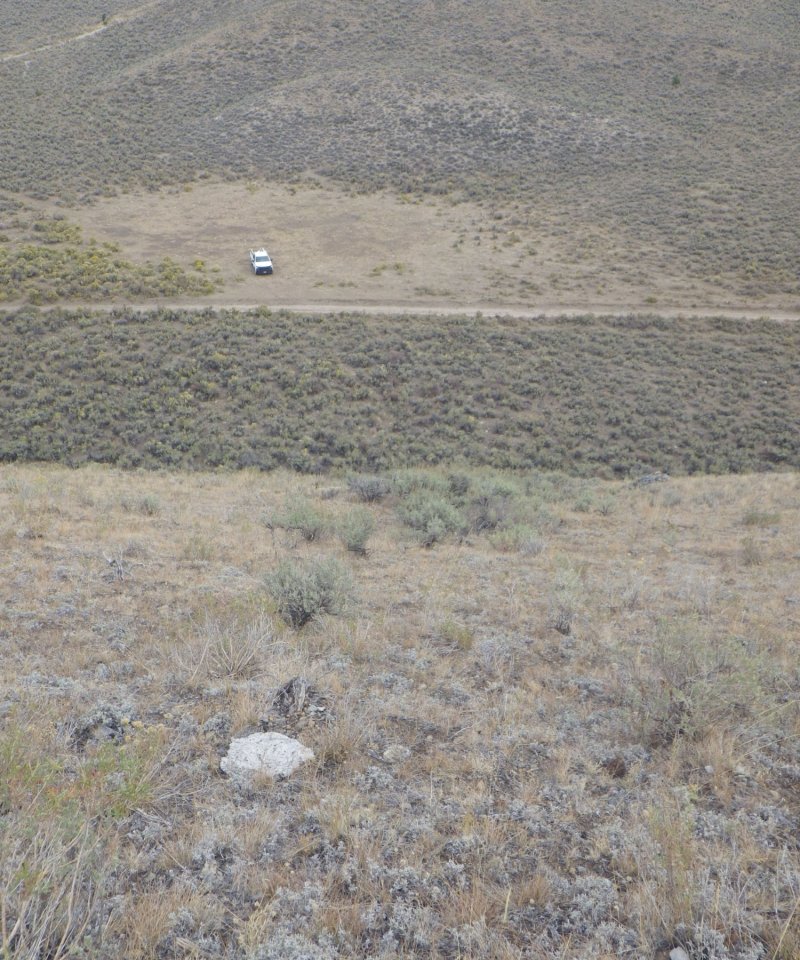
The Reference state consists of three dominant plant communities: The mountain big sagebrush (Artemisia tridentata sp. vasayana)/little sagebrush (Artemisia arbuscula spp. Longiloba) dominated community, a mountain big sagebrush/bluebunch wheatgrass (Pseudoroegneria spicata) dominated community, and a community where the dominant overstory shrub is mountain big sagebrush, and the understory is a mix of bunchgrasses. The greatest difference between the three plant communities is composition and foliar cover of sagebrush (Artemisia) species and understory grass species. Generally, mountain big sagebrush foliar cover increases on sites that are closer to the higher end of the effective precipitation range (15 to 19 inch) or the calcium carbonate concentration in the soil is lower, closer to minimum 15 percent required in the site concept. This community also occurs more often when calcareous soil presence is deeper in the soil profile, closer to a depth of 20 inches (50cm).
Processes (both natural and anthropogenic) that can result in state and community changes include fire, grazing, land use change, and establishment of invasive species (Davies et al., 2011).
Characteristics and indicators
The shift between states (and plant communities) at this site is generally driven by calcium carbonate concentration in soils, effective precipitation, and sagebrush killing disturbances or lack thereof. Historically, low to mixed severity fires occurred at relatively frequent fire return intervals of 10 to 25 years, limiting sagebrush canopy density and creating a mosaic of sagebrush stands and more open grasslands (Knick, Holmes, & Miller, 2005). Exclusion of fire (in conjunction with climate change) increases sagebrush canopy cover and can lead to more severe stand replacing fires, often times at more frequent intervals. These severe fires can drive shifts to grassland communities as well as create opportunities for invasive species establishment (Roadhouse, Irvine, & Bowerstock, 2020; Knick et al., 2005).
Improper grazing practices can also lead to an increase in sagebrush canopy cover and increased risk of severe, stand replacing fire occurrence. Removal of understory grasses can lessen the opportunities for low severity fire occurrence which leads to increased canopy densities and increases potential for severe fire disturbance events (Knick et al., 2005).
Resilience management
This site has moderate resilience as a result of the cryic soil temperature regime and xeric soil moisture regime. Resistance and resilience of a specific site has been attributed with abiotic conditions favorable to plant growth and reproduction (Maestas et al. 2016). Soils that fall within the cryic (cold) temperature regime and xeric (wet) moisture regime tend to have higher diversity and production, and are therefore more resilient, specifically in terms of resisting or recovering from invasion post disturbance (Maestas et al., 2016).
Although little sagebrush is susceptible to fire damage and usually killed by fire events, fire events within these communities are usually rare. These communities generally lack the fine fuels required to carry fire, promoting relatively infrequent fire return intervals (Steinberg, 2002). Mountain big sagebrush is also highly susceptible to damage and mortality from fire events. However, these communities tend to have higher fuel loading and carry fire more easily and frequently than in the little sagebrush communities (Innes, 2017).
Submodel
Description
The Grazed state of the Loamy, Calcareous 20-24 inch ecological site has one major community. The Grazed state is a mechanism of chronic defoliation from grazing pressure by agricultural grazing, natural grazing, or a combination of the two. Transition from the Reference State to the Grazed State occurs when understory grasses of the Reference State, such as Idaho fescue and bluebunch wheatgrass experience chronic defoliation to the point that they are replaced by more grazing tolerant species such as Sandberg bluegrass (Poa secunda) and rhizomatous wheatgrasses. Without managed grazing and rest, it is difficult to restore this state to the reference.
Production in this state is lower and shifts more towards the shrub functional group. This state is also more susceptible to invasive species establishment resulting from removal of Reference State species competition and hoof disturbance to the soil.
Characteristics and indicators
The primary indicator of the Grazed State is a shift in compositional structure of the understory grass species. The bunchgrasses found in the reference state (bluebunch wheatgrass and Idaho fescue) are removed through chronic defoliation and replaced with more grazing tolerant species such as Sandberg bluegrass and rhizomatous wheatgrasses like slender wheatgrass (Elymus trachycaulus). There is often also an increase in invasive species in this state as opportunities for establishment are created as the native species decrease. Soil disturbance from hoof traffic can also increase invasive species recruitment.
Resilience management
The Grazed state is moderately resilient. Most species present in this state are drought tolerant and response to frequent or severe fire varies by plant. Replacement of native vegetation through chronic defoliation from grazing increases opportunities for invasive species to establish. The greater the canopy cover of invasive species, the lower the resilience of the site.
Submodel
Description
The Disturbed state is a result of both natural and anthropogenic disturbance events that result in widespread sagebrush mortality at a given site. The primary natural disturbance resulting in sagebrush mortality at this ecological site is wildfire; however, flooding, intense freeze events, and insect and disease can also occur. Mountain big sagebrush is highly susceptible to stand replacing fires and often experiences complete canopy loss during moderate and severe wildfire events (Innes, 2017 & Tirmenstein, 1999).
Because this LRU exists primarily on publicly managed lands (US Forest Service, Bureau of Land Management, and State), widespread anthropogenic disturbance events are infrequent. Examples of anthropogenic disturbance events include brush management through sagebrush mowing or removal treatments, chemical treatments, or improper grazing techniques that result in high intensity hoof disturbance.
A combination of natural and anthropogenic disturbance is possible and can result in increased severity of disturbance, decreased resilience, and greater difficulty returning to the Reference State. For example, improper grazing practices post fire disturbance can increase bare ground cover, increase erosion potential, and slow the reestablishment of grass species that preclude the return of overstory sagebrush canopy (Zlatnik, 1999).
Characteristics and indicators
The primary indicator of the Disturbed state is a near complete loss of overstory sagebrush species, often replaced by shrub species that are able to take advantage of the local disturbance regime. Common replacement species include Artemisia tripartita (threetip sagebrush) and Chrysothamnus viscidiflorus (yellow rabbitbrush). A shift towards an increase in native and disturbance tolerant grasses and forbs is likely with the removal of resource competition associated with the sagebrush overstory presence. Severe disturbance events also increase the opportunity for invasion of annual grasses and weeds such as cheatgrass (Bromus tectorum) and thistle species. The canopy cover percentage of these species is usually dependent on distance of a seed source post disturbance, but mostly stays under five percent (Zlatnik, 1999).
Resilience management
Resilience in this state is moderate. Many of the post disturbance grasses and shrubs that are common in this state establish quickly and reach a representative canopy within 10 years post disturbance. Grasses and shrubs continue to increase until overstory canopy of sagebrush begins to return. However, local resilience in this state is highly dependent on current soil moisture availability, seed sources, timing and severity of the disturbance. In the instance of fire disturbance, bluebunch wheatgrass mortality can be significantly lower if the fire occurs in the spring as opposed to fall. Recovery can be impacted by quantity of immediate post fire precipitation (Zlatnik, 1999).
More severe disturbances increase possibility of post disturbance invasion. The greater the establishment of invasives, the lower the site resilience becomes.
Submodel
Mechanism
Transition from the Reference state to the Grazed state is a mechanism of intensive grazing practices that result in chronic defoliation of the understory vegetation. Overtime, species like bluebunch wheatgrass and Idaho fescue are not able to recover from defoliation and total canopy cover of that species will decrease on a site. In the absence of these species, grazing tolerant plants such as Sandberg bluegrass will increase in canopy cover and production. Remaining bluebunch wheatgrass and Idaho Fescue will be concentrated under the overstory shrub cover.
Constraints to recovery
Constraints to recovery include:
o Continued improper grazing techniques that result in chronic defoliation of vegetation
o Prolonged periods of drought that diminish regeneration of desired species
o Loss of nutrient rich top soil due to increased erosion
o Establishment of invasive species
Context dependence
Restoration efforts can be greatly influenced by precipitation patterns. Successful regeneration of Reference state understory species is highly dependent on moisture received post restoration efforts. Rates of successful establishment of Idaho fescue and bluebunch wheatgrass increase when available moisture is high during critical regeneration periods (Zlatnik, 1999 & Howard, 1997).
Mechanism
Transition from the Reference state to the Disturbed state is a mechanism of frequent or severe disturbances that remove the overstory shrubs on a given site. The most common disturbance that results in the loss of the shrub overstory is high intensity fire. Mountain big sagebrush is sensitive to all but the lowest severity fire, generally resulting in stand replacement. Since 1900, fire exclusion and removal of fine fuels through grazing has increased fire return intervals and increased the likelihood of more severe fire events that are often stand destroying (Gucker, 2006).
Constraints to recovery
Constraints to recovery include:
o Frequent disturbances before recovery has completed
o Prolonged periods of drought that diminish regeneration of desired species
o Loss of nutrient rich top soil due to increased erosion
o Establishment of invasive species
o Distance from seed source
Mechanism
The primary mechanism for restoration from the Grazed state to the Reference state is rest from grazing. Reference State grasses such as bluebunch wheatgrass and Idaho fescue will not be able to re-establish while grazing pressure continues. Seeding of desired species may speed up the restoration process.
Context dependence
Time frame for restoration is highly dependent on variations in localized weather patterns. Prolonged periods of drought can dramatically increase time required to return to the Reference State, whereas periods of above normal precipitation can decrease that time frame.
Grazing practices that are infrequent and of light intensity, mimicking natural historic grazing patterns will not impact the restoration pathway. However, continuous early season grazing at moderate to high intensity resulting in significant defoliation will perpetuate the Grazed State.
Mechanism
Restoration from the Disturbed state to the Reference state is a mechanism of time without stand destroying disturbance. Once the shrub overstory has been removed, replacement seedlings will need to reach maturity without any further disturbances.
Context dependence
Restoration is highly dependent on time without disturbance. New sagebrush seedlings are moderately sensitive to disturbances such as flood, freeze, and insect and disease. They are highly sensitive to herbivory and even low severity fire events (Fryer, 2009 & Steinberg 2002).
Seeding and planting of desired species can speed up the restoration process, however; regeneration success with or without planting is highly dependent on localized weather patterns during the restoration period. Periods of drought will slow the process significantly, whereas periods of above normal precipitation aid in sagebrush regeneration and establishment (Innes, 2017; Steinberg 2002 & Fryer, 2009).
Model keys
Briefcase
Add ecological sites and Major Land Resource Areas to your briefcase by clicking on the briefcase ( ) icon wherever it occurs. Drag and drop items to reorder. Cookies are used to store briefcase items between browsing sessions. Because of this, the number of items that can be added to your briefcase is limited, and briefcase items added on one device and browser cannot be accessed from another device or browser. Users who do not wish to place cookies on their devices should not use the briefcase tool. Briefcase cookies serve no other purpose than described here and are deleted whenever browsing history is cleared.
Ecological sites
Major Land Resource Areas


The Ecosystem Dynamics Interpretive Tool is an information system framework developed by the USDA-ARS Jornada Experimental Range, USDA Natural Resources Conservation Service, and New Mexico State University.