

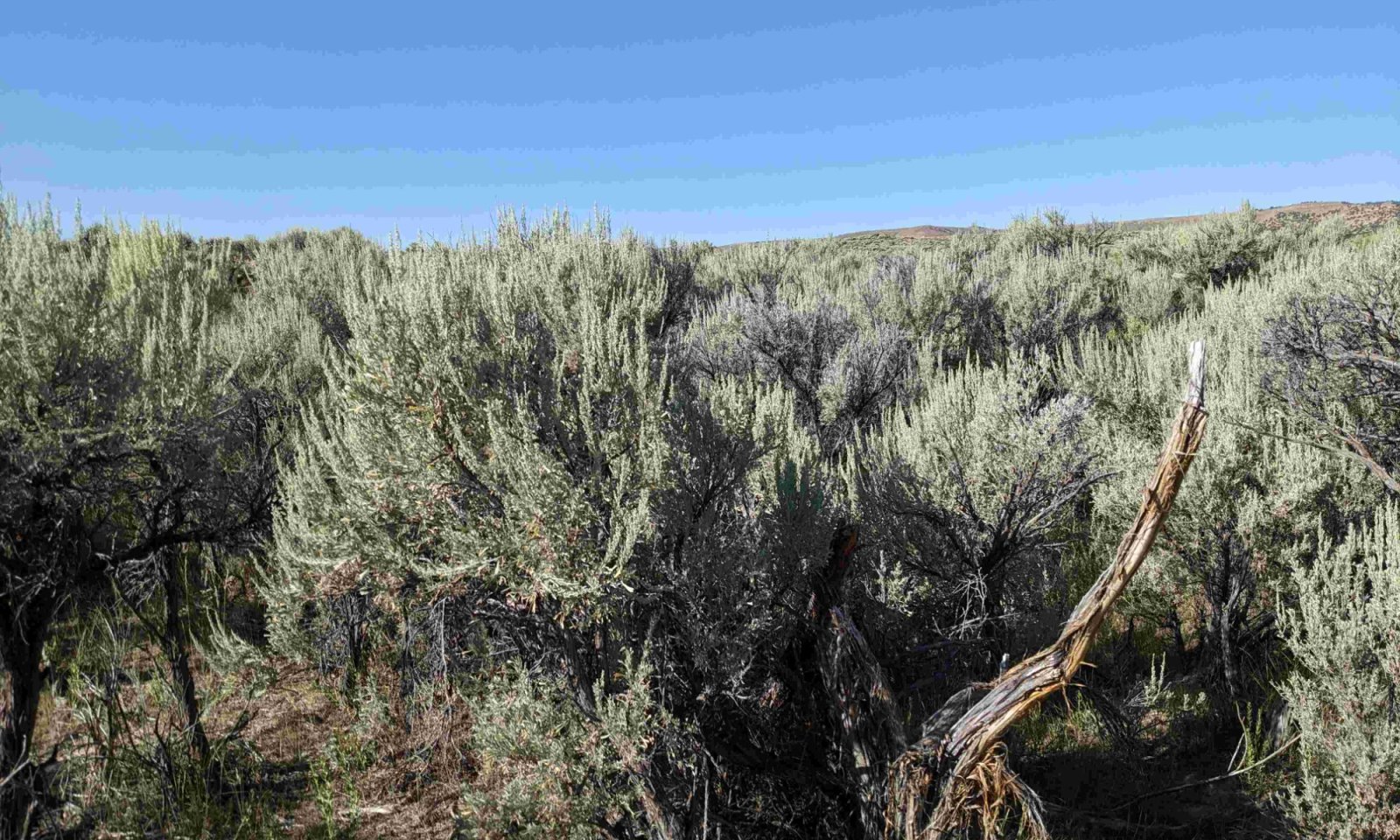
Overflow Green River Basin (Ov GRB)

Scenario model
Current ecosystem state
Select a state
Management practices/drivers
Select a transition or restoration pathway
- Transition T1A More details
- Transition T1B More details
- Restoration pathway R1A More details
- Transition T2A More details
- Restoration pathway R2B More details
- Restoration pathway R2A More details
-
No transition or restoration pathway between the selected states has been described
Target ecosystem state
Select a state
Description
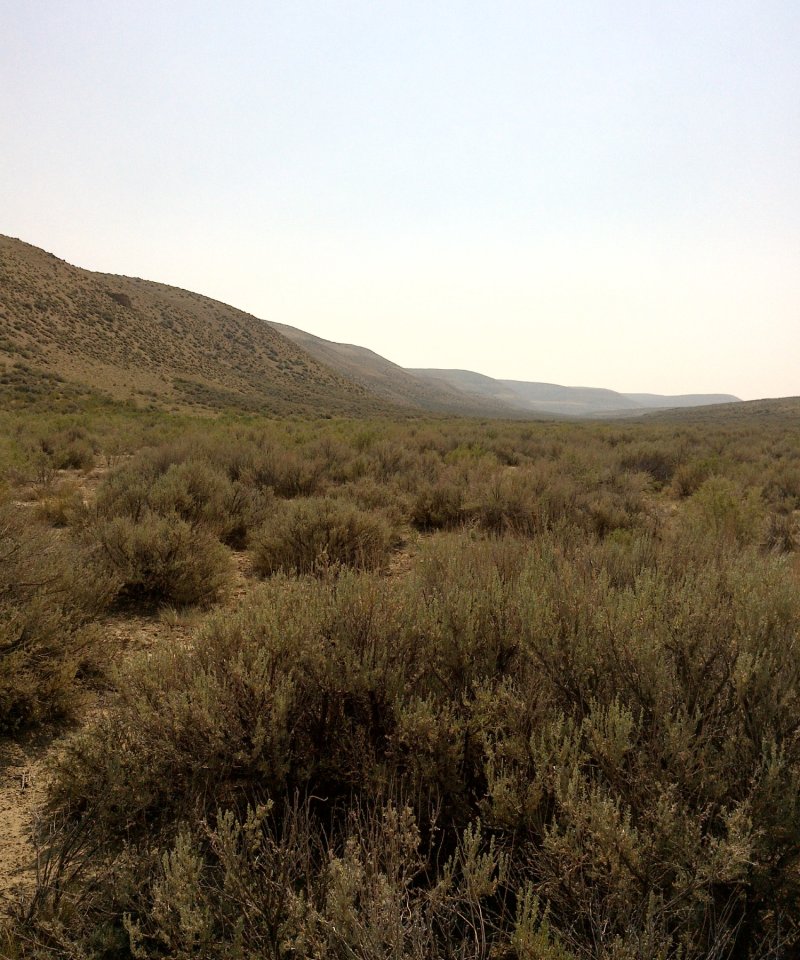
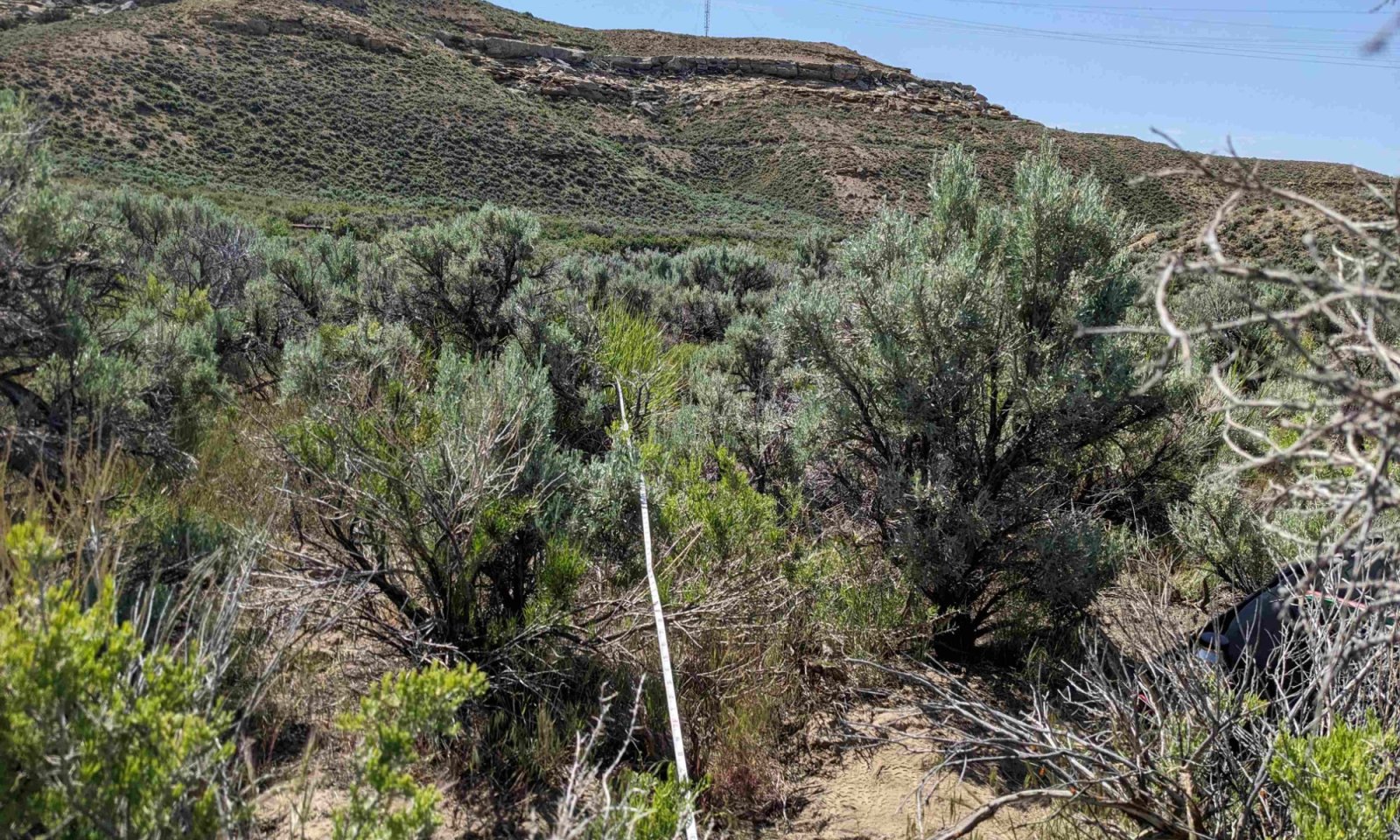
The Reference state consists of three plant communities: the Basin Big Sagebrush and Basin Wildrye community (1.1), the Basin Wildrye and Basin Big Sagebrush community (1.2), and the Basin Wildrye plant community (1.3). Each plant community differs in percent composition and foliar cover of grasses and shrubs. Forbs are a minor component. The basin wildrye plant community (1.3) is the early seral stage of this state. Basin big sagebrush later establishes leading to the mid seral stage (1.2) where basin wildrye is still dominant, but basin big sagebrush may become codominant with basin wildrye in terms of production. In the late seral stage of this state, basin big sagebrush becomes the dominant plant species (1.1). Drivers of these plant communities include: drought, fire, herbivory, and flood. To reach reference plant community (1.1), this ecological site must endure sufficient time without sagebrush killing events such as fire and flood.
Submodel
Description
This state develops as a result of continuous grazing by wildlife and domestic livestock. Dominant grasses include thickspike wheatgrass and Sandberg bluegrass. Basin big sagebrush has increased, with annual production often exceeding 40 percent. Rubber and yellow rabbitbrush may occur but typically do not exceed 20 percent combined. The total annual production (air-dry weight) of this state is about 600 pounds per acre, but it can range from about 400 pounds per acre in unfavorable years to about 1400 pounds per acre in above average years. The state is moderately stable and somewhat vulnerable to excessive erosion. The biotic integrity of this plant community is usually intact. However, this state can be at risk depending on how far a shift has occurred in plant composition toward basin big sagebrush. The watershed is usually functioning. However, it can become at risk when canopy cover of big sagebrush and/or bare ground increases.
Brush Management followed by deferment for 1 to 2 years as part of a Prescribed Grazing plan will eventually result in a plant community very similar to the reference plant community (Basin Big Sagebrush and Basin Wildrye State). Care should be taken when planning brush management to consider wildlife habitat and critical winter ranges. Wildfire followed by heavy continuous season-long grazing will result in the invaded state.
Submodel
Description
This state results from excessive grazing, fire, flooding, or a combination of these events. Such events lead to erosion and soil disturbance which causes invasive plants such as cheatgrass and annual mustard to establish on the site. Basin wildrye may occur on this site, but thickspike wheatgrass and/or cheatgrass are usually dominant.
Submodel
Mechanism
Continuous grazing
Context dependence
A transition to the grazing resistant state depends on severity of grazing, land form, flooding, and fire. Narrow channels are usually more desirable to wildlife and livestock than surrounding upland areas, so these areas are grazed more intensely. Native bunchgrasses will be utilized quickly. Continuous grazing without rest will allow thickspike wheatgrass to increase. Additionally, basin big sagebrush in narrow channels is more susceptible to die off from flooding. Larger areas such as floodplains are still desirable to livestock and wildlife, but shrubs are less susceptible to die off from flood.
Mechanism
Resting from grazing will allow perennial bunchgrasses to reestablish on this site. If the site is to be grazed while in the grazing resistant state, a rotational grazing plan that allows for long periods of rest is recommended.
Context dependence
Restoration to reference state depends on severity of grazing, land form, flooding, and fire. In narrow channels, native shrubs and bunchgrasses may be harder to restore because these areas are grazed more intensely than nearby upland areas. Restoration of shrubs after fire and flooding events is less likely in narrow channels if these areas are continuously grazed by livestock and wildlife. In larger areas such as floodplains, restoration is more likely to succeed as long as the area is rested from grazing.
Mechanism
Continuous grazing or continuous grazing following a fire or flood event
Context dependence
Continuous grazing without rest will cause this site to transition from the grazing resistant state to the invaded state. Severity of grazing and compaction will determine how quickly invasive annuals such as cheatgrass establish on this site. Grazing without rest after fire or flood events may cause invasive annuals to establish rapidly.
Mechanism
Rest from grazing, herbicide treatment, prescribed fire, reseeding
Context dependence
Severity of grazing and compaction will determine how quickly shrubs and perennial bunchgrasses can reestablish. In some cases, annual grasses and undesirable forbs may completely dominate the site. Inputs such as herbicide treatment, prescribed fire, and reseeding may be necessary to return this site to the reference state. Reseeding after fire or herbicide treatment will increase the likelihood of returning to the reference state.
Mechanism
Rest from grazing, herbicide treatment, reseeding
Context dependence
Severity of grazing and compaction will determine how quickly shrubs and perennial bunchgrasses can reestablish. In some cases, annual grasses and undesirable forbs may completely dominate the site. Inputs such as herbicide treatment or prescribed fire may be necessary to return the state to the grazing resistant state, which will eventually return to the reference state.
Model keys
Briefcase
Add ecological sites and Major Land Resource Areas to your briefcase by clicking on the briefcase ( ) icon wherever it occurs. Drag and drop items to reorder. Cookies are used to store briefcase items between browsing sessions. Because of this, the number of items that can be added to your briefcase is limited, and briefcase items added on one device and browser cannot be accessed from another device or browser. Users who do not wish to place cookies on their devices should not use the briefcase tool. Briefcase cookies serve no other purpose than described here and are deleted whenever browsing history is cleared.
Ecological sites
Major Land Resource Areas


The Ecosystem Dynamics Interpretive Tool is an information system framework developed by the USDA-ARS Jornada Experimental Range, USDA Natural Resources Conservation Service, and New Mexico State University.