

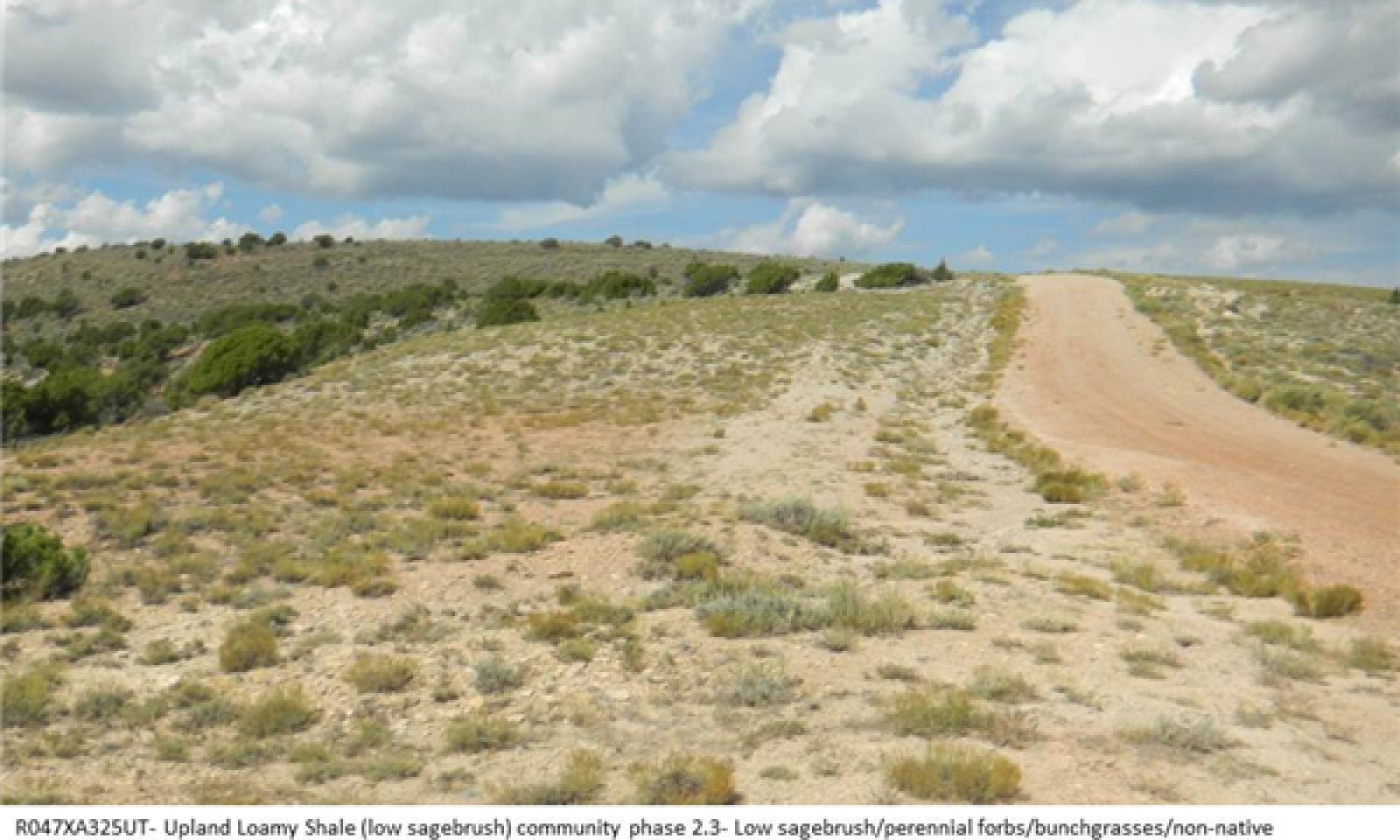
Upland Loamy Shale (low sagebrush)

Scenario model
Current ecosystem state
Select a state
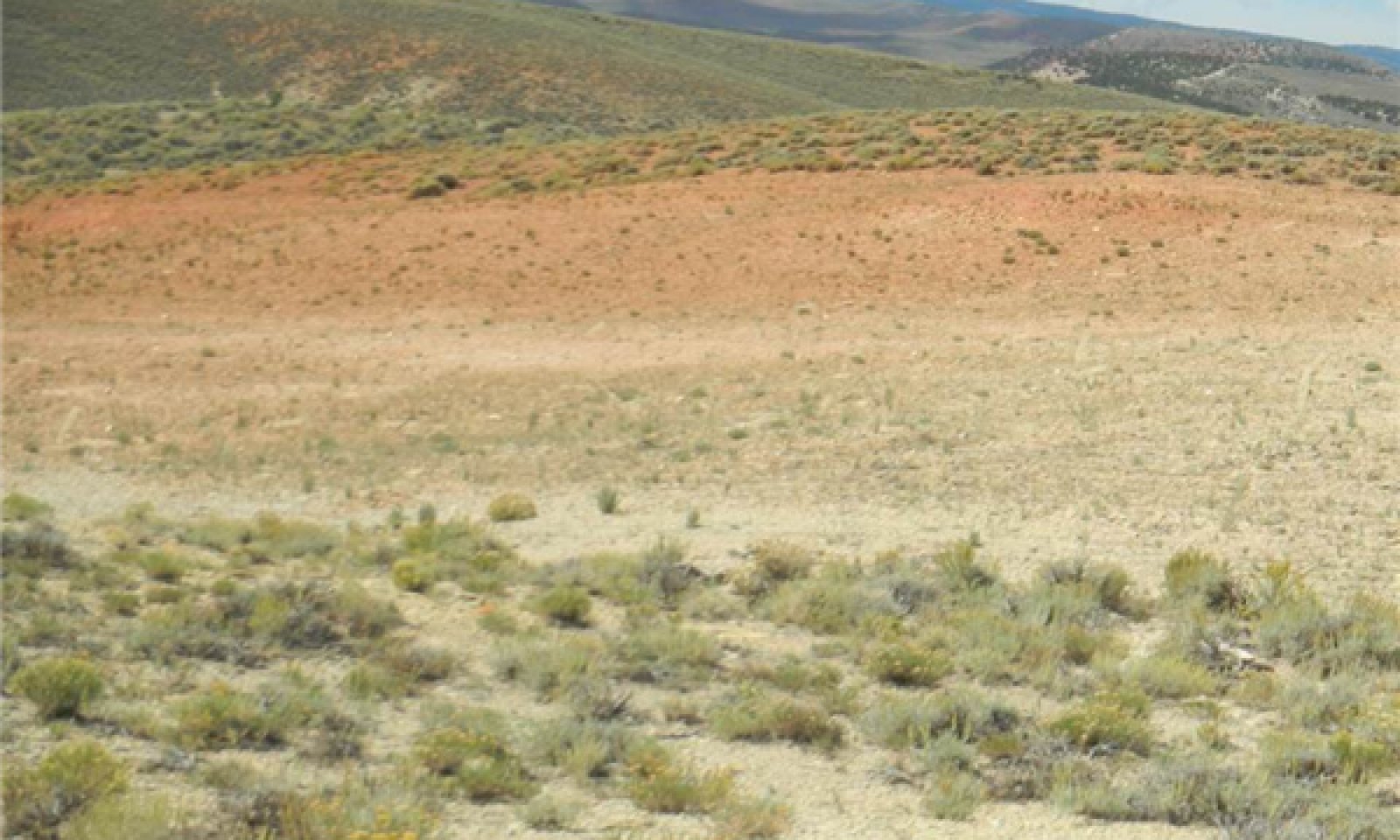
Management practices/drivers
Select a transition or restoration pathway
-
Transition T1a
introduction of exotic species
More details -
Transition T2a
evere ground disturbance/mechanical damage caused by excessive foot or wheel traffic, followed by accelerated soil erosion
More details -
Transition T2b
evere ground disturbance/mechanical damage caused by excessive foot or wheel traffic, followed by accelerated soil erosion
More details -
Transition T3a
increased soil erosion
More details -
No transition or restoration pathway between the selected states has been described
Target ecosystem state
Select a state
Description
The Reference State is a description of this ecological site prior to Euro-American settlement but long after the arrival of Native Americans. The description of the Reference State was determined by NRCS Soil Survey Type Site Location information and familiarity with rangeland relict areas where they exist. The least modified plant community (1.1) within the Reference State would have been a low sagebrush (Artemisia arbuscula spp. arbuscula) -dominated shrubland with sparse bunchgrasses and native perennial forbs. The understory of the reference plant community (1.1) would have been dense enough to carry wildfire only rarely (Steinberg 2002). Low sagebrush typically only occurs after wet years or on more mesic sites (Steinberg 2002). Following natural wildfire events (1.1a) the reference plant community would have shifted towards one dominated by mixed grasses (1.2). Low sagebrush would have been much reduced and yellow rabbitbrush (Chrysothamnus viscidiflorus) would have increased. In the absence of fire (1.2a) and with a viable shrub seed source, low sagebrush would have increased, and the site would have slowly returned to the reference plant community. Heavy grazing (1.1b) would have created a dominance of low sagebrush with a much reduced understory (1.3). A fire occurring in 1.3 could cause the community to shift back to 1.2 (1.3a), this would have allowed the bunchgrasses and perennial forbs to re-establish, which could then shift the plant community back towards the reference plant community (1.1) from 1.2. A more complete list of species by lifeform for the Reference State is available in the accompanying tables in the “Plant Community Composition by Weight and Percentage” section of this document.
Submodel
State 2
Low Sagebrush/ Introduced Non-natives State
Description
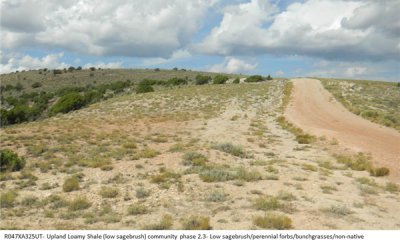
State 2 is very similar to State 1 in form and function, with the exception of the presence of non-native plants and animals, possible extinctions of native species, and a different climate. The fire return interval is also altered in State 2. Although fires occur rarely, the ecological sites typically found in association with this site may have longer fire return intervals, allowing Utah juniper to establish within these sites. The juniper is then able to establish within the low sagebrush site (2.3). Utah juniper is found in this state, but is not dominant. State 2 is a description of the ecological site shortly following Euro-American settlement. This State can be regarded as the current potential. This site is typically found with few invasive species. It takes excessive disturbance to move this this site from State 2. This is probably due to the soil characteristics of the site which include high rock content to shallow bedrock. There is not much soil for plants to occupy in this site. Those that do well in this site are typically low growing forbs and bunch grasses. These appear to occupy the soil, making it more difficult for non-native or invasive species to establish.
Submodel
Description
Certain invasive annuals and biennial forbs such as cheatgrass, Russian thistle, and halogeton are favored by soil disturbance.
Although there have been some previous attempts to apply tillage and chemicals to improve the composition and productivity at some locations within this ESD (see files in the State Range Conservationist Office for details), the responses are too minor to justify the financial investment. Therefore, currently available manipulations are not recommended.
Submodel
Description
This is a distrophicated (lacking nutrients) State characterized by a truncated soil profile and impoverished vegetation. Soil organic matter and nutrient stores have been lost due to excessive soil erosion. Only those plants resistant to mechanical impacts and nutrient-depleted soils remain.
As with State 3, although there have been some previous attempts to apply tillage and chemicals to improve the composition and productivity at some locations within this ESD (see files in the State Range Conservationist Office for details), the responses are too minor to justify the financial investment. Therefore, currently available manipulations are not recommended.
Submodel
Mechanism
The simultaneous introduction of exotic species, both plants and animals, along with climate change, caused State 1 to transition to State 2. Reversal of such historic changes (i.e. a return pathway) back to State 1 is not practical.
Transition T2a
Mechanism
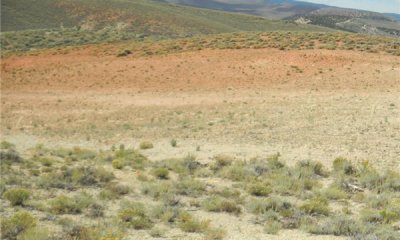
The Low Sagebrush/ Introduced Non-natives State will transition to the Cushion Plants/Eroded State following severe ground disturbance/mechanical damage caused by excessive foot or wheel traffic, followed by accelerated soil erosion. The approach to this transition is indicated by an increase in exposed bare soil and evidence of soil erosion (i.e. pedestalling of plants and/or surface rock, rilling). This transition is triggered by severe ground disturbance.
Mechanism
The Low Sagebrush/ Introduced Non-natives State will transition to the Cushion Plants/Eroded State following severe ground disturbance/mechanical damage caused by excessive foot or wheel traffic, followed by accelerated soil erosion. The approach to this transition is indicated by an increase in exposed bare soil and evidence of soil erosion (i.e. pedestalling of plants and/or surface rock, rilling). This transition is triggered by severe ground disturbance.
Mechanism
The Introduced Annuals/Biennials State will transition to the Cushion Plants/Eroded State when the site is exposed to increased soil erosion. The approach to this transition is indicated by an increase in exposed bare soil and evidence of soil erosion (i.e. pedestalling of plants and/or surface rock, rilling) and an increase in species capable of tolerating severe ground disturbance and erosion such as curlytop gumweed (Grindelia squarrosa) and cushion plants (e.g. Phlox spp., Leptodactylon spp., Stenotus acaulis). The transition is triggered by accelerated soil erosion.
Although there have been some previous attempts to apply tillage and chemicals to improve the composition and productivity at some locations within this ESD (see files in the State Range Conservationist Office for details), the responses are too minor to justify the financial investment. Therefore, currently available manipulations are not recommended.
Model keys
Briefcase
Add ecological sites and Major Land Resource Areas to your briefcase by clicking on the briefcase ( ) icon wherever it occurs. Drag and drop items to reorder. Cookies are used to store briefcase items between browsing sessions. Because of this, the number of items that can be added to your briefcase is limited, and briefcase items added on one device and browser cannot be accessed from another device or browser. Users who do not wish to place cookies on their devices should not use the briefcase tool. Briefcase cookies serve no other purpose than described here and are deleted whenever browsing history is cleared.
Ecological sites
Major Land Resource Areas


The Ecosystem Dynamics Interpretive Tool is an information system framework developed by the USDA-ARS Jornada Experimental Range, USDA Natural Resources Conservation Service, and New Mexico State University.