Ecological dynamics
The Wet Subirrigated site developed under Central Great Plains climatic conditions, light to severe grazing by bison and other large herbivores, sporadic natural or man caused wildfires, and other biotic and abiotic factors which typically influence soil/site development. This continues to be a disturbance driven site, by herbivory, fire, local hydrology, and variable climate. Changes occur in the plant communities due to weather variations, changes in the local hydrological cycle, impacts of native and/or exotic plant and animal species, and management actions.
The majority of this site has been impacted agricultural practices, both through soil disturbance and the accumulation of chemically contaminated runoff. A significant portion of the remaining acres have been degraded by season long continuous grazing by domestic livestock. This management practice causes the repeated removal of the growing point and excessive defoliation of the leaf area of individual warm-season, tall grasses. The resulting reduction of the ability of the plants to harvest sunlight depletes the root reserves, subsequently decreasing the root mass. This negatively impacts the ability of the plants to compete for life sustaining nutrients, resulting in declining vigor and eventual mortality. The space created in the vegetative community is then occupied by a species that evades the negative grazing impacts by a growing season adaptation such as a cool season, shorter structure, or a reduced palatability mechanism.
The State and Transition Model (STM) is depicted below and includes a Reference State (1), a Native/Invaded Grass State (2), a Sod-busted State (3), and an Invaded Woody State (4). Each state represents the crossing of a major ecological threshold due to alteration of the functional dynamic properties of the ecosystem. The main properties observed to determine this change are the soil and vegetative communities and the hydrological cycle. The STM illustrates the common plant communities that can occur on the site and the transition pathways between communities (Bestelmeyer, 2010). The ecological processes will be discussed in more detail in the plant community descriptions following the diagram.
Each state may have one or more vegetative communities which fluctuate in species composition and abundance within the normal parameters of the state. Within each state, communities may degrade or recover in response to natural and man caused disturbances such as variation in the degree and timing of herbivory, presence or absence of fire, and climatic and local fluctuations in the precipitation regime.
Interpretations are primarily based on the Reference State and have been determined by study of rangeland relic areas, areas protected from excessive disturbance, and areas under long term rotational grazing regimes. Trends in plant community dynamics have been interpreted from heavily grazed to lightly grazed areas, seasonal use pastures, and historical accounts. Plant communities, states, transitional pathways, and thresholds have been determined through similar studies and experience.
State 1
Reference State
The Reference State (1) describes the range of vegetative community phases that occur on the Wet Subirrigated ecological site where the natural processes are mostly intact. The Reference Community (1.1) is a representation of the native plant community phase that occupies a site that has been minimally altered by management. Due to differences in hydrology resulting in different periods and degrees of surface inundation, this site harbors a distinctive inclusion in some of the reference communities. The more water tolerant vegetative community expressed in these inclusions can be described asan herbaceous wetland zone or wet meadow zone while the tall grass wet meadow zone is composed of tall grass prairie species. The boundary between the two communities is dynamic and driven by local hydrology. The Degraded Native Grass (1.2), the At-Risk (1.3), and the Excessive Litter (1.4) Communities are the phases that result from management decisions that are unfavorable for a healthy Reference Community (1.1). High perennial grass cover and production allow for increased soil moisture retention, vegetative production, and overall soil quality.
Community 1.1
Reference Community
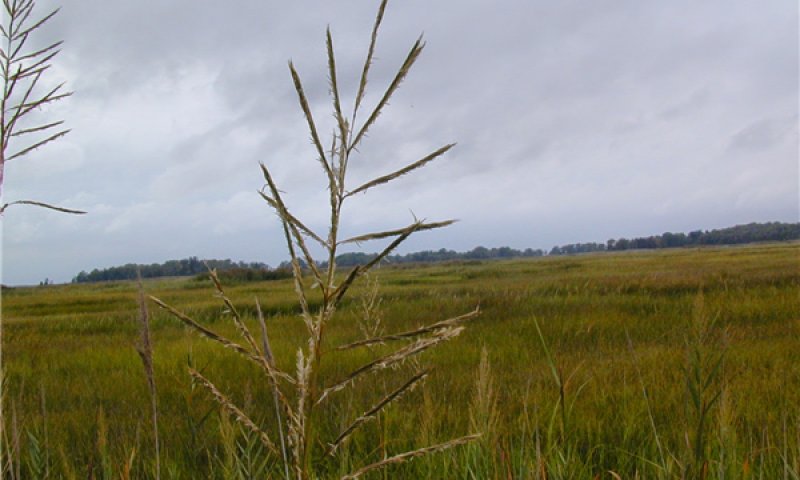
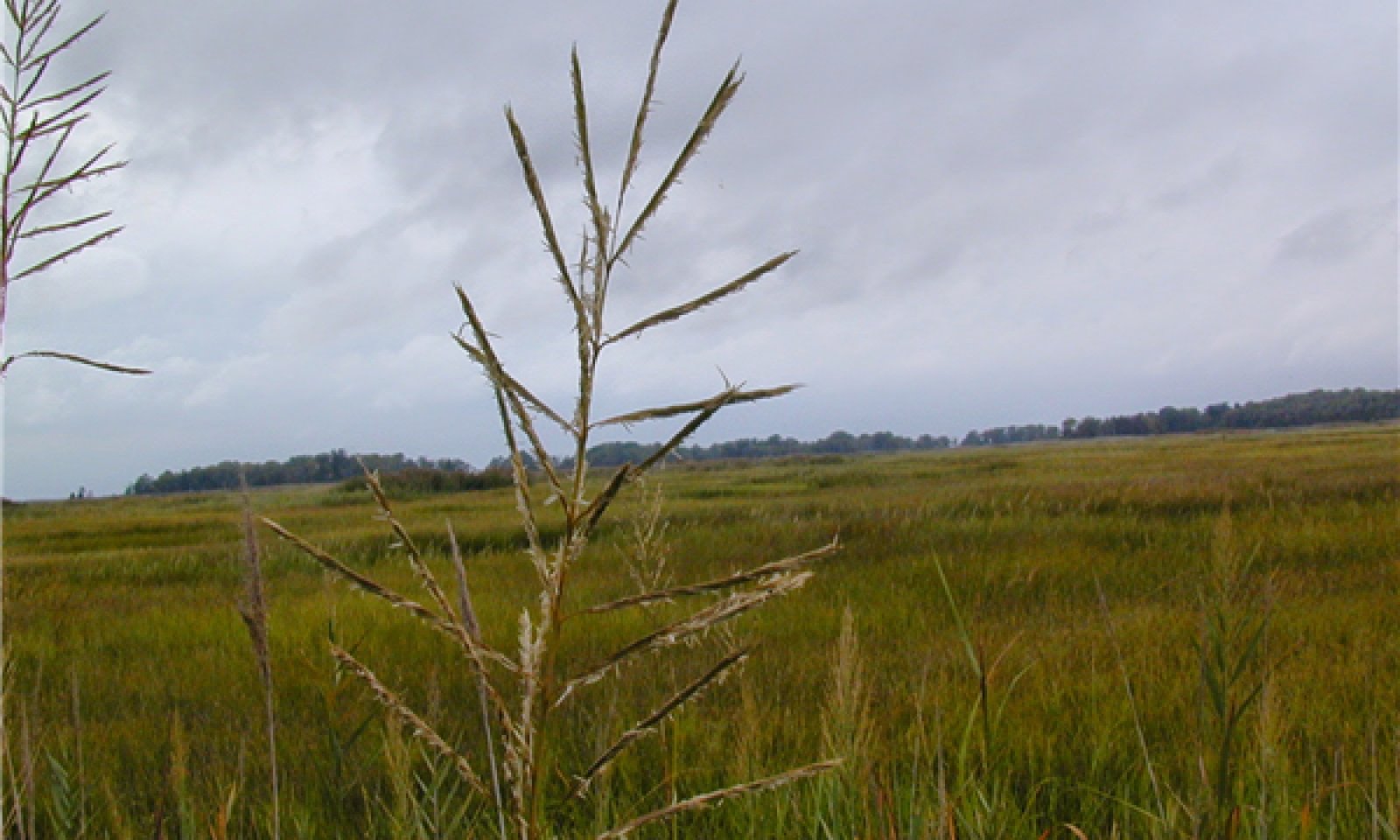
Figure 10. Wet Subirrigated ecological Site. Reference Community (1.1) in MLRA 106.
The Reference or Native Tallgrass Meadow Community (1.1) serves as a description of the native plant community that naturally occurs on the site when the natural disturbance regimes are intact or closely mimicked by management practices. This phase is dynamic, with fluid relative abundance and spatial boundaries between the dominant structural vegetative groups. These fluctuations are primarily driven by different responses of the species to changes in precipitation timing and abundance, hydrology, and fire and grazing events. The potential vegetation consists of approximately 70 to 85 percent grasses and grass-likes, 5 to15 percent forbs, and 0 to 5 percent shrubs.
The Reference Community (1.1) includes two zones, the wetland meadow zone and the tall grass meadow zone. The wetland meadow zone is subject to ponding and has a water table that is near the surface throughout the growing season. The wetland meadow zone is dominated by prairie cordgrass, bluejoint, grass-likes, and forbs that can withstand a higher water table and ponding. The tall grass meadow zone is not subject to ponding and has a slightly deeper water table. The tall grass meadow zone is dominated by warm-season tall grasses including prairie cordgrass, big bluestem, Indiangrass, and switchgrass. Both zones have a diverse forb population. The boundary between the two zones is somewhat dynamic and the boundary fluctuates from year to year due to annual differences in the depth and duration of ponding and changes in the seasonal water table.
The Reference Community (1.1) is highly productive, diverse, and resistant to short term stresses such as drought and short periods of heavy stocking. The well-developed root systems support resiliency when allowed adequate recovery periods between grazing events. When exposed to long term or frequent over grazing events without adequate recovery time (deferment), this plant community will degrade. Grazing during wet periods can cause excessive soil compaction, and lead to hummocking.
The average annual vegetative production of the tall grass meadow zone varies from 4,000 lbs per acre in the northern portion of the MLRA to 8,000 in the southern portion.
| Jan |
Feb |
Mar |
Apr |
May |
Jun |
Jul |
Aug |
Sep |
Oct |
Nov |
Dec |
| J |
F |
M |
A |
M |
J |
J |
A |
S |
O |
N |
D |
Community 1.2
Degraded Native Grass Community
The Degraded Native Grass Community (1.2) develops with management strategies that do not provide adequate growing season recovery from defoliation including continuous, season long grazing or haying multiple times during the growing season. Prairie cordgrass, big bluestem, switchgrass, and Indiangrass lose productive capacity through loss of vigor and reproductive potential. Native cool-season grasses and grass-likes increase. In the drier zone of the site, little bluestem and sideoats grama also increase. Smooth brome, Kentucky bluegrass, and other introduced cool-season grasses may be present in trace amounts.
Subirrigation of the deep-rooted tall grasses on this site helps to sustain those species but degradation of the vegetative community is apparent. This community phase signals a significant loss of production. The composition of the forb component remains diverse but the potential for encroachment by invasive woody species becomes more likely, due to fewer deep-rooted species and a reduced fuel load to carry fire.
This shift occurs with management strategies that include continuous, season long grazing, rotational grazing with inadequate growing season recovery time (deferment) or haying without adequate recovery time. While this plant community is less productive and less diverse than the representative plant community, it remains sustainable in regard to site and soil stability, watershed function, and biologic integrity.
Community 1.3
At-Risk Community
In the At-Risk Community (1.3), the more palatable warm-season tall grasses have been reduced to a minor proportion of the plant community due to continued defoliation during their critical growth periods. Grass-likes and cool-season grasses increase significantly. Bluejoint, sedges, rushes, and bulrushes are dominant. Non-native grasses, including smooth brome (in the north), tall fescue (in the south), reed canarygrass, and Kentucky bluegrass are present but are not subdominant. The more palatable forbs give way to goldenrod, ironweed, Cuman ragweed, and other grazing adapted species.
Soil health is affected by reduced efficiency in the nutrient, mineral, and hydrologic cycles as a result of decreases in plant litter and rooting depths. Hoof action may initiate the formation of a compacted soil layer. Total annual vegetative production will decline significantly. Without a management change, this community is at-risk to degrade to the Native/Invaded Grass State (2).
| Jan |
Feb |
Mar |
Apr |
May |
Jun |
Jul |
Aug |
Sep |
Oct |
Nov |
Dec |
| J |
F |
M |
A |
M |
J |
J |
A |
S |
O |
N |
D |
Community 1.4
Excessive Litter Community
The Excessive Litter Community (1.4) develops when the natural disturbances of herbivory and fire are removed from the system for extended periods of time (five years or more). Litter significantly exceeds the amount expected on the site and the species present can tolerate a thatch layer. Individual plants tend to be clumped and there is an excessive amount of litter. Species that cannot tolerate an extensive litter layer have low vigor and reduced productivity.
Once the undisturbed litter layer develops to a certain level, a significant amount of precipitation is held in this layer increasing evaporation, limiting soil available moisture, and simulating drought conditions. If herbivory or fire are not reintroduced, the plant community will experience a significant amount of death loss.
Pathway 1.1A
Community 1.1 to 1.2
A shift from the Reference Community (1.1) to the Degraded Native Grass Community (1.2) occurs with continuous, season long grazing or haying with inadequate, growing season recovery periods (deferment).
Pathway 1.1B
Community 1.1 to 1.4
Prolonged interruption (> 5 years) of the natural disturbances of herbivory and fire will move the Reference Community (1.1) to the Excessive Litter Community (1.4).
Pathway 1.2A
Community 1.2 to 1.1
A shift from the Degraded Native Grass Community (1.2) toward the Reference Community (1.1) can be achieved through prescribed grazing. Applying grazing pressure during the growth period of the undesirable cool-season grasses and allowing rest during the warm season growing portion favors our desired species. This grazing regime will enable the deeply rooted, tall, warm-season grasses to out compete the shallow rooted, grazing tolerant, warm-season and the cool-season grasses. Appropriately timed prescribed fire will accelerate this process.
| Prescribed Burning |
|
| Prescribed Grazing |
|
Pathway 1.2B
Community 1.2 to 1.3
Maintaining continuous season long grazing or haying with inadequate recovery periods during the growing season further degrades the plant community and moves the site from the Degraded Native Grass Community (1.2) to the At-Risk Community (1.3).
Pathway 1.2C
Community 1.2 to 1.4
Prolonged interruption (> 5 years) of the natural disturbances of herbivory and fire will move the Degraded Native Grass Community (1.2) to the Excessive Litter Community (1.4).
Pathway 1.3A
Community 1.3 to 1.2
Reversing the downward trend and moving the At-Risk Community (1.3) to the Degraded Native Grass Community (1.2) can be achieved with prescribed grazing early and late in the growing season to reduce undesirable cool-season grasses. Targeting the peak growth period of cool-season grasses with high intensity grazing events followed by rest will allow the tall native warm-season grasses to rejuvenate. Appropriately timed prescribed fire will accelerate this process.
| Prescribed Burning |
|
| Prescribed Grazing |
|
Pathway 1.3B
Community 1.3 to 1.4
Prolonged interruption (> 5 years) of the natural disturbances of herbivory and fire will move the At-Risk Community (1.3) to the Excessive Litter Community (1.4).
Pathway 1.4A
Community 1.4 to 1.1
Reintroduction of the natural processes of herbivory and fire will allow the vegetation of the Excessive Litter Community (1.4) to return to the Reference Community (1.1).
| Prescribed Burning |
|
| Prescribed Grazing |
|
Pathway 1.4B
Community 1.4 to 1.2
Reintroduction of the natural processes of herbivory and fire will allow the vegetation to move from the Excessive Litter Community (1.4) to the Degraded Native Grass (1.2) Community.
| Prescribed Burning |
|
| Prescribed Grazing |
|
Pathway 1.4C
Community 1.4 to 1.3
Reintroduction of the natural processes of herbivory and fire will move the vegetation from the Excessive Litter Community (1.4) to the At-Risk Community (1.3).
| Prescribed Burning |
|
| Prescribed Grazing |
|
State 2
Native/Invaded Grass State
The Native/Invaded Grass State (2) has been degraded from the Reference State (1) and much of the native, warm-season tall grass community has been replaced by less desirable plants. The loss of warm-season tall grasses has negatively impacted energy flow and nutrient cycling. Water infiltration is reduced due to the shallow root system and rapid runoff characteristics of the grazing adapted plant communities. The Native/Invaded Cool-Season Grass (2.1) and the Reed Canarygrass (2.2) Communities are the components of the Native/Invaded Grass State (2).
Community 2.1
Native/Invaded Cool-Season Community
The Native/Invaded Cool-Season Community (2.1) represents a shift from the Reference State (1) across a plant community threshold. Due to continued grazing pressure, native cool-season grasses such as bluejoint and non-native, cool-season grasses such as reed canary grass (non-native ecotypes), Kentucky bluegrass, smooth brome (in the north), tall fescue (in the south), and grass-likes have become the dominant plant species. Warm-season tall and mid grasses are present as remnants or absent. Continuous and heavy grazing pressure will maintain this plant community in a sod bound condition. Forb richness and diversity has decreased. With the decline and loss of deeper penetrating root systems, a compacted layer may form in the soil profile below the shallower replacement root systems.
Grazing management practices that allow for adequate periods of recovery between grazing events and appropriately timed prescribed fire will favor any remnant warm-season, tall and mid grasses. Continued season long grazing and high levels of herbivory will move this community towards the Reed Canarygrass Community (2.2)
Community 2.2
Reed Canarygrass Community
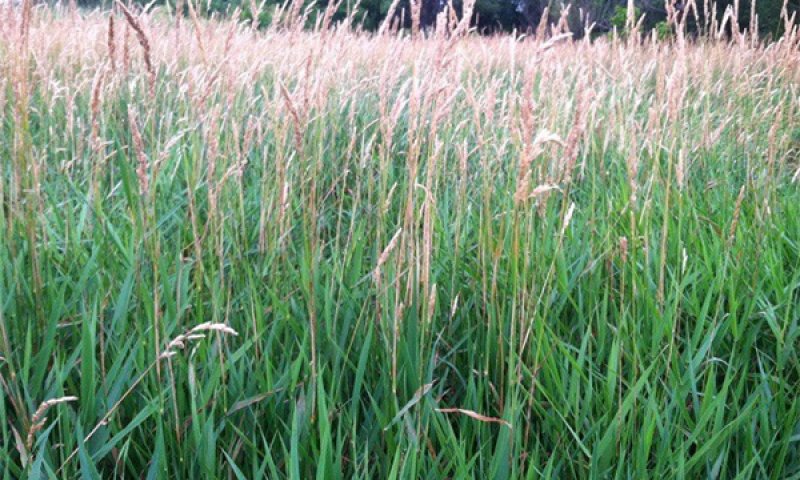
Figure 13. Wet Subirrigated ecological site. Reed Canarygrass Community (2.2) in MLRA 106.
This Reed Canarygrass Community (2.2) is dominated by reed canary grass. Reed canary grass may be present as either a near monoculture or in combination with smooth brome, tall fescue, or other cool-season grasses. Warm-season, tall and mid grasses may be present in trace amounts. Production in the Reed Canarygrass Community (2.2) is highly variable, depending upon the percentages of composition present and outside inputs such as fertilizer and weed control.
| Jan |
Feb |
Mar |
Apr |
May |
Jun |
Jul |
Aug |
Sep |
Oct |
Nov |
Dec |
| J |
F |
M |
A |
M |
J |
J |
A |
S |
O |
N |
D |
Pathway 2.1A
Community 2.1 to 2.2
Native/Invaded Cool-Season Community (2.1) will be converted to a Reed Canarygrass Community (2.2) through the following practices:
Introduced grass seeding, excessive warm season grazing, inadequate warm season rest, multi-season haying, and nitrogen fertilizing in spring or fall.
Pathway 2.2A
Community 2.2 to 2.1
Restoration to Native/Cool-season Community (2.1) from Reed Canarygrass Community (2.2) can be achieved by herbicide treatment and reseeding. If adequate native remnants are present, appropriately timed prescribed fire and a follow up prescribed grazing program may achieve the desired results.
| Prescribed Burning |
|
| Range Planting |
|
| Prescribed Grazing |
|
| Herbaceous Weed Control |
|
State 3
Sod-busted State
The threshold to the Sod-busted State (3) is crossed as a result of mechanical disturbance to facilitate production agriculture. Extensive areas of this ecological site were plowed and converted to crop production by early European settlers and their subsequent generations. In addition to permanently altering the existing vegetative community, repeated tillage negatively impacted soil properties. Reductions in organic matter, mineral levels, soil structure, oxygen levels, and water holding capacity along with increased runoff and erosion as well as shifts in the populations of soil dwelling organisms were common on these sites. The extent of these changes depended upon the duration of cropping as well as crops grown and other management practices.
If farming operations are suspended, the site can be abandoned or seeded to permanent vegetation. Seedings are either a tame pasture forage mixture, the Seeded Pasture Community (3.2), or a mixture of native grasses and forbs, the Reseeded Native Grass Community (3.1). Abandonment results in the Natural Reclamation Community (3.3). Permanent alterations of the soil, plant community, and the hydrologic cycle make restoration to the Reference State (1) extremely difficult, if not impossible.
Community 3.1
Reseeded Native Grass Community
The Reseeded Native Grass Community (3.1) does not contain native remnants, and varies considerably depending upon the seed mixture, the degree of soil erosion, the age of the stand, fertility management, and past grazing management. Prescribed grazing with adequate recovery periods will be required to maintain productivity and desirable species.
Native range and grasslands seeded to native species are ecologically different and should be managed separately. Factors such as functional group, species, stand density, and improved varieties all impact the production level and palatability of the seedings. Species diversity is often limited, and when grazed in conjunction with native rangelands, uneven forage utilization may occur.
Total annual production during an average year varies significantly depending upon precipitation, management, and grass species seeded.
Community 3.2
Seeded Pasture Community
The Seeded Pasture Community (3.2) does not contain native remnants and varies considerably depending upon the extent of soil erosion, the species seeded, the quality of the stand that was established, the age of the stand, and management of the stand since establishment.
There are several factors that make seeded tame pasture a different grazing resource than native rangeland and land seeded to a native grass mixture. Factors such as species selected, stand density, improved varieties, and harvest efficiency all impact production levels and palatability. Species diversity on seeded tame pasture is often limited to a few species. When seeded pasture and native rangelands or seeded pasture and seeded rangeland are in the same grazing unit, uneven forage utilization will occur. Improve forage utilization and stand longevity by managing this community separately from native rangelands or land seeded to native grass species.
Total annual production during an average year varies significantly depending on the level of management and species seeded. Improved varieties of warm-season or cool-season grasses are recommended for optimum forage production.
Community 3.3
Natural Reclamation Community
The Natural Reclamation Community (3.3) consists of annual and perennial weeds and less desirable grasses. These sites have been farmed and abandoned without being reseeded. Soil organic matter and carbon reserves are reduced, soil structure is changed, and a plowpan or compacted layer can form, which decreases water infiltration. Residual synthetic chemicals may remain from farming operations. In early successional stages, this community is not stable. The hazard of erosion is a concern.
Total annual production during an average year varies significantly depending on the succession stage of the plant community and any management applied to the system.
State 4
Invaded Woody State
Once the deciduous tree canopy cover reaches 15 percent, the threshold is crossed to the Invaded Woody State (4). Woody species are encroaching due to heavy grazing with the lack of prescribed fire and other brush management practices. Typical ecological impacts are a loss of native warm-season grasses, decreased forage productivity, and reduced soil quality. This state consists of the Deciduous Woody Community (4.1).
Community 4.1
Deciduous Woody Community
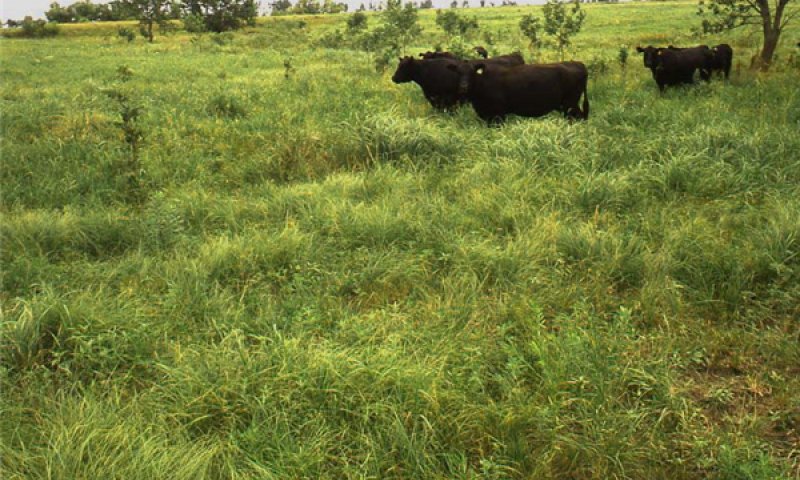
Figure 15. Wet Subirrigated ecological site, Deciduous Woody Community (4.1), MLRA 106.
In the Deciduous Woody Community (4.1), deciduous native and exotic trees have become a subdominant or dominant functional/structural group. Rough-leaved dogwood, honey locust, Siberian elm, cottonwood, ash, and willow are the primary invading species. On the portions of the site where the depth to the water table is conducive to its presence, eastern red cedar may be present as well. Total annual production during an average year varies significantly, depending upon the production level prior to encroachment and the percentage of canopy cover.
Transition T1A
State 1 to 2
Heavy grazing or haying with inadequate growing season recovery periods will cause the Reference State (1) to lose a significant proportion of warm-season, tall and mid grass species and cross a threshold to the Native/Invaded Grass State (2). Water infiltration and other hydrologic functions will be reduced due to the root matting presence of sod forming grasses. With the decline and loss of deeper penetrating root systems, soil structure and biological integrity are catastrophically degraded to the point that recovery is unlikely. Once this occurs, it is highly unlikely that grazing management alone will return the community to the Reference State (1).
Transition T1B
State 1 to 3
The Reference State (1) is significantly altered by mechanical tillage converting site to the Sod-busted State (3) to facilitate production agriculture. The disruption to the plant community, the soil, and the hydrology of the system, make restoration to a true Reference State (1) unlikely. The wetter sites are often ditched and drained, further altering the local hydrological cycle.
Transition T1C
State 1 to 4
Disruption of the natural fire regime and the encroachment of invasive exotic and native woody species can cause the Reference State (1) to shift to the Invaded Woody State (4).
Transition T 2A
State 2 to 3
The Native/Invaded Grass State (2) is significantly altered by mechanical tillage converting site to the Sod-busted State (3) to facilitate production agriculture. The disruption to the plant community, the soil, and the hydrology of the system make restoration to a true Reference State (1) unlikely.
Transition T 2B
State 2 to 4
Disruption of the natural fire regime and the encroachment of invasive exotic and native woody species can cause the Native/Invaded Grass State (2) to shift to the Invaded Woody State (4).
Transition T 3A
State 3 to 4
Disruption of the natural fire regime and the encroachment of invasive exotic and native woody species can cause the Sodbusted State (3) to shift to the Invaded Woody State (4).
Restoration pathway R4A
State 4 to 1
Prescribed burning, wildfire, timber harvest, and brush management will move the Invaded Woody State (4) towards the Reference State (1). The forb component of a site with heavy tree density or canopy cover will initially increase following tree removal through mechanical brush management treatments and prescribed fire. If re-sprouting brush such as honey locust or Siberian elm is present, stumps must be chemically treated immediately after mechanical removal. Ongoing brush management such as mechanical removal, chemical spot treatments, or periodic prescribed burning is required to prevent a return to this state.
When the Invaded Woody State (4) transitioned from the Native/Invaded Grass State (2) or the Sod-busted State (3), the land cannot be restored to Reference State (1) as the native plant community, soils, and hydrologic function have been too severely impacted prior to the woody encroachment to allow restoration to a true Reference State (1).
| Brush Management |
|
| Prescribed Burning |
|
Restoration pathway R4B
State 4 to 2
Prescribed burning, wildfire, timber harvest, and brush management will move the Invaded Woody State (4) to the Native/Invaded Grass State (2). The forb component of a site with heavy tree density or canopy cover will initially increase following tree removal through mechanical brush management treatments and prescribed fire. If resprouting brush such as honey locust or Siberian elm are present, stumps must be chemically treated immediately after mechanical removal. Ongoing brush management such as hand cutting, chemical spot treatments, or periodic prescribed burning is required to prevent a return to this state.
When the Invaded Woody State (4) transitioned from the Native/Invaded Grass State (2) or the Sod-busted State (3), the land cannot be restored to Reference State (1) as the native plant community, soils, and hydrologic function have been too severely impacted prior to the woody encroachment to allow restoration to a true Reference State (1).
| Brush Management |
|
| Prescribed Burning |
|
Restoration pathway R4C
State 4 to 3
Prescribed burning, wildfire, timber harvest, and brush management will move the Invaded Woody State (4) to the Sod-busted State (3). The forb component of a site with heavy tree density or canopy cover will initially increase following tree removal through mechanical brush management treatments and prescribed fire. If resprouting brush such as honey locust or Siberian elm are present, stumps must be chemically treated immediately after mechanical removal. Ongoing brush management such as hand cutting, chemical spot treatments, or periodic prescribed burning is required to prevent a return to this state.
When the Invaded Woody State (4) transitioned from the Native/Invaded Grass State (2) or the Sod-busted State (2), the land cannot be restored to Reference State (1) as the native plant community, soils, and hydrologic function have been too severely impacted prior to the woody encroachment to allow restoration to a true Reference State (1).
| Brush Management |
|
| Prescribed Burning |
|