

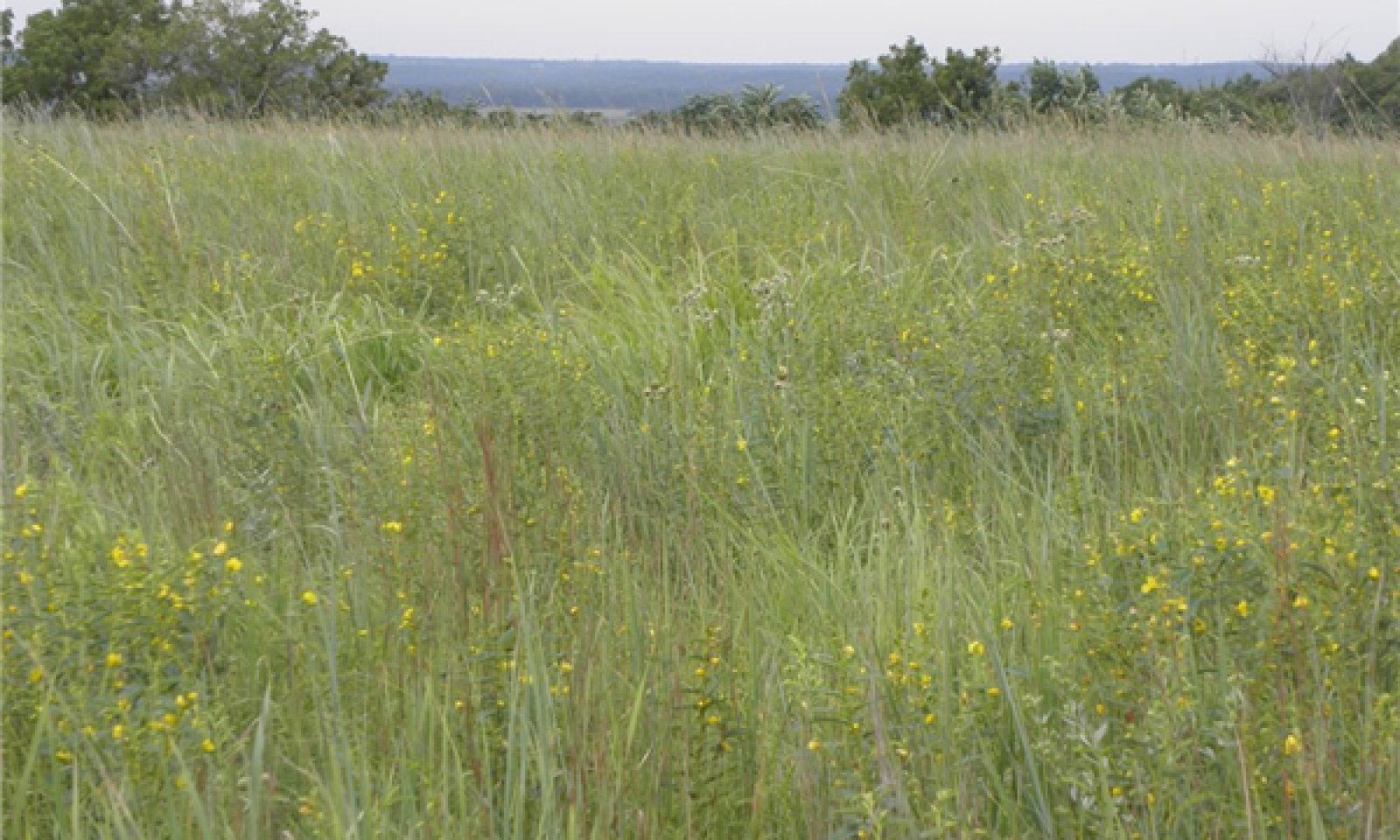
Loamy Upland

Scenario model
Current ecosystem state
Select a state
Management practices/drivers
Select a transition or restoration pathway
-
Transition T1A
Repeated defoliation during the warm-season portion of growing season by grazing or haying.
More details -
Transition T1B
Tillage to facilitate production agriculture.
More details -
Transition T1C
Woody encroachment and no fire or woody species management.
More details -
Restoration pathway R2A
Prescribed grazing with grazing concentrated during spring and fall, late spring prescribed fire, herbicide application in early spring or late fall.
More details -
Transition T2A
Tillage to facilitate production agriculture.
More details -
Transition T2B
Woody encroachment and no fire or woody species management.
More details -
Transition T3A
Woody encroachment and no fire or woody species management.
More details -
Restoration pathway R4A
Prescribed burning, wildfire, harvest, and brush management
More details -
Restoration pathway R4B
Prescribed burning, wildfire, harvest, and brush management
More details -
Restoration pathway R4C
Prescribed burning, wildfire, harvest, and brush management
More details -
No transition or restoration pathway between the selected states has been described
Target ecosystem state
Select a state
State 1
Reference State
Description
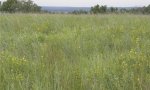
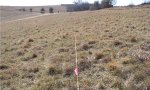
The Reference State (1) comprises the communities within the range of natural variability under historic conditions and disturbance regimes. Patterns created by wildlife use and fire supported a mosaic of communities across the landscape. Warm-season tall grasses are dominant and warm-season mid grasses are subdominant. Cool-season grasses, forbs, and shrubs are minor functional/structural groups. Eastern gamagrass is naturally absent to rare in the northern half of the MLRA but becomes increasingly common southward. Conversely, cool-season grasses, such as porcupinegrass and Canada wildrye, are more prominent northward. High perennial grass cover allows for increased soil moisture retention, vegetative production, and overall soil quality.
Fire and bison herbivory were the dominant disturbance regimes that historically maintained the tall grass dominance with a diverse forb component. Furthermore, bison grazing was closely linked to fire patterns as the animals preferred grazing burned areas offering highly palatable and nutritious regrowth. Thus, historic plant communities were subject to occasional burning and grazing, with substantial rest/recovery periods as the fuel load rebuilt to eventually start this process again. Fires also served to suppress woody species and to maintain an open herbaceous stand. The degree to which current conditions represent this state largely depends upon how closely contemporary management has mimicked these past disturbance effects.
The Reference State (1) includes the Reference Community (1.1) which is dominated by warm-season tall grasses and the At-Risk Community (1.2) which is dominated by warm-season mid grasses.
Submodel
State 2
Native/Invaded Grass State
Description
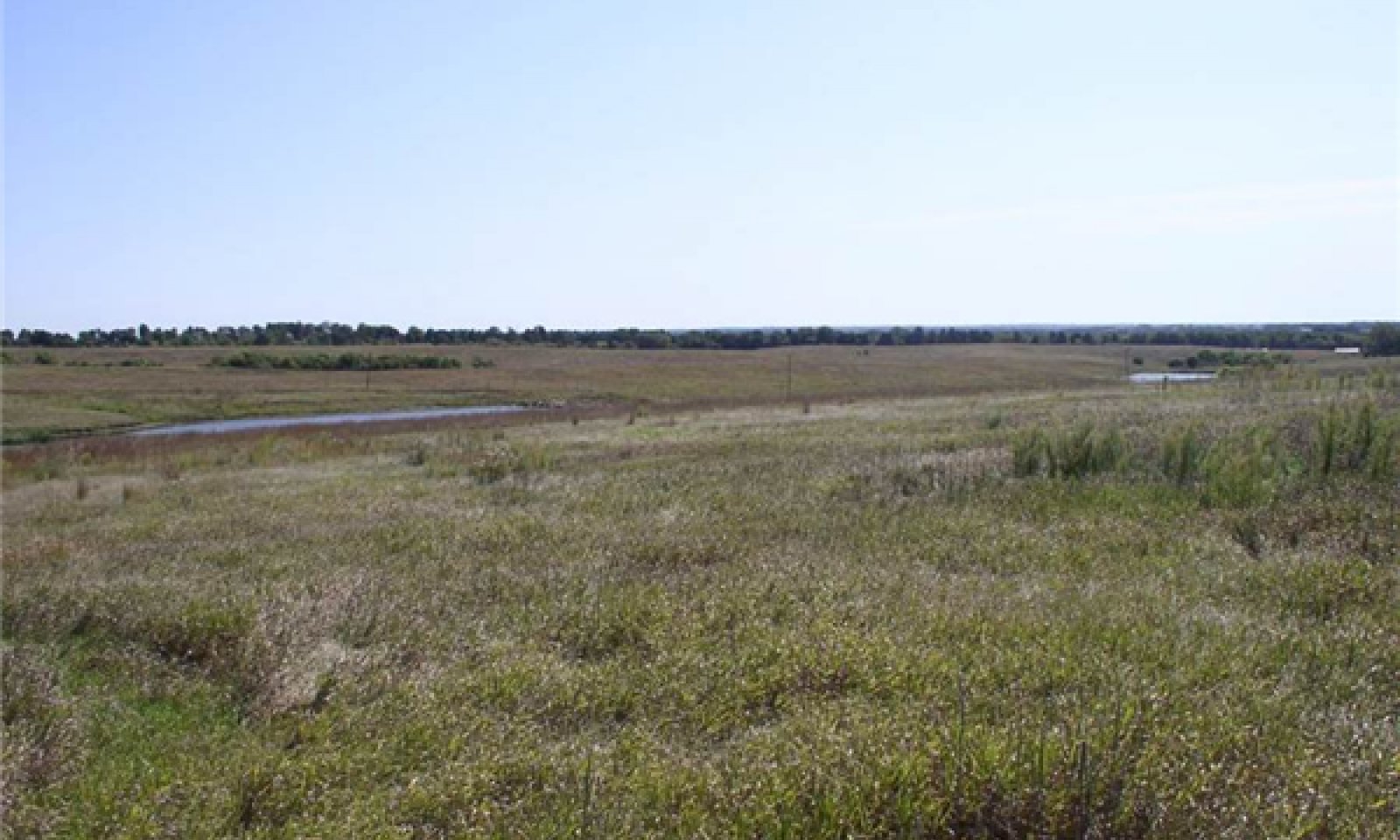
The Native/Invaded Grass State (2) exhibits a co-dominance of both native and introduced species. Native, warm-season, tall grasses such as big bluestem and Indiangrass, may be present as a minor or trace functional group. The plant community consists of the more grazing tolerant native species and a significant component of introduced, cool-season grasses such as smooth brome, tall fescue, and Kentucky bluegrass. Forb diversity is limited to less palatable species such as ironweed and western ragweed. Plant diversity is low.
Impaired energy capture and altered hydrologic function are reflected in reduced vegetative productivity, shallower rooting depth and degraded soil quality. Continuous and heavy grazing pressure will maintain this plant community in a sod bound condition. Grazing management practices that allow for adequate periods of recovery between grazing events and grazing timed early and late during the growing season will reduce the vigor of the non-native, cool-season grasses and may allow the warm-season, tall and mid grasses to increase in abundance and productivity. Return to the Reference State (1) is unlikely due to the loss of plant diversity, overall soil disturbance, and alterations to hydrologic function.
The Native/Invaded Grass State (2) includes the Native/Non-Native Grass Community (2.1) and the Introduced Cool-Season Grass Community (2.2).
Submodel
Description
The threshold to the Sod-busted State (3) is crossed as a result of mechanical disturbance to facilitate production agriculture. Extensive areas of this ecological site were plowed and converted to crop production by early European settlers and their subsequent generations. In addition to permanently altering the existing vegetative community, repeated tillage negatively impacted soil properties. Reductions in organic matter, mineral levels, soil structure, oxygen levels, and water holding capacity along with increased runoff and erosion as well as shifts in the populations of soil dwelling organisms were common on these sites. The extent of these changes depended upon the duration of cropping as well as crops grown and other management practices.
If farming operations are suspended, the site can be abandoned or seeded to permanent vegetation. Seedings are either a tame pasture forage mixture, the Seeded Pasture Community (3.2), or a mixture of native grasses and forbs, the Reseeded Native Grass Community (3.1). Abandonment results in the Natural Reclamation Community (3.3). Permanent alterations of the soil, plant community, and the hydrologic cycle make restoration to the Reference State (1) extremely difficult, if not impossible.
Submodel
State 4
Invaded Woody State
Description
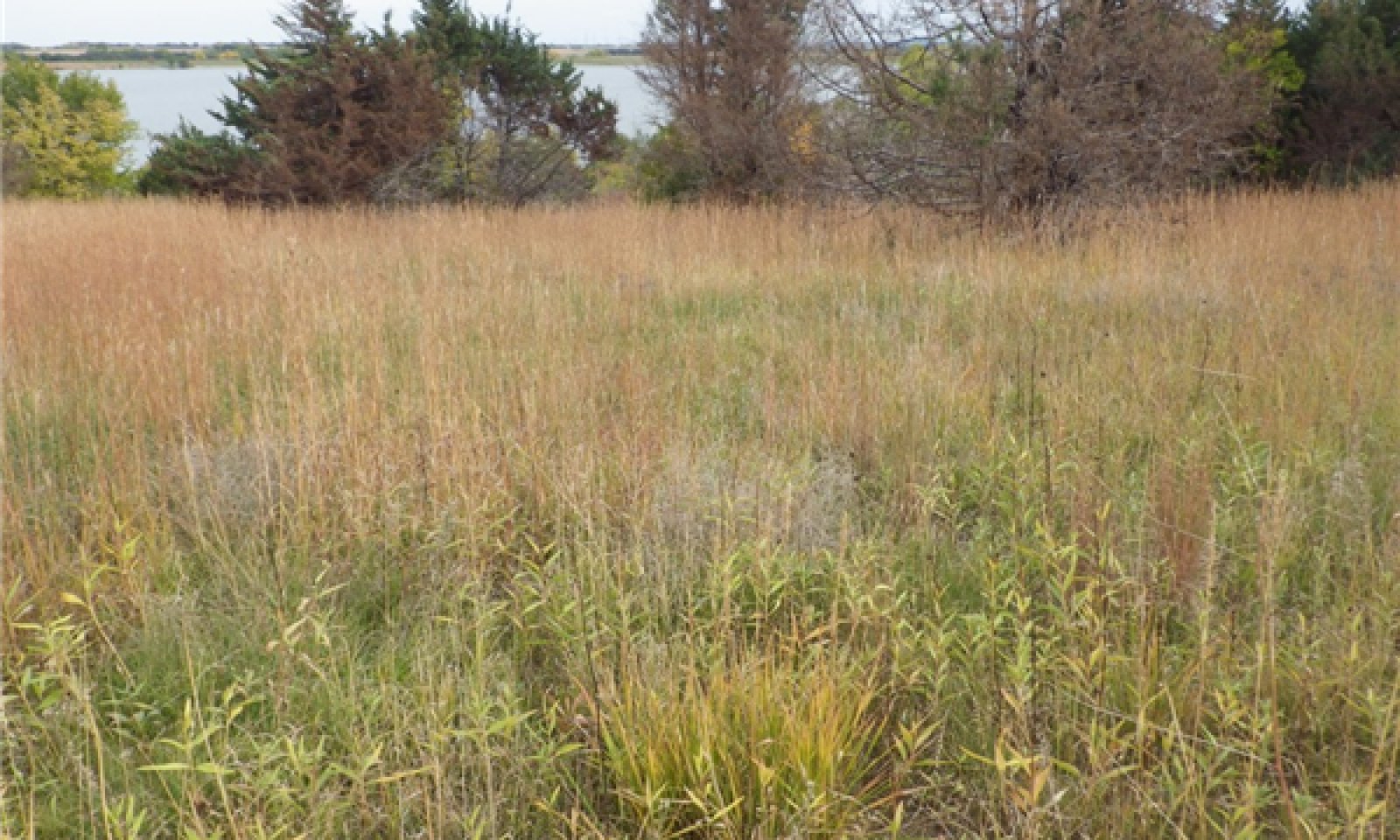
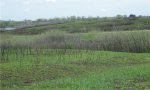
The Invaded Woody State (4) is the result of woody encroachment. Once the tree canopy cover reaches 15 percent with an average tree height exceeding five feet, the threshold is crossed. Woody species are encroaching due to lack of prescribed fire and other brush management practices. Bur oak, eastern red cedar, Osage orange, roughleaf dogwood, honey locust, and coralberry are some of the first woody species to increase. Although these woody species are native to North America, they were not historically a significant part of the Reference State (1). If allowed to continue with little or no disturbance, eastern red cedar, oaks, and elm trees eventually dominate the site. As the overstory closes, various processes act to increase woody dominance. Foliage from woody species shades the understory and intercepts rainfall increasing evaporative loss. Litter acts similarly and further reduces effective precipitation while also creating a less uniform resource distribution with nutrients concentrated under individual trees. Typical ecological impacts are a loss of native grasses, degraded forage productivity, and reduced soil quality. This state consists of the Invaded Woody Community (4.1).
Prescribed burning, wildfire, timber harvest and brush management will move this state toward a grass dominated state. If the Invaded Woody State (4) transitioned from the Native/Invaded Grass State (2) or the Sod-busted State (3) the land cannot be restored to the Reference State (1) as the native plant community, soils, and hydrologic function had been too severely impacted prior to the woody encroachment to allow restoration to the Reference State.
Submodel
Mechanism
Repeated defoliation of preferred native, warm-season, tall and mid grasses during periods of active growth reduces individual plant vigor and competitiveness. This facilitates an increase by native and nonnative, cool-season species. As warm-season grasses such as big bluestem, Indiangrass, and little bluestem decrease, cool season invaders such as smooth brome and/or tall fescue, colonize and expand. The native forb and shrub component is also affected by the season and degree of livestock pressure. In response to repeated defoliation, this community will shift to less palatable, more grazing tolerant species that includes nonnative invaders. Repeated growing season haying causes a similar species composition shift in the reference plant communities.
Mechanism
The Reference State (1) is significantly altered by mechanical tillage converting site to the Sod-busted State (3) to facilitate production agriculture. The disruption to the plant community, the soil and the hydrology of the system, make restoration to a true reference state unlikely.
Mechanism
Disruption of the natural fire regime and the encroachment of invasive exotic and native woody species can cause the Reference State (1) to shift to the Invaded Woody State (4).
Mechanism
To restore the Native/Invaded State (2) to the Reference State (1) requires a concerted management effort employing a combination of management tools focused on reduction of the undesirable components of the community and increasing the desired components. Spring/fall grazing with summer deferment, late spring/early summer prescribed fires, and nonselective herbicides applied in the early spring and late fall allow warm season grasses to complete seed setting and rebuild carbohydrate reserves, while reducing these same processes on the cool season species. These tools are the most effective when used in combination. Successful restoration is dependent upon the presence of adequate warm-season tall and mid grass remnants and intact soil and site stability and hydrologic function. If soils have significantly eroded or if the hydrology has been significantly degraded this restoration will not be possible.
Relevant conservation practices
| Practice | External resources |
|---|---|
|
Prescribed Burning |
|
|
Prescribed Grazing |
Mechanism
The Native/Invaded Grass State (2) is significantly altered by mechanical tillage converting site to the Sod-busted State (3) to facilitate production agriculture. The disruption to the plant community, the soil and the hydrology of the system make restoration to a true reference state unlikely.
Mechanism
Disruption of the natural fire regime and the encroachment of invasive exotic and native woody species can cause the Native/Invaded State (2) to shift to the Invaded Woody State (4).
Mechanism
Disruption of the natural fire regime and the encroachment of invasive exotic and native woody species can cause the Sod-busted State (3) to shift to the Invaded Woody State (4).
Mechanism
Prescribed burning, wildfire, harvest, and brush management will move the Invaded Woody State (4) toward the Reference State (1). The forb component of a site with heavy tree density or canopy cover may initially increase following tree removal through mechanical brush management treatments and prescribed fire. If resprouting brush is present, stumps must be chemically treated immediately after mechanical removal. Ongoing brush management such as hand cutting, chemical spot treatments, or periodic prescribed burning is required to prevent a return to the Invaded Woody State (4).
Land that transitioned to the Invaded Woody State (4) from the Native/Invaded Grass State (2) or the Sod-busted State (3) cannot be restored to the Reference State (1) through removal of woody species.
Relevant conservation practices
| Practice | External resources |
|---|---|
|
Brush Management |
|
|
Prescribed Burning |
|
|
Prescribed Grazing |
Mechanism
Prescribed burning, wildfire, harvest, and brush management will move the Invaded Woody State (4) toward the Native/Invaded State (2). The forb component of a site with heavy tree density or canopy cover may initially increase following tree removal through mechanical brush management treatments and prescribed fire. If resprouting brush is present, stumps must be chemically treated immediately after mechanical removal. Ongoing brush management such as hand cutting, chemical spot treatments, or periodic prescribed burning is required to prevent a return to the Invaded Woody State.
Land that transitioned to the Invaded Woody State (4) from the Native/Invaded Grass State (2) or the Sod-busted State (3) cannot be restored to the Reference State (1) through removal of woody species.
Relevant conservation practices
| Practice | External resources |
|---|---|
|
Brush Management |
|
|
Prescribed Burning |
|
|
Prescribed Grazing |
Mechanism
Prescribed burning, wildfire, harvest, and brush management will move the Invaded Woody State (4) toward the Sod-busted State (3). The forb component of a site with heavy tree density or canopy cover may initially increase following tree removal through mechanical brush management treatments and prescribed fire. If resprouting brush is present, stumps must be chemically treated immediately after mechanical removal. Ongoing brush management such as hand cutting, chemical spot treatments, or periodic prescribed burning is required to prevent a return to the Invaded Woody State (4).
Land that transitioned to the Invaded Woody State (4) from the Native/Invaded Grass State (2) or the Sod-busted State (3) cannot be restored to the Reference State (1) through removal of woody species.
Relevant conservation practices
| Practice | External resources |
|---|---|
|
Brush Management |
|
|
Prescribed Burning |
|
|
Prescribed Grazing |
Model keys
Briefcase
Add ecological sites and Major Land Resource Areas to your briefcase by clicking on the briefcase ( ) icon wherever it occurs. Drag and drop items to reorder. Cookies are used to store briefcase items between browsing sessions. Because of this, the number of items that can be added to your briefcase is limited, and briefcase items added on one device and browser cannot be accessed from another device or browser. Users who do not wish to place cookies on their devices should not use the briefcase tool. Briefcase cookies serve no other purpose than described here and are deleted whenever browsing history is cleared.
Ecological sites
Major Land Resource Areas


The Ecosystem Dynamics Interpretive Tool is an information system framework developed by the USDA-ARS Jornada Experimental Range, USDA Natural Resources Conservation Service, and New Mexico State University.