

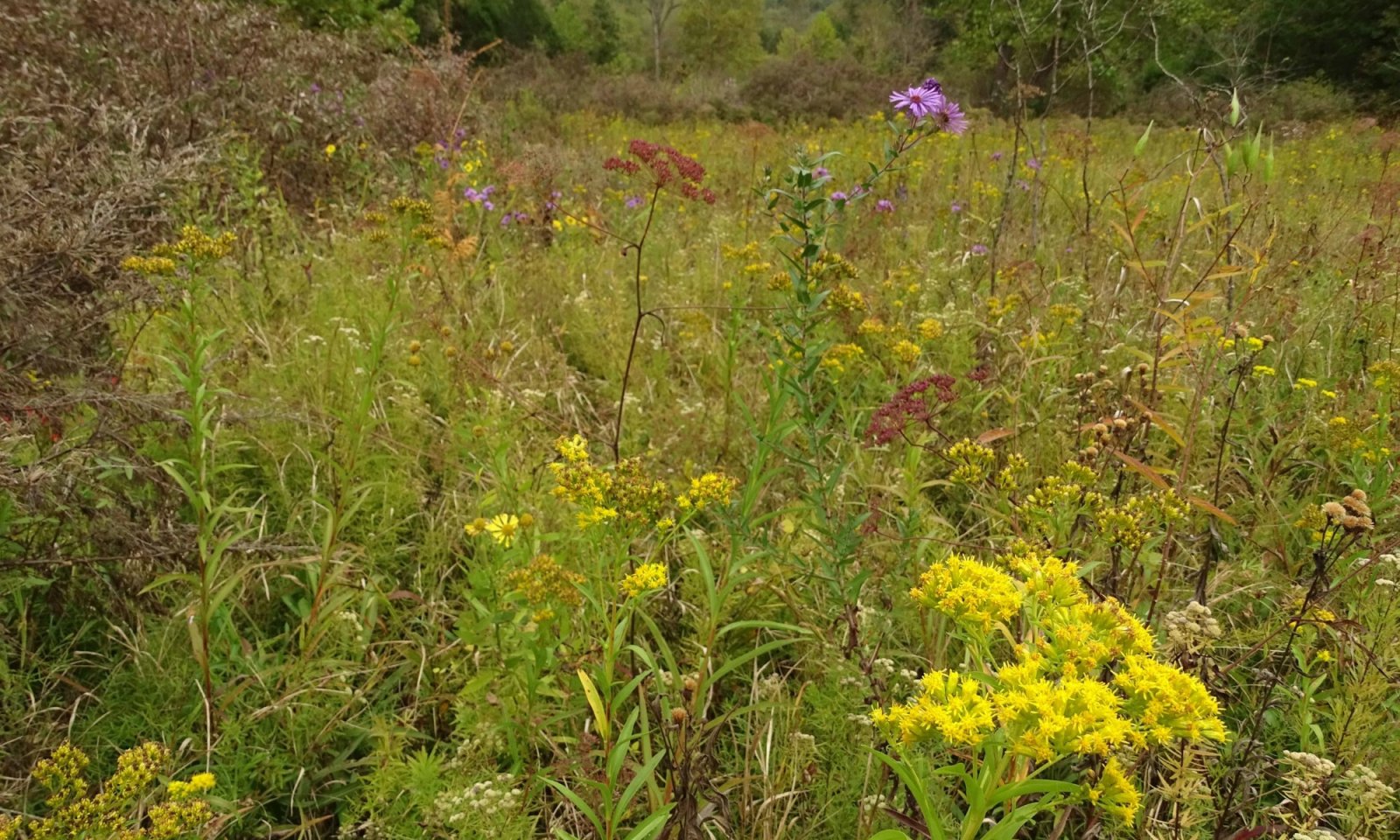
Karst Fen

Scenario model
Current ecosystem state
Select a state
Management practices/drivers
Select a transition or restoration pathway
-
Transition T1A
Adjacent hydrologic or nutrient alteration
More details -
Transition T1B
Direct hydrologic, mechanical or nutrient alteration.
More details -
Transition T1C
Dewatering or impounding of spring water for utilitarian use.
More details -
Restoration pathway R2A
Complete hydrologic and biotic restoration
More details -
Transition T2A
Direct hydrologic, mechanical or nutrient alteration.
More details -
Transition T2B
Dewatering or impounding of spring water for utilitarian use.
More details -
Transition T3A
Stabilization and hydrologic recovery.
More details -
Transition T3B
Dewatering or impounding of spring water for utilitarian use.
More details -
Restoration pathway T4B
Stabilization and hydrologic recovery.
More details -
Transition T4A
Stabilization and hydrologic recovery.
More details -
No transition or restoration pathway between the selected states has been described
Target ecosystem state
Select a state
State 1
Reference State
Description
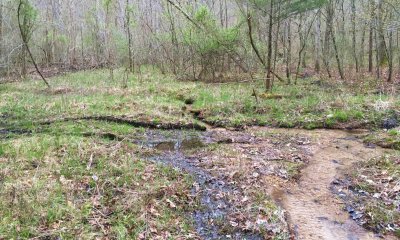
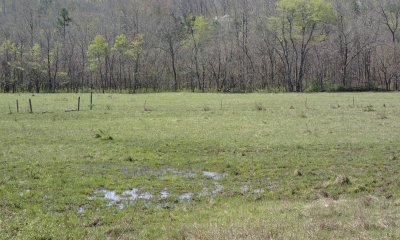
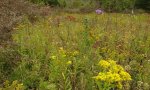
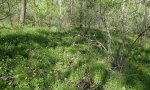
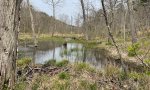
The reference state includes numerous community phases related to the hydrology of the site. Community phase 1.1 is the open fens with minerotrophic conditions, low available nitrogen and phosphorus, and permanent soil saturation, but not permanent inundation found on base of toe slopes, foot slopes and side slopes. Community phase 1.2 which is the shrub fen that are too small or broken up within a drier forested matrix to maintain an open canopy. Community phase 1.3 Marsh fen which form below open or closed fens in locations where water becomes ponded. Marsh fens are open communities dominated by herbaceous emergent aquatic vegetation.
Submodel
State 2
Impacted State
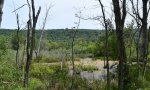
Description
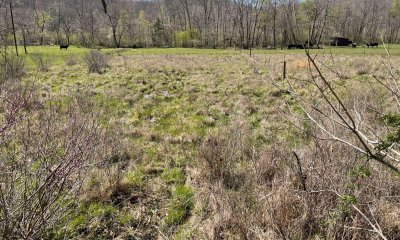
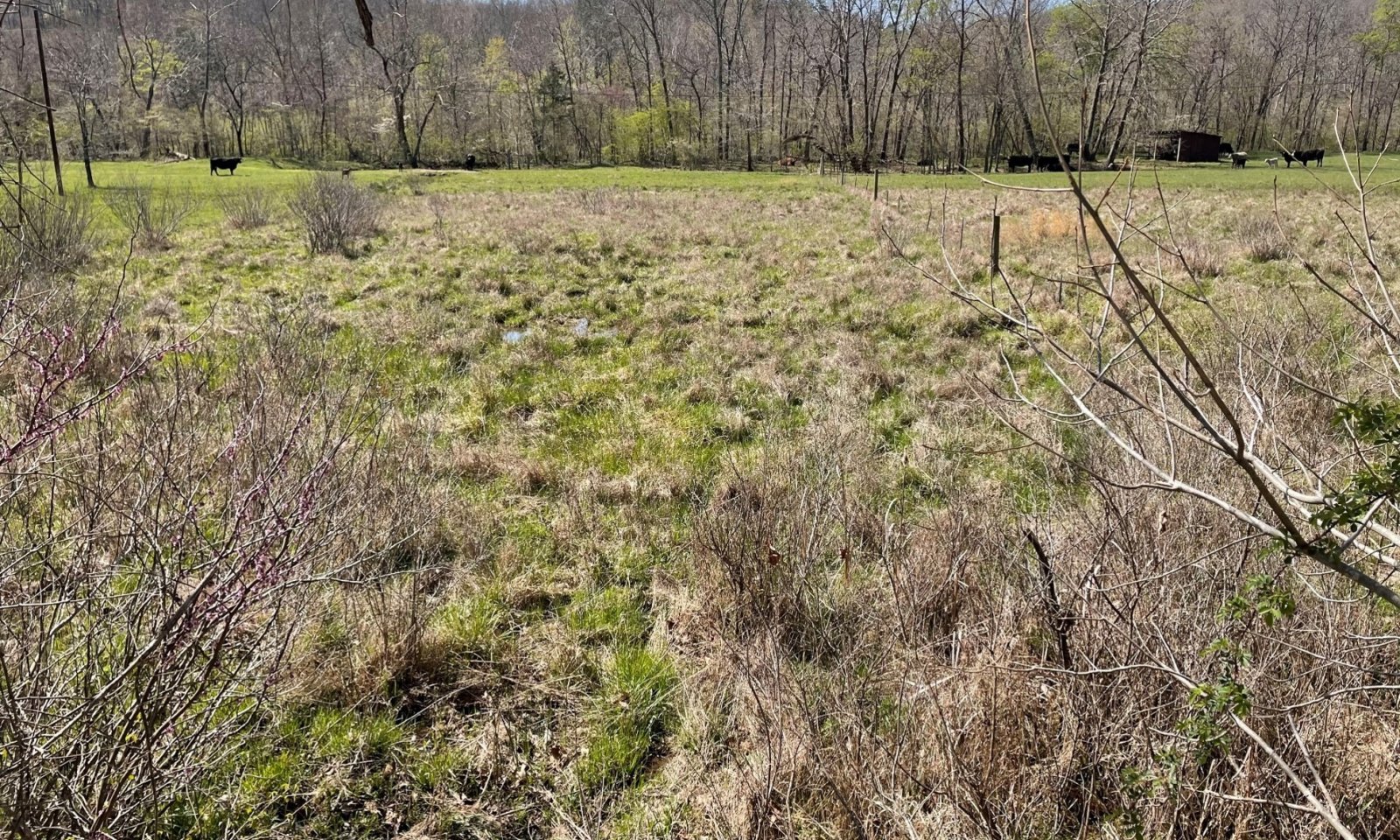
These conditions result from negative impacts that are not so extensive as to significantly mechanically alter the soil structure of the site. Examples include over-grazing, significant alterations to the vegetation structure and composition, and minor alterations to hydrology. Many remnant Karst Fen sites are currently in the Impacted State. These sites often retain some biological legacies from 1.1 Open Fen, but many/most of the highly specialized species are gone.
Submodel
State 3
Degraded State
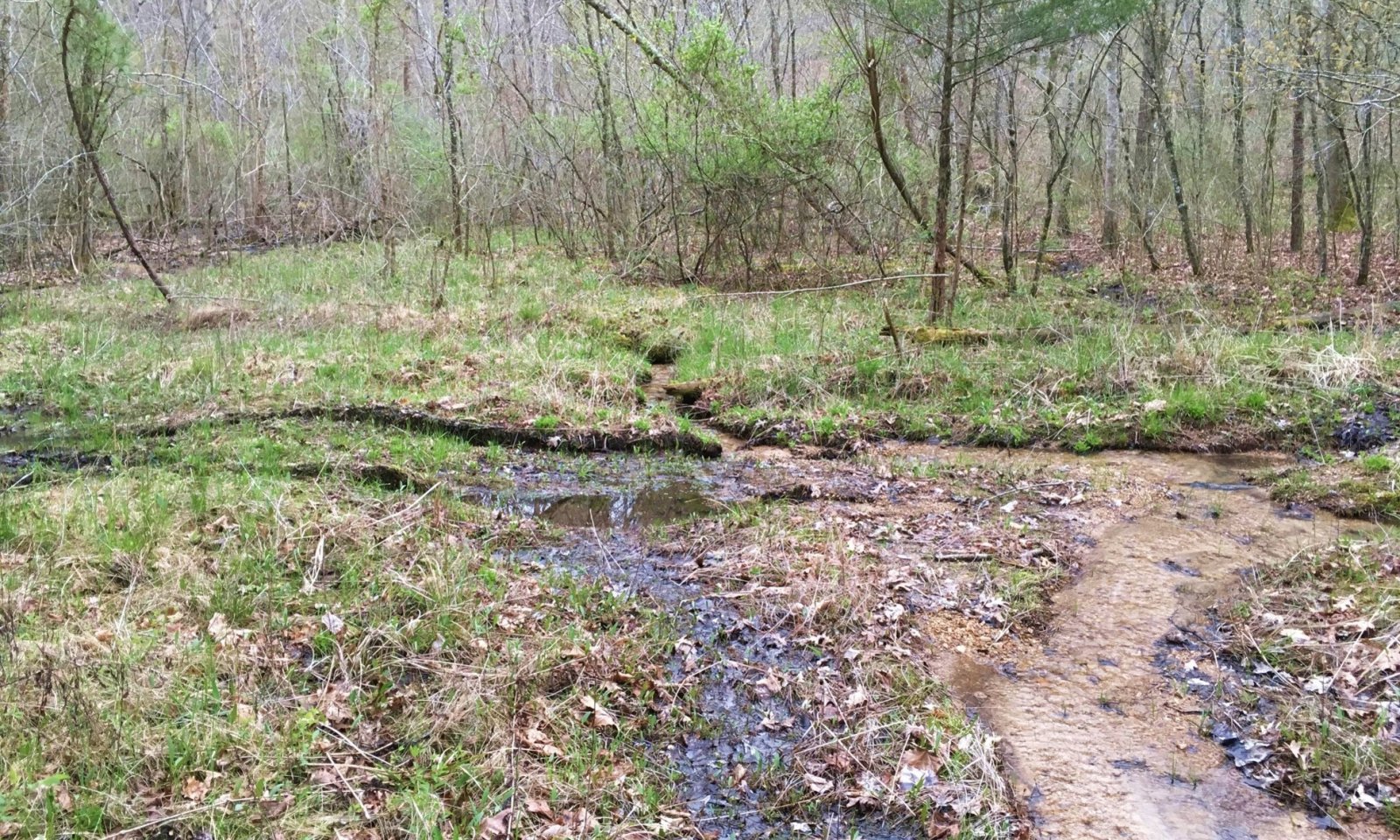
Description
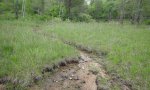
These conditions result from dramatic alterations to the soil structure, plant species composition, and/or hydrology of a site. Examples of dramatic alterations include tilling or excavating soil, filling with soil, over-seeding with exotic species (often non-native cool season grasses), and impounding.
Submodel
State 4
Agricultural State
Description
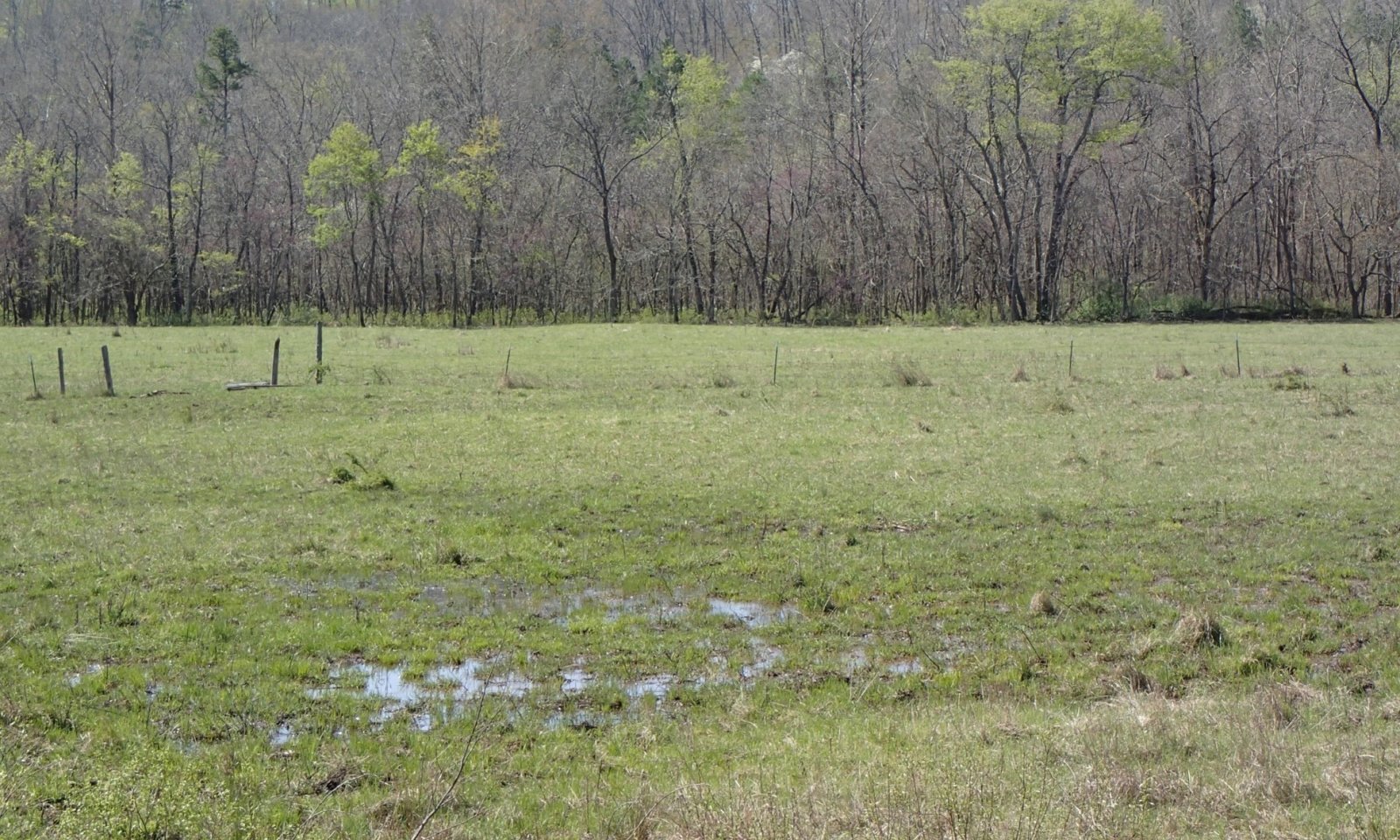
Many areas in this condition are not recognized as fens. The agricultural state includes either permanently impounded cattle ponds or seasonally wet pastures having non-native cool season grasses and scattered wetland generalist plant species. These de-watered grasslands barely function as wetlands. Organic soils and much of the original A horizons are gone in this highly manipulated environment. In many cases, obvious signs of ditching or channelization occur.
Submodel
Mechanism
Adjacent hydrologic or nutrient alteration
Context dependence
The destabilization or indirect influence of land improvements of reference state fens (1.1), to the extent that their characteristic specialist flora is replaced with generalist wetland species, is most often the result of extensive livestock pressure, attempts to drain the fen via ditching, and over-seeding with exotic species. The hydrology, soils, and nutrient dynamics are disrupted through these land use changes.
Mechanism
Direct hydrologic, mechanical or nutrient alteration.
Context dependence
Direct alterations to hydrology and/or soil or land surface, including removal, restructuring, filling, or peat mining. This results nutrient alterations impacting species presence.
Mechanism
Dewatering or impounding of spring water for utilitarian use.
Context dependence
Dramatic direct alterations to hydrology and soil for agricultural and aquacultural purposes. Either impoundment of springs with earthen dams or more complete drainage of wetlands via ditching and/or tiling.
Mechanism
Complete hydrologic and biotic restoration
Context dependence
Restoration is possible but it is unlikely to result in such complex biological associations that define the reference state. Hallmarks of successful restoration in this regard would include reestablishment of complex groundwater discharge-soil dynamics and the natural recolonization and persistence of late-successional, highly specialized, plant and animal species. Over time, organic soil will develop to natural levels.
Mechanism
Direct hydrologic, mechanical or nutrient alteration.
Context dependence
Direct alterations to hydrology and/or soil or land surface, including removal, restructuring, filling, or peat mining.
Mechanism
Dewatering or impounding of spring water for utilitarian use.
Context dependence
Dramatic direct alterations to hydrology and soil for agricultural and aquacultural purposes. Either impoundment of springs with earthen dams or more complete drainage of wetlands via ditching and/or tiling.
Mechanism
Stabilization and hydrologic recovery.
Constraints to recovery
Land abandonment may result after a site has been used for years. During this time groundwater discharge may still occur on the site and over time the conditions conducive to a range of native plant communities may respond. Two such examples are the disturbed soil sites at Shut-in Mountain and Coonville fens, where general and relictual wetland species exist.
Mechanism
Dewatering or impounding of spring water for utilitarian use.
Constraints to recovery
Dramatic direct alterations to hydrology and soil for agricultural and aquacultural purposes. Either impoundment of springs with earthen dams or more complete drainage of wetlands via ditching and/or tiling. Also seeding of non-native cool season grasses.
Mechanism
Stabilization and hydrologic recovery.
Context dependence
Abandonment of the site from grazing or regular vegetation management could allow the hydrology, soils, and plants to recover to a more impacted state. Removing levees and/or filling in ditches that concentrate or divert water away from the site could also potentially aid in the time in which these natural processes could recover. Questions remain however regarding the legacy effect of excess nutrients and whether or not the site could ever regain a minerotrophic reference state.
Mechanism
Stabilization and hydrologic recovery.
Context dependence
Over time, hydrologic modifications are lessened so sites aren't as flashy or permanently ponded, which allows some wetland generalists and fen associated species to exist. Further perturbations related to soil or hydrology could further degrade that status of the site. This could also result from soil mining.
Model keys
Briefcase
Add ecological sites and Major Land Resource Areas to your briefcase by clicking on the briefcase ( ) icon wherever it occurs. Drag and drop items to reorder. Cookies are used to store briefcase items between browsing sessions. Because of this, the number of items that can be added to your briefcase is limited, and briefcase items added on one device and browser cannot be accessed from another device or browser. Users who do not wish to place cookies on their devices should not use the briefcase tool. Briefcase cookies serve no other purpose than described here and are deleted whenever browsing history is cleared.
Ecological sites
Major Land Resource Areas


The Ecosystem Dynamics Interpretive Tool is an information system framework developed by the USDA-ARS Jornada Experimental Range, USDA Natural Resources Conservation Service, and New Mexico State University.