

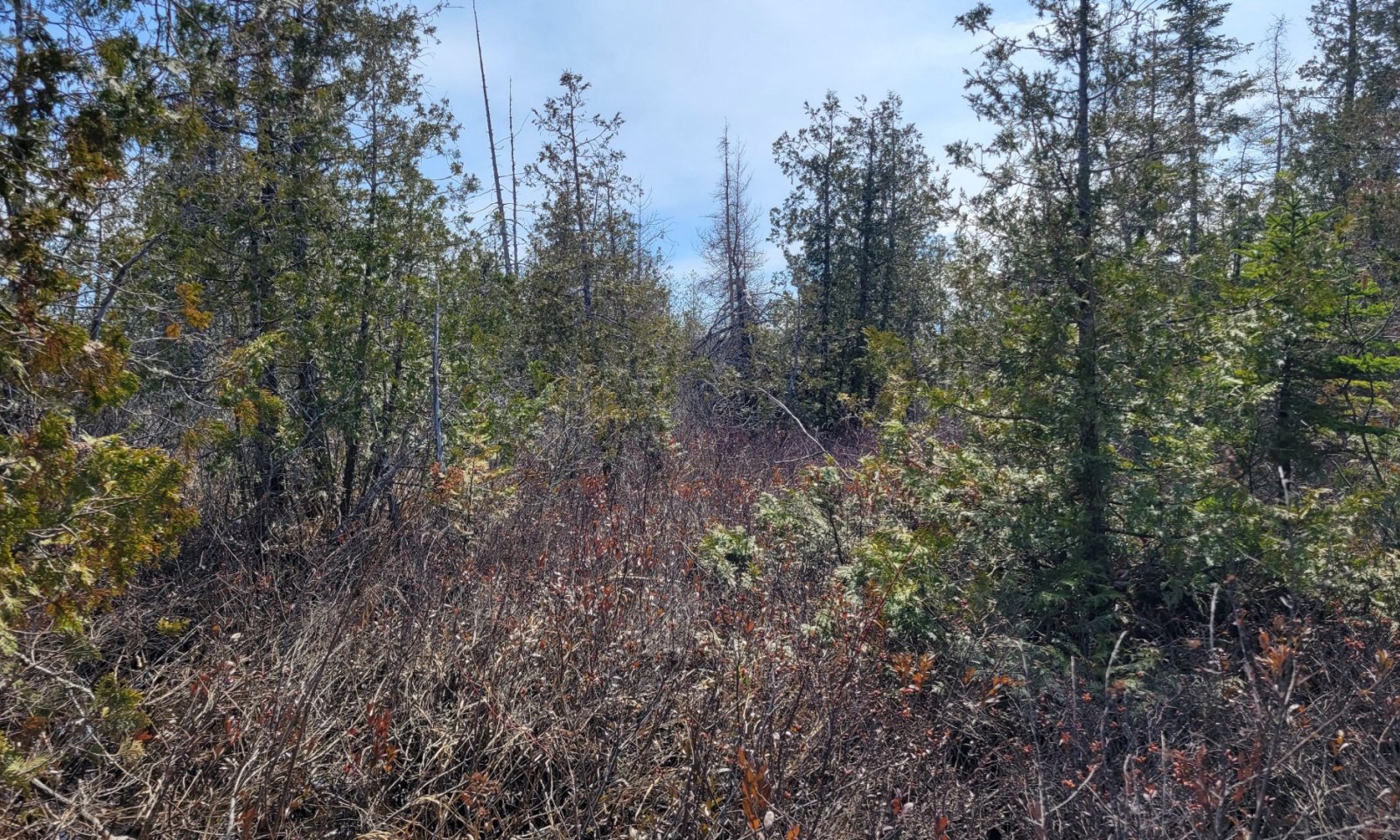
Mucky Swamp

Scenario model
Current ecosystem state
Select a state
Management practices/drivers
Select a transition or restoration pathway
-
Transition T1A
Variable increase in soil wetness (natural or anthropogenic)
More details -
Restoration pathway R2A
Decrease in soil wetness (natural or anthropogenic)
More details -
No transition or restoration pathway between the selected states has been described
Target ecosystem state
Select a state
State 1
Cedar Basin Swamps
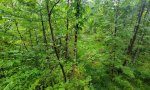
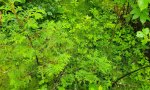
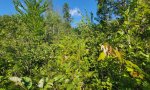
Description
These are softwood dominated forests most often comprised of mature northern white cedar (Thuja occidentalis) found on deep organic soils. The canopy is often a pure stand of cedar (up to 95 percent abundance) and can be somewhat open but is more often closed (typically greater than 25 and often over 60 percent total cover). Minor inclusions of hardwoods may be present. Tall shrubs are generally absent, low shrubs and forbs are often sparse to locally abundant (greater than 30 percent cover). Bryophytes are the dominant groundcover, covering both hummocks and hollows. Changes in light availability and soil wetness are the dominant drivers for these communities, with logging being the main factor attributable to this.
Submodel
Description
This state describes a change in the long-term hydrology which no longer permits this site to support the reference state. Standing dead snags will be indicative of a past forested wetland but living overstory species are sparse to absent. The Marsh Wetland Complex ecological site (F143XY210ME) is reflective of the non-forested wetland conditions this site can support due to increased hydrology and should be assessed using that unique State and Transition Model (STM).
Mechanism
This transition may occur through variable increases in soil wetness, often because of natural or anthropogenic influence such as beaver or man-made dams. This may also be intensified by extensive harvesting, which reduces canopy cover and water use by trees, promoting graminoids and shrubs to become dominant. In dammed areas, existing trees may be killed and standing dead snags will be remnant in the overstory.
Mechanism
This transition may occur through decreases in soil wetness, often due to the removal of beaver or man-made dams. Lower seasonal high-water tables and seasonal fluctuation can allow for regeneration and sapling establishment, reverting the Marsh Wetland Complex site to this site.
Model keys
Briefcase
Add ecological sites and Major Land Resource Areas to your briefcase by clicking on the briefcase ( ) icon wherever it occurs. Drag and drop items to reorder. Cookies are used to store briefcase items between browsing sessions. Because of this, the number of items that can be added to your briefcase is limited, and briefcase items added on one device and browser cannot be accessed from another device or browser. Users who do not wish to place cookies on their devices should not use the briefcase tool. Briefcase cookies serve no other purpose than described here and are deleted whenever browsing history is cleared.
Ecological sites
Major Land Resource Areas


The Ecosystem Dynamics Interpretive Tool is an information system framework developed by the USDA-ARS Jornada Experimental Range, USDA Natural Resources Conservation Service, and New Mexico State University.