

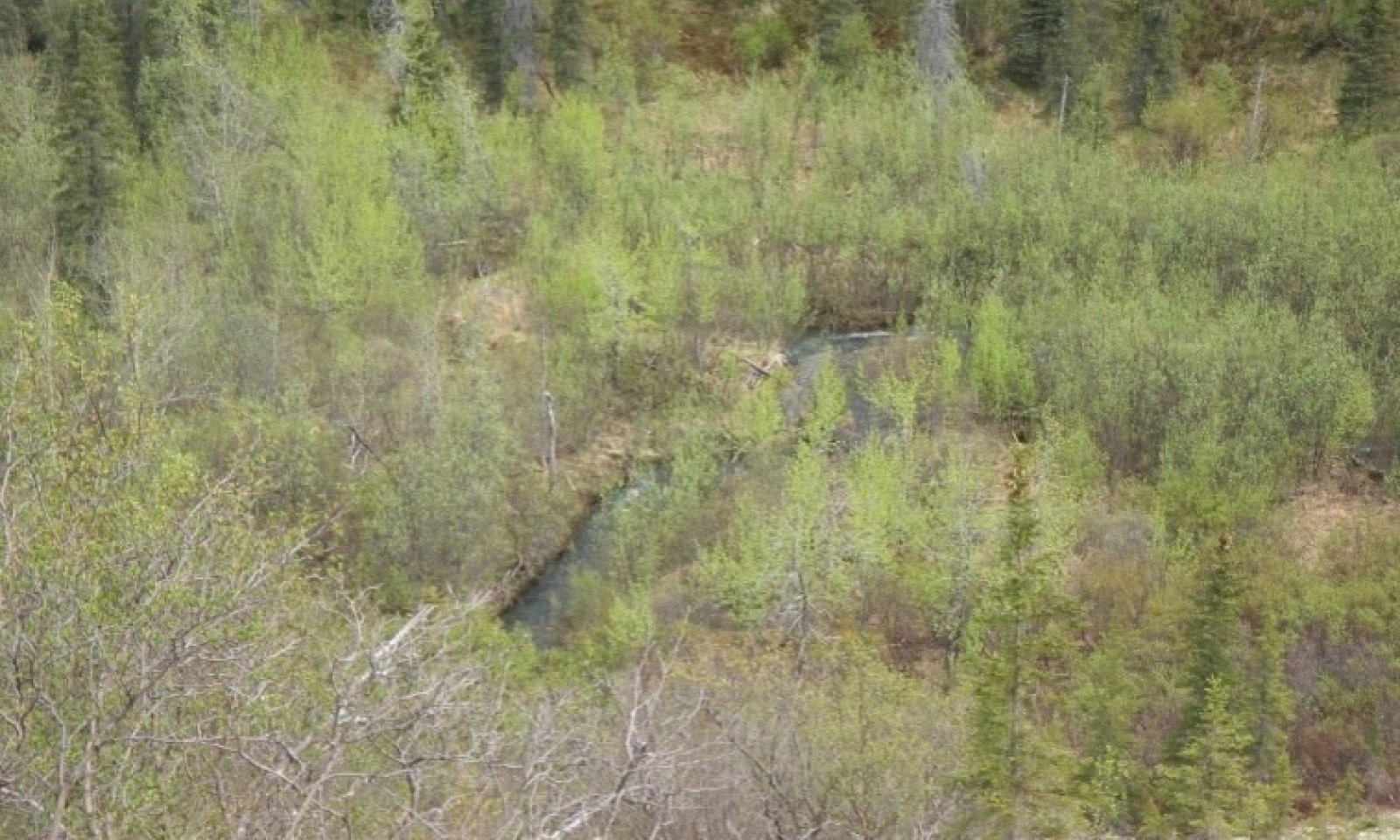
Alpine Scrub Flood Plain Complex


Scenario model
Current ecosystem state
Select a state
Management practices/drivers
Select a transition or restoration pathway
-
Transition T1A
Beaver dam construction
More details -
Restoration pathway R2A
Beaver dam removal
More details -
No transition or restoration pathway between the selected states has been described
Target ecosystem state
Select a state

Description
The reference state describes two distinct vegetative communities grouped by the structure and dominance of the vegetation (e.g., shrubs, forbs, and graminoids) and their ecological function and stability on the flood plain complex. Flooding energy appears to be the major factor influencing vegetation, though other factors may be of concern.
This reference state is developed and characterized using available vegetation models, including Landfire BpS and the Alaska vegetation classification system (Landfire, 2009; Viereck et al., 1992).
Submodel
Description
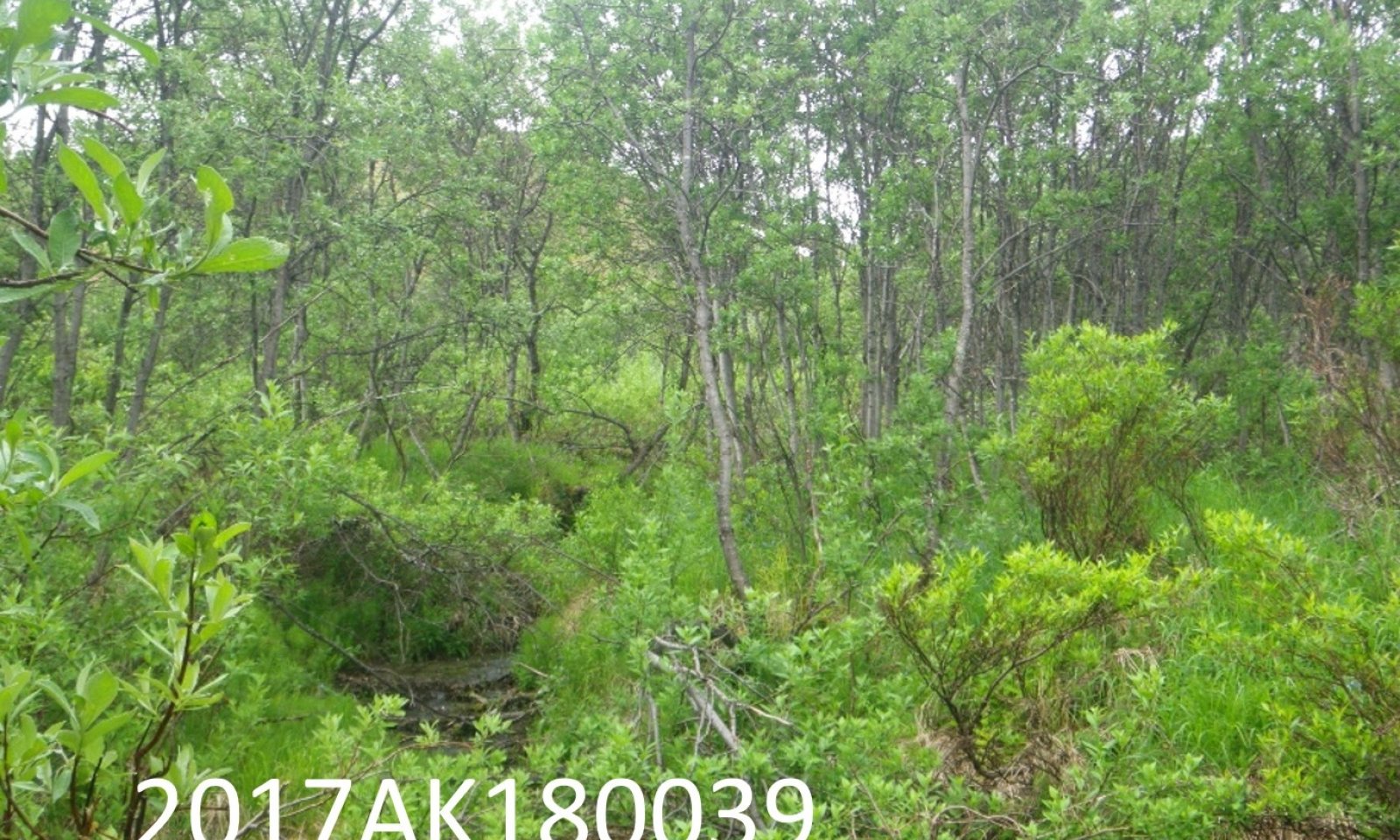
This state is associated with areas affected by beaver ponds. Vegetation reflects changes to the local ponding and flooding disturbances of the reference state. Many of the plants present in the reference state can be found here. Differences in plant height or productivity may be noticeable. More obligate wetland species may be present due to persistent ponding upstream of the dam.
Submodel
Mechanism
Beaver dams alter site hydrology. Changes to the ponding and flooding regime are reflected in the soil and vegetation.
Mechanism
The removal of a beaver dam may require human intervention, even without the continued presence of beaver. Removing a dam will alter the local hydrology, but the mechanisms by which the community can or will return to the reference state are not understood in this ecological site.
Model keys
Briefcase
Add ecological sites and Major Land Resource Areas to your briefcase by clicking on the briefcase ( ) icon wherever it occurs. Drag and drop items to reorder. Cookies are used to store briefcase items between browsing sessions. Because of this, the number of items that can be added to your briefcase is limited, and briefcase items added on one device and browser cannot be accessed from another device or browser. Users who do not wish to place cookies on their devices should not use the briefcase tool. Briefcase cookies serve no other purpose than described here and are deleted whenever browsing history is cleared.
Ecological sites
Major Land Resource Areas


The Ecosystem Dynamics Interpretive Tool is an information system framework developed by the USDA-ARS Jornada Experimental Range, USDA Natural Resources Conservation Service, and New Mexico State University.